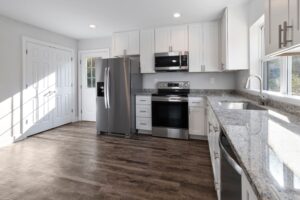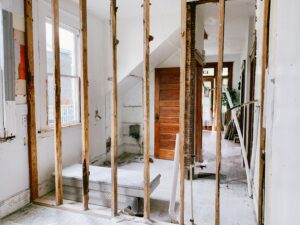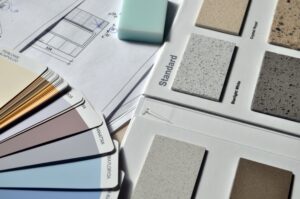
Signing a lease is the easy part. Turning a bare or outdated space into an office, clinic, studio or storefront that’s ready for customers is where budgets and schedules are won or lost. If you’re planning a commercial build-out or tenant improvement in Ann Arbor, Saline or Ypsilanti, here’s what drives the cost and timeline, and how to keep both under control.
Build-Out vs. Tenant Improvement: What’s the Difference?
The terms overlap, and people use them loosely:
- A commercial build-out usually means finishing a space from shell condition: framing walls, hanging drywall, installing ceilings, and bringing in power, plumbing and HVAC distribution.
- A tenant improvement (TI) usually means changing an existing, second-generation space to fit a new tenant: moving walls, updating finishes, adding offices or restrooms, or meeting new code requirements.
Either way, the work is spelled out in your lease. Look for the work letter or TI allowance section, which says what the landlord pays for, what you pay for, and who manages construction.
What Drives Commercial Build-Out Cost
There’s no honest per-square-foot number that fits every space. These are the factors that move the price most:
1. Starting Condition
A true shell space needs everything. A second-generation office with a usable ceiling grid, restrooms and HVAC can often be reworked for much less.
2. Scope of Partitions
Every new wall means metal stud framing, drywall, finishing, paint, and often a door, frame and hardware. More private offices and exam rooms mean more cost than an open layout.
3. Ceilings
Suspended acoustical ceilings are usually the most economical choice for offices and clinics. Open or exposed ceilings can look great, but they often need more spending on painting, ductwork and lighting.
4. Mechanical, Electrical and Plumbing (MEP)
Moving or adding restrooms, sinks, HVAC zones or dedicated circuits is often the biggest variable in a TI budget. Your architect’s MEP drawings drive this number.
5. Code and Accessibility Upgrades
A change of use or higher occupancy can trigger upgrades: accessible restrooms, egress, fire separation, or fire alarm work. Find out early, before you sign, whether your plans will trigger them.
6. Finishes
Flooring, millwork, glass and specialty finishes vary a lot in cost. Your designer’s finish schedule sets this range.
7. Schedule and Access
After-hours work, occupied buildings and tight opening dates all affect labor cost. A realistic schedule saves money.
How to Keep Your Project on Budget
- Bring a contractor in early. A general contractor can price your architect’s drawings before you finalize the lease, so the TI allowance matches the real scope.
- Finish the drawings before construction. Changes made mid-construction cost the most.
- Know what the landlord requires. Insurance, approved trades, work hours and building standards should all be in the proposal from day one.
- Plan permits into the timeline. Plan review and inspections take time. Build them into your move-in date.
- Ask for a line-item proposal. You should be able to see what’s included, what’s excluded, and what’s an allowance.
Choosing a Contractor for Your Ann Arbor Build-Out
Look for a licensed, insured general contractor who builds commercial interiors and manages licensed trades, permits and inspections. Ask how they’ll communicate during the job and who your day-to-day project manager will be.
At Michigan Rose Construction, we’re a licensed general contractor based in Saline. We build commercial interiors throughout Washtenaw County, including metal stud framing, drywall, acoustical ceilings, finishes, and code upgrades. We don’t do in-house design. We build what your architect or designer draws, with clear proposals and one point of contact from permit to final inspection. Recently, we helped Saline Main Street finish bringing The 109 Cultural Exchange up to code so the space could increase its occupancy.
Planning a build-out or tenant improvement? See our commercial build-out services, call (734) 307-2019, or request a consultation and we’ll walk the space with you.