Planning a Home Addition in Washtenaw County: What to Know Before You Build
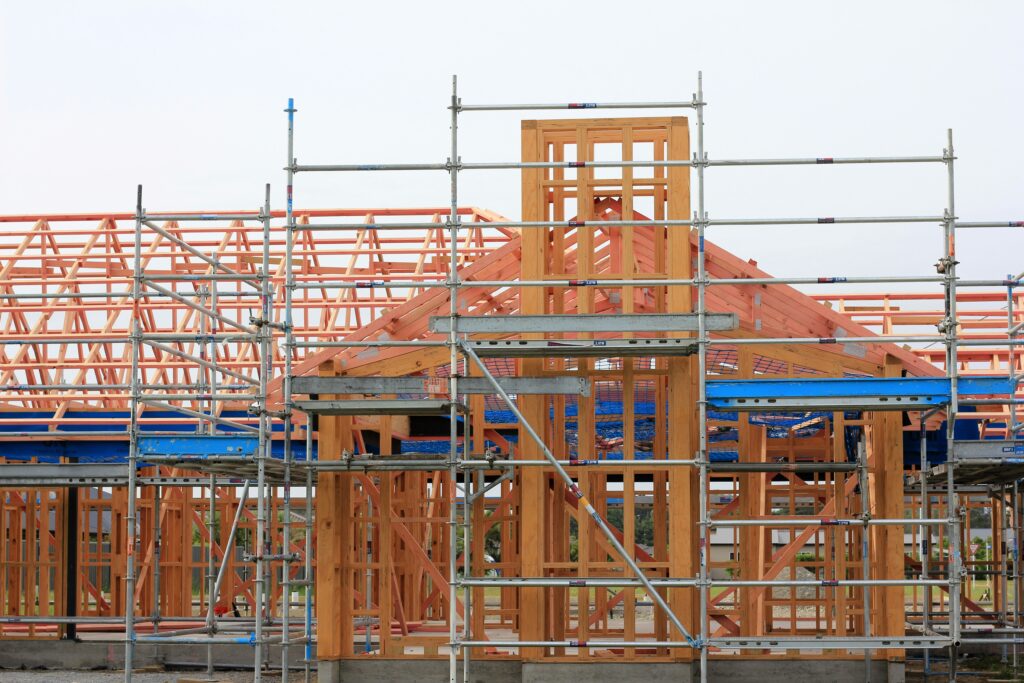
By Sean Kurtz, Founder — Michigan Rose Construction | LARA Licensed Residential Builder #262300264 If you are outgrowing your current floor plan, a home addition can give you the extra space you need without the disruption of moving. But adding onto a house is a construction project, not a quick fix, and it comes with its own planning, permitting, and design steps. Here is what Washtenaw County homeowners should know before breaking ground. Key Takeaways A home addition adds new square footage, while a remodel reworks existing space. Cost depends on scope, foundation needs, and finish level, so ask for a project-specific estimate rather than relying on a general figure. Permits are required for most additions in Washtenaw County, and your builder should be licensed to handle that process for you. Design and planning happen before construction starts, and this stage is worth doing carefully. Choose a builder with local permit experience, proper licensing, and a labor warranty. What Counts as a Home Addition? A home addition is any project that adds new, usable square footage to your existing home. This is different from a remodel, which reworks space you already have. Common types include a new bedroom or family room, a second-story build, an in-law suite, or converting a garage into livable space. Each type comes with its own structural and design considerations, but all of them start the same way: with a clear plan for how the new space will connect to your existing home. Planning a Home Addition? Start with the Right Team Whether you’re adding a family room, expanding your kitchen, or building a second-story addition, Michigan Rose Construction is here to guide you through every step—from planning and permits to expert craftsmanship and final completion. Click Here What Affects the Cost of a Home Addition Every addition is priced differently based on scope, so there is no single figure that applies to every project. A few factors that shape the overall investment include the size of the addition, whether it requires new foundation work, how much plumbing or electrical needs to extend into the new space, and the finish level you choose for flooring, cabinetry, and fixtures. Working with an experienced local contractor early in the process helps you understand which of these factors apply to your specific project before you commit to a design. Permits and Approvals in Washtenaw County Home additions almost always require permits, unlike smaller cosmetic updates. Washtenaw County and its municipalities review additions for zoning setbacks, structural requirements, and code compliance before construction can begin. Skipping this step, or working with a builder who is not licensed to pull permits, can delay your project or create problems when you sell your home later. Michigan Rose Construction is licensed through LARA as a Residential Builder and handles the permit process on behalf of homeowners, so you are not left navigating local building departments on your own. Design and Planning: What Happens Before Construction Starts A home addition typically moves through three phases before any framing begins. First, a consultation where the builder walks the property and talks through your goals for the space, how it will connect to your existing floor plan, and how it fits the rest of your lot. Second, a design phase where materials, layout, and finishes are selected together with the homeowner. Third, a final review of the plan before construction starts, so there are no surprises once crews are on site. This planning stage is where most of the important decisions get made, and it is worth taking the time to get it right, since changes are far more disruptive once building is underway. See examples of completed projects in our portfolio. Choosing a Builder for Your Addition Not every contractor who handles remodels is equipped to manage a full addition, since additions involve structural work, permitting, and coordination across multiple trades. When evaluating builders, look for a Michigan licensed residential builder with insurance, a track record of local permit approvals, and a warranty on labor and craftsmanship. Local experience matters too. A builder who already knows Washtenaw County’s permit offices and frost line requirements can move your project along faster than one who does not. Ready to Explore a Home Addition? If you are considering a home addition in Ann Arbor, Saline, Ypsilanti, Canton, Plymouth, or elsewhere in Washtenaw County, Michigan Rose Construction can walk you through the process from first consultation to final walkthrough. Request a free consultation today to talk through your project and get a plan built around your home. Planning a Home Addition? Start with the Right Team A successful home addition begins with careful planning. Our experienced team will guide you through design ideas, budgeting, permits, and construction to ensure your project is completed with confidence. Click Here Michigan Rose Construction has spent 15+ years helping homeowners throughout Washtenaw County, Ann Arbor, Saline, and Ypsilanti transform their backyards into beautiful, functional outdoor living spaces. As a fully licensed (License #2601230264), bonded, and insured residential builder, we deliver custom paver patio installations designed to enhance your home’s beauty, value, and long-term durability. Contact us today: License #: 26230264 Issued by: LARA License Type: Residential Builder Co. – Fully licensed, bonded, and insured Proudly serving Ann Arbor, Michigan, and surrounding communities with premium basement remodeling services since 2010. Our service area includes all of Friendly Neighborhoods in Michigan state. Note: All cost ranges are estimates and may vary based on specific project requirements, location, and market conditions. Contact MichRose Construction for a detailed quote for your specific needs. Michigan Rose Construction serves homeowners across Metro Detroit, Ann Arbor, Grand Rapids, Traverse City, and throughout Michigan with expert deck construction and maintenance services tailored to our unique climate challenges. NameEmailPhoneAddress*Files & PhotosLead SourceHow did you hear about us?FacebookGoogleInstagramInternet SearchReferralWebsiteYelpYardReachNotesTell us about your project!NotesWhat days and times work for you for an on-site consultation?Submit We do not share any client data with third parties. Your personal information is kept confidential and is not
How Michigan’s Freeze-Thaw Cycle Damages Concrete Driveways
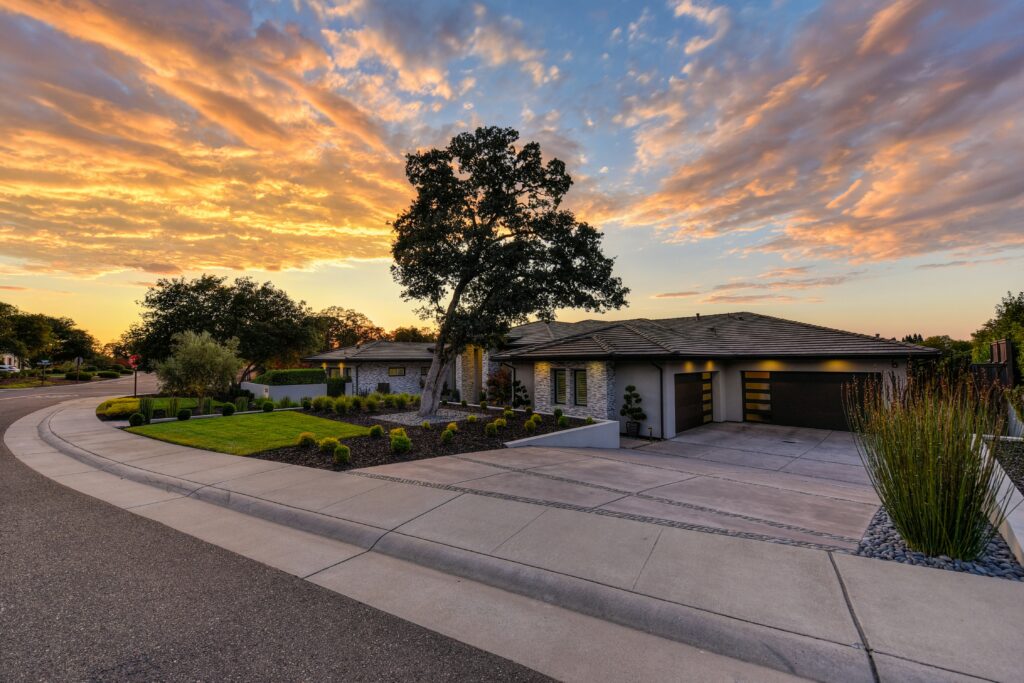
By Sean Kurtz, Founder — Michigan Rose Construction | LARA Licensed Residential Builder #262300264 Michigan homeowners know that winter can be tough on their homes, but one area that often takes the greatest beating is the concrete driveway. While concrete is known for its durability and long lifespan, it is constantly exposed to changing weather conditions throughout the year. As temperatures fluctuate above and below freezing, a process known as the freeze-thaw cycle can gradually weaken even a well-built driveway. What starts as a tiny crack or surface imperfection can quickly become a much larger issue after repeated freezing and thawing. Left untreated, these problems may lead to uneven surfaces, larger cracks, and costly repairs or replacement. Understanding how the freeze-thaw cycle affects concrete can help homeowners recognize early warning signs, protect their investment, and make informed decisions before winter weather causes additional damage. Key Takeaways Michigan’s freeze-thaw cycle causes water inside concrete to freeze, expand, and gradually weaken the surface. Small cracks can quickly become larger structural problems when moisture repeatedly freezes and thaws. Surface scaling, spalling, pitting, and uneven concrete are common signs of freeze-thaw damage. Proper installation, drainage, and routine maintenance help improve the longevity of a concrete driveway. Addressing damage before winter can help prevent additional deterioration during Michigan’s coldest months. What Is the Freeze-Thaw Cycle? The freeze-thaw cycle occurs whenever temperatures repeatedly move above and below 32°F (0°C). This weather pattern is common throughout Michigan, especially during late fall, winter, and early spring. Here’s how the process works: Rain, melting snow, or moisture seeps into tiny pores and hairline cracks within the concrete. When temperatures drop below freezing, the trapped water freezes. As water freezes, it expands, placing pressure on the surrounding concrete. When temperatures rise again, the ice melts, allowing more moisture to enter the newly enlarged spaces. The process repeats dozens of times throughout the season. Each cycle may only cause a small amount of damage, but the effects accumulate over time. Eventually, minor imperfections can develop into noticeable cracks, surface deterioration, and structural problems. Protect Your Driveway Before Winter Causes Costly Damage Michigan’s freeze-thaw cycle can turn small driveway cracks into major structural problems. Schedule a professional inspection or concrete replacement before winter weather leads to expensive repairs. Click Here Why Michigan’s Climate Is Especially Tough on Concrete Driveways Michigan experiences frequent temperature swings throughout the colder months. A sunny afternoon may temporarily melt snow and ice, while overnight temperatures quickly fall below freezing again. These repeated fluctuations create ideal conditions for freeze-thaw damage. Additional environmental factors that increase the risk include: Heavy snowfall followed by melting periods Frequent rain during late fall High moisture levels in the soil Snow accumulation along driveway edges Ice formation from poor drainage Because driveways are constantly exposed to vehicle traffic, moisture, and changing temperatures, they are among the first exterior surfaces to show signs of seasonal wear. How Freeze-Thaw Cycles Damage Concrete Driveways Understanding what happens beneath the surface helps explain why small driveway problems should never be ignored. Water Finds Its Way Into Small Openings Concrete may appear solid, but it naturally contains microscopic pores. Over time, normal wear, settling, and seasonal movement can also create tiny cracks that are often difficult to notice. Rainwater, melting snow, and moisture seep into these openings every time the driveway becomes wet. Although these cracks may seem harmless at first, they create the perfect conditions for freeze-thaw damage once colder temperatures arrive. Frozen Water Creates Internal Pressure When temperatures fall below freezing, trapped water turns to ice and expands. Because concrete cannot easily stretch to accommodate this expansion, pressure builds from inside the slab. Each freeze-thaw cycle pushes outward against the concrete, gradually weakening its internal structure. Even professionally installed concrete can experience stress over many years if moisture repeatedly penetrates the surface. Small Cracks Become Larger Cracks Hairline cracks rarely stay the same size forever. As freeze-thaw cycles continue, existing cracks slowly widen, allowing even more water to enter the concrete. This ongoing cycle accelerates deterioration and can eventually create visible fractures across the driveway. What might have been a simple repair early on can become a much larger project if left untreated. Surface Damage Begins to Develop As internal pressure increases, the surface of the concrete may begin to break apart. Homeowners often notice: Flaking concrete Small chips Surface scaling Spalling Rough or uneven textures These issues not only affect the appearance of the driveway but may also expose deeper layers of concrete to additional moisture, accelerating future damage. Common Warning Signs of Freeze-Thaw Damage Recognizing early signs of damage allows homeowners to address problems before they become more serious. Watch for these common indicators: Hairline cracks that continue to spread Surface flaking or peeling Pitting or small holes in the concrete Spalling where the top layer breaks away Uneven or sunken sections Standing water after rainfall Chipped edges along expansion joints Areas that become increasingly rough over time While some cosmetic imperfections are expected as concrete ages, widespread cracking or surface deterioration should be evaluated before another Michigan winter arrives. Why Older Concrete Driveways Are More Vulnerable Every concrete driveway naturally experiences wear over time. Years of vehicle traffic, changing temperatures, moisture exposure, and seasonal expansion gradually reduce its ability to resist freeze-thaw damage. Older driveways often have worn protective surfaces and existing cracks that allow water to penetrate more easily. Previous patch repairs, tree root movement, soil settlement, and inadequate drainage can also contribute to faster deterioration. If your driveway has begun showing multiple signs of aging, addressing small issues now can help prevent more extensive damage during future freeze-thaw cycles. How Proper Installation Helps Protect Your Driveway While no concrete driveway is completely immune to Michigan’s harsh winters, proper installation can significantly reduce the effects of freeze-thaw cycles and help maximize its lifespan. A professionally installed driveway is designed to withstand seasonal changes through careful planning and quality workmanship. Important installation factors include: A Properly Prepared Base The foundation beneath the
Why August Is the Best Time to Start Your Home Remodeling Project Before Michigan Winter
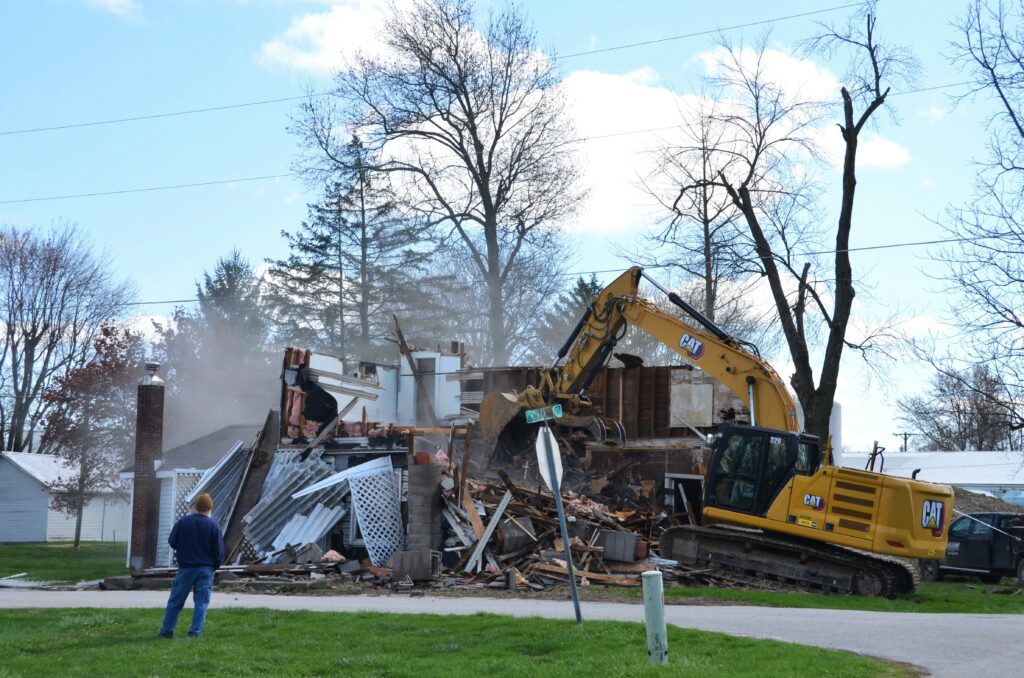
By Sean Kurtz, Founder — Michigan Rose Construction | LARA Licensed Residential Builder #262300264 Summer in Michigan always seems to pass by quickly. Before you know it, cooler mornings, colorful leaves, and the first signs of fall begin to appear. While many homeowners spend the summer enjoying vacations and outdoor activities, August is actually one of the best times to begin a home remodeling project. Whether you’ve been thinking about updating your kitchen, transforming your bathroom, finishing your basement, building a new deck, or replacing an aging concrete driveway, starting your project before winter offers several advantages. Waiting until temperatures drop or snow arrives can lead to scheduling delays and less flexibility for outdoor work. At Michigan Rose Construction, we help homeowners throughout Southeast Michigan improve their homes with quality craftsmanship and personalized remodeling solutions. By planning ahead, you can enjoy your newly renovated space before the holidays while protecting your home from seasonal wear. If you’re considering a remodeling project this year, August provides an excellent opportunity to get started. Key Takeaways August is one of the best times to begin a remodeling project in Michigan. Planning before winter provides more scheduling flexibility. Kitchens, bathrooms, basements, decks, patios, and concrete projects all benefit from starting before colder weather arrives. Completing renovations before the holidays allows homeowners to enjoy their upgraded spaces sooner. Working with an experienced remodeling contractor helps ensure a smooth process from design to completion. Why August Is the Sweet Spot for Home Remodeling in Michigan Michigan’s climate creates a relatively short window for many home improvement projects. While interior renovations can continue year-round, exterior work such as decks, patios, and concrete installations generally benefits from warmer, more predictable weather. Beginning your remodel in August offers several advantages: Comfortable weather for both interior and exterior construction More consistent scheduling before fall demand increases Better conditions for concrete curing Time to complete projects before freezing temperatures arrive Opportunity to enjoy your improvements during the holiday season Many homeowners wait until spring to contact a contractor. By then, remodeling schedules often become much busier. Planning ahead allows you to secure your preferred timeline and avoid unnecessary delays. If you’re still exploring ideas, browse Michigan Rose Construction’s Gallery to see completed remodeling projects and gather inspiration before scheduling your consultation. Plan Your Home Remodeling Project Before Winter Arrives Whether you’re dreaming of a modern kitchen, luxurious bathroom, finished basement, custom deck, or beautiful outdoor living space, now is the ideal time to get started. Michigan Rose Construction delivers quality craftsmanship and personalized remodeling solutions designed to help you enjoy your home before Michigan’s winter weather arrives. Click Here Remodel Now and Enjoy Your Home This Fall and Winter One of the biggest benefits of starting in August is being able to enjoy your investment sooner. Instead of living through another winter wishing you had updated your home, you can spend the colder months enjoying improved comfort, functionality, and style. Whether you’re hosting Thanksgiving dinner, welcoming family during the holidays, or simply spending more time indoors, a completed remodeling project makes everyday living more enjoyable. Imagine: Cooking in a modern kitchen with improved storage and workspace Relaxing in a beautifully renovated bathroom Watching movies in a finished basement with family Entertaining guests on a newly built deck before the weather cools Pulling into a smooth, attractive concrete driveway every day Planning now allows you to enjoy these improvements instead of postponing them until next year. Kitchen Remodeling Before Winter Makes Everyday Living Better The kitchen is one of the most frequently used spaces in any home. As the weather becomes colder, families naturally spend more time indoors preparing meals, baking, and gathering together. Remodeling your kitchen before winter allows you to experience those moments in a space designed around your lifestyle. Popular kitchen improvements include: Updated cabinetry Larger kitchen islands Quartz or granite countertops Modern lighting Improved layouts Additional pantry storage A thoughtfully designed kitchen doesn’t just improve appearance—it also makes cooking, entertaining, and daily routines more enjoyable. Upgrade Your Bathroom Before Cold Weather Arrives Bathrooms should provide both comfort and functionality. If your bathroom feels outdated or lacks storage, August is a great time to begin renovations before winter weather arrives. Many homeowners choose to include: Walk-in showers Double vanities Custom tile Improved lighting Better ventilation Modern fixtures Completing these updates before winter means enjoying a more relaxing and efficient space throughout the colder months. Finish Your Basement Before You’re Spending More Time Indoors Michigan winters naturally encourage families to spend more time inside. An unfinished basement represents valuable living space that often goes unused. Transforming your basement can create: Home theater Children’s playroom Guest suite Home office Fitness room Entertainment area A professionally finished basement also improves the overall functionality of your home while making better use of existing square footage. Starting in August gives contractors time to complete the project before winter weather encourages everyone indoors. August Is Ideal for Decks, Patios, and Outdoor Living Spaces Outdoor living has become increasingly popular among Michigan homeowners. Although summer may be winding down, beginning your project in August allows you to enjoy your new outdoor space during pleasant fall weather. Popular outdoor improvements include: Composite decks Wood decks Covered patios Pergolas Outdoor kitchens Fire pit seating areas Even after summer ends, Michigan homeowners often enjoy spending time outdoors during September and October. Completing your outdoor living project now also means you’ll be ready for next spring without having to wait through another construction season. Concrete Projects Benefit From Favorable Late-Summer Conditions Concrete performs best when installed under suitable weather conditions. Late summer temperatures generally provide favorable conditions for projects such as: Driveways Sidewalks Patios Garage floors Front entrances Completing concrete work before winter helps reduce the risk of weather-related scheduling interruptions and allows the material to cure under more predictable conditions. If you’ve noticed cracks, uneven surfaces, or aging concrete around your property, August is an excellent time to plan repairs or replacement before freezing temperatures become more common.
How Long Does a Paver Patio Really Last? Maintenance & Repair Guide for Michigan Homes
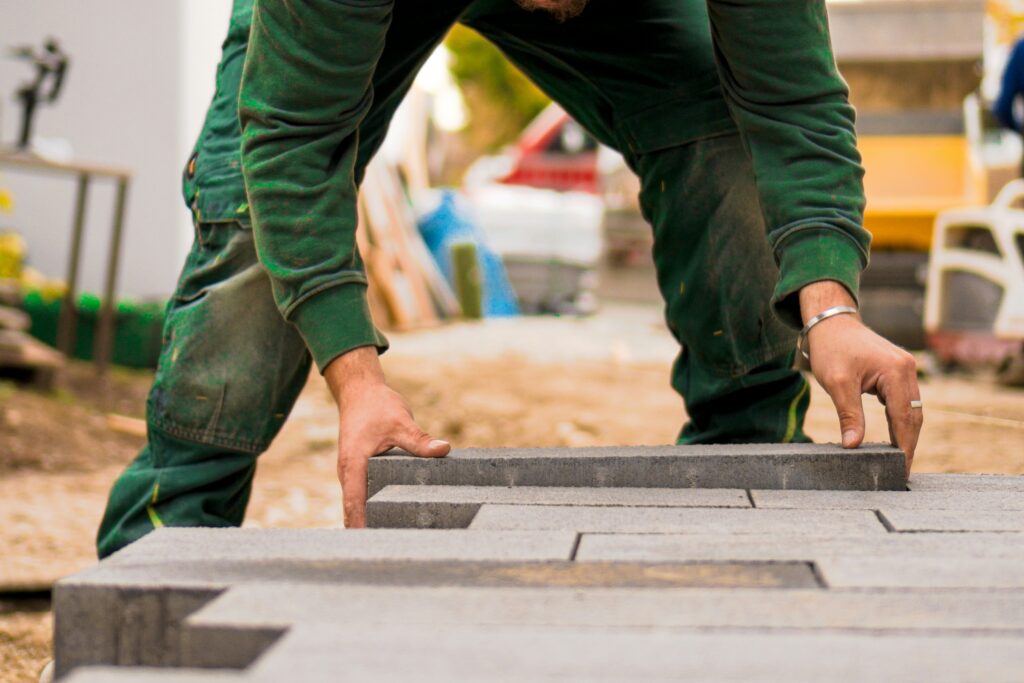
By Sean Kurtz, Founder — Michigan Rose Construction | LARA Licensed Residential Builder #262300264 “Will my paver patio still look good in ten years?” It’s the question almost every homeowner asks after writing a check for a new patio, and it’s a fair one. Pavers are a serious investment, and nobody wants to watch that investment sink, shift, or stain within a few seasons. The good news: a properly installed paver patio can easily outlast the deck next to it, often by decades. The catch is that “properly installed” and “properly maintained” both matter, especially in Michigan, where freeze-thaw cycles put more stress on hardscaping than almost anywhere else in the country. Here’s what actually affects how long your patio lasts, what routine maintenance looks like, and how to tell a cosmetic issue from a real problem. Key Takeaways A properly installed paver patio lasts 25 to 30+ years in Michigan, but freeze-thaw cycles can cause shifting or sinking without regular maintenance Re-sanding joints every 2 to 3 years and resealing every 3 to 5 years prevents most common paver problems Sunken or heaving pavers are almost always a base issue, not a paver issue, and can usually be repaired without full replacement Efflorescence (white staining) is cosmetic and normal in year one, not a sign of failure DIY re-leveling works for small areas, but base repair and drainage issues need a professional How Long Do Paver Patios Actually Last in Michigan? With proper installation and a well-compacted base, a paver patio in Michigan typically lasts 25 to 30 years or more, and individual pavers themselves can last even longer since they’re solid concrete or natural stone. What actually limits lifespan isn’t the pavers, it’s the base underneath them. Michigan’s freeze-thaw cycles push and pull at soil and base material all winter long, and a base that wasn’t compacted correctly or doesn’t have proper drainage will move over time no matter how good the pavers on top are. That’s why a properly installed paver patio, one with a compacted gravel base, correct slope for drainage, and edge restraints to keep everything locked in place, holds up so much better than one that was rushed. If your patio was installed correctly to begin with, the maintenance below is what keeps it looking that way for decades instead of years. Planning a New Paver Patio This Fall? Whether you’re envisioning a cozy backyard retreat, a spacious entertainment area, or a custom outdoor living space, Michigan Rose Construction designs and installs beautiful, long-lasting paver patios that are built to handle Michigan’s changing seasons. Let our team help you create the perfect patio before winter arrives. Click Here The Maintenance Schedule That Actually Prevents Problems Paver patios don’t need much upkeep, but the little bit they do need makes a real difference in Michigan’s climate. Sweep the patio regularly to keep debris out of the joints, and pull weeds as soon as you see them so roots don’t work their way under the pavers. Every 2 to 3 years, top off the joint sand between pavers. Polymeric sand is worth the extra cost here specifically because of our climate: it hardens in place and resists washing out during Michigan’s heavy spring rains, which keeps water from getting underneath the pavers and freezing. Every 3 to 5 years, reseal the surface. Sealing does two things: it protects the pavers from staining and it helps lock the joint sand in place through freeze-thaw cycles, which is the single biggest factor in how long a Michigan patio holds its shape. Skipping resealing doesn’t ruin a patio overnight, but it’s the maintenance step most homeowners skip, and it’s usually the reason a patio that should have lasted 25 years starts showing problems at year ten instead. Common Paver Problems and What’s Actually Causing Them Sinking or settling is the most common complaint, and it’s almost always a base issue rather than a paver issue. Water pools in one low spot, erodes the base material underneath over repeated freeze-thaw cycles, and the pavers above it settle into the gap. Heaving, where pavers push upward instead of down, is the opposite problem: water gets trapped in the base, freezes, expands, and lifts the pavers with it, a process called frost jacking that’s common in areas without proper drainage. Weeds growing between joints usually mean the joint sand has washed out or was never compacted properly to begin with, leaving gaps for seeds to take root. Efflorescence, the white, chalky staining that sometimes appears on new pavers, alarms a lot of homeowners, but it’s completely normal. It’s mineral deposits rising to the surface as the concrete cures, and it typically fades within the first year with regular rain and light cleaning. Moss and algae show up in shaded, damp areas of the patio, usually where drainage is slow to dry the surface, and while they’re mostly cosmetic, a slick mossy patio can also become a slip hazard. Knowing which of these is a real structural problem and which is just normal weathering saves a lot of homeowners from either panicking over something cosmetic or ignoring something that actually needs attention. DIY Fixes vs. When to Call a Professional Some paver issues are genuinely DIY-friendly. Re-sanding joints, pulling weeds, cleaning off moss or efflorescence, and even lifting and resetting a handful of individual pavers in a small sunken area are all reasonable weekend projects for a homeowner comfortable with basic outdoor work. Where it gets more complicated is anything involving the base underneath the pavers. If a section keeps sinking after you’ve releveled it, or if the problem covers more than a few square feet, that’s a sign the base material itself has eroded or was never compacted correctly, and topping it off won’t fix it long term. Drainage issues, standing water on or near the patio, and widespread heaving are also base-level problems that need to be excavated and rebuilt properly rather than patched. This is where professional paver repair
Why Fall Is the Best Time for Concrete Driveway Installation in Michigan
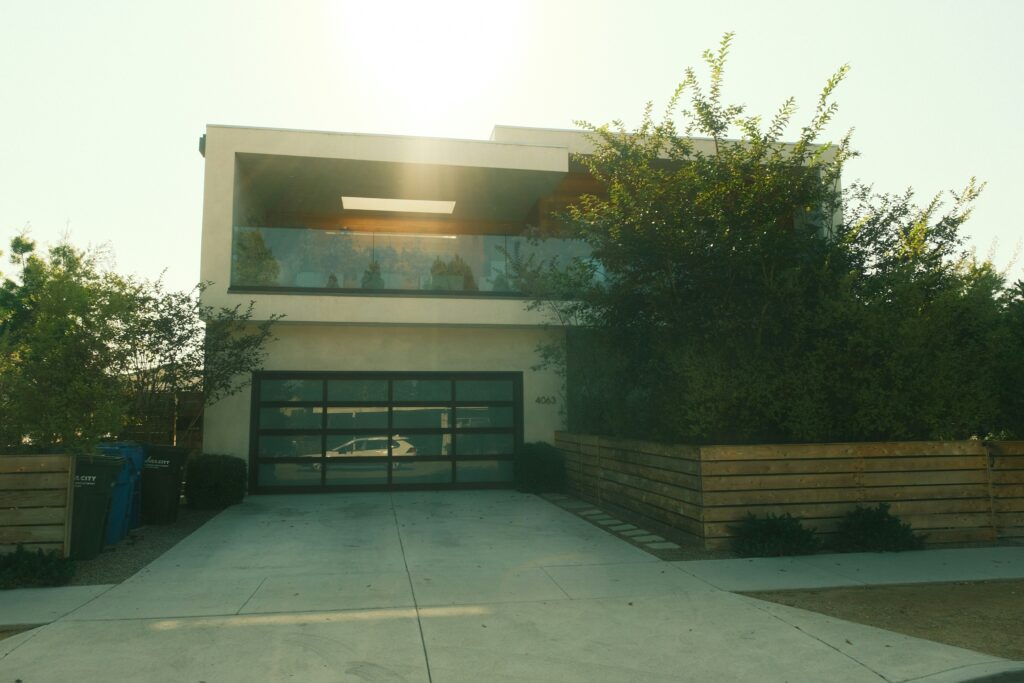
By Sean Kurtz, Founder — Michigan Rose Construction | LARA Licensed Residential Builder #262300264 Many homeowners assume spring or summer is the ideal season for home improvement projects, but when it comes to concrete driveway installation in Michigan, fall is often the better choice. Cooler temperatures, stable weather conditions, and the opportunity to prepare your property before winter make autumn one of the best times to invest in a new driveway. Michigan’s changing climate can be demanding on concrete surfaces. Installing a driveway before freezing temperatures arrive gives the concrete time to cure properly while helping homeowners avoid further damage to aging driveways during winter. If your current driveway has cracks, uneven sections, or drainage issues, replacing it in the fall can improve both safety and curb appeal before snow and ice become a concern. Key Takeaways Fall provides ideal temperatures for concrete driveway installation. Proper curing before winter improves long-term durability. Replacing damaged driveways before freeze-thaw season helps prevent worsening deterioration. A professionally installed driveway improves safety, curb appeal, and drainage. Planning your project early can help avoid seasonal weather delays. Why Fall Offers Ideal Conditions for Concrete Driveway Installation Moderate Temperatures Promote Proper Curing Concrete doesn’t simply dry it cures through a chemical process that requires the right combination of moisture and temperature. During fall, Michigan typically experiences cooler daytime temperatures that allow concrete to cure more evenly than during the hottest months of summer. Extreme heat can cause moisture to evaporate too quickly, while freezing temperatures can interfere with the curing process. Fall often provides the balanced conditions needed to produce a durable and long-lasting concrete driveway. Planning Home Improvements This Fall? Whether you’re thinking about a new deck, a finished basement, or upgrading your outdoor living space, Michigan Rose Construction can help you prepare your home before Michigan’s winter weather arrives. Click Here Reduced Weather-Related Stress Summer heat can make concrete finishing more challenging, while winter weather can delay outdoor construction altogether. Fall usually brings milder conditions that help contractors complete projects more efficiently without excessive heat or early snow affecting the schedule. For homeowners, this means a smoother installation process and a driveway that has time to strengthen before winter arrives. Why Michigan Winters Are Tough on Concrete Michigan experiences repeated freeze-thaw cycles throughout the colder months. Water enters small cracks or porous areas of concrete, freezes as temperatures drop, expands, and places pressure on the surface. Over time, this process can lead to larger cracks, scaling, and surface deterioration. While freeze-thaw cycles cannot be prevented, professionally installed concrete driveways are designed to better withstand these seasonal conditions. Proper site preparation, quality materials, reinforcement, expansion joints, and effective drainage all contribute to a driveway built for Michigan’s climate. Installing your driveway in the fall allows the concrete to gain strength before winter weather begins putting it to the test. Benefits of Installing Your Driveway Before Winter Prevent Existing Damage from Worsening Small driveway problems rarely stay small. Minor cracks, uneven sections, and surface wear often become more severe after one winter season. Water can seep into damaged areas, freeze, expand, and accelerate deterioration. Replacing a worn driveway before winter helps reduce the risk of additional structural damage. Improve Safety Around Your Home Uneven or deteriorating driveways can create tripping hazards and make snow removal more difficult. A smooth, properly installed concrete driveway provides a safer surface for walking, driving, and clearing snow throughout the winter months. Boost Your Home’s Curb Appeal A new concrete driveway instantly enhances the appearance of your property. Whether you’re planning to stay in your home for years or simply want to improve its exterior, replacing an aging driveway creates a cleaner, more welcoming first impression before the holiday season. Planning a new concrete driveway this fall? Michigan Rose Construction provides professional concrete driveway installation designed for Michigan’s climate. Contact our team today to schedule your free consultation and discuss your project before winter arrives. Click Here Signs It May Be Time to Replace Your Concrete Driveway Not every crack requires replacement, but some warning signs indicate your driveway may have reached the end of its lifespan. Watch for: Large or widening cracks Multiple patched repairs Sunken or uneven concrete sections Standing water after rainfall Surface flaking or scaling Extensive discoloration or wear Tree root damage affecting the slab Poor drainage around the driveway If your driveway shows several of these issues, replacing it before winter can help prevent additional damage and improve long-term performance. What to Expect During a Concrete Driveway Installation Understanding the installation process helps homeowners prepare for the project and know what to expect. Site Evaluation Every successful project begins with evaluating the existing driveway, drainage, soil conditions, and overall property layout. Removal of Existing Concrete If replacing an old driveway, damaged concrete is carefully removed before preparing the area for new construction. Base Preparation A stable foundation is one of the most important parts of any concrete driveway. Proper grading and compacting help support the slab and minimize future movement. Forming and Reinforcement Forms are installed to shape the driveway, while reinforcement is added where needed to improve durability and strength. Concrete Placement and Finishing Fresh concrete is poured, leveled, and finished to create a smooth, attractive surface with proper slope for drainage. Curing After installation, the concrete requires time to cure before supporting regular vehicle traffic. Following your contractor’s recommendations helps ensure the driveway reaches its full strength. Ready to Prepare Your Home for Fall? Whether you need a new deck, a finished basement, a concrete driveway, or a complete kitchen remodel, Michigan Rose Construction is here to help homeowners throughout Ann Arbor, Saline, Ypsilanti, and Washtenaw County. Contact us today to schedule your free consultation and start preparing your home for the seasons ahead. Don’t wait until freezing temperatures make outdoor projects more challenging If you’re considering a new concrete driveway, the fall season offers an excellent opportunity to get the job done before winter weather sets in. Contact Michigan Rose Construction today
Fall Home Improvement Checklist for Michigan Homeowners
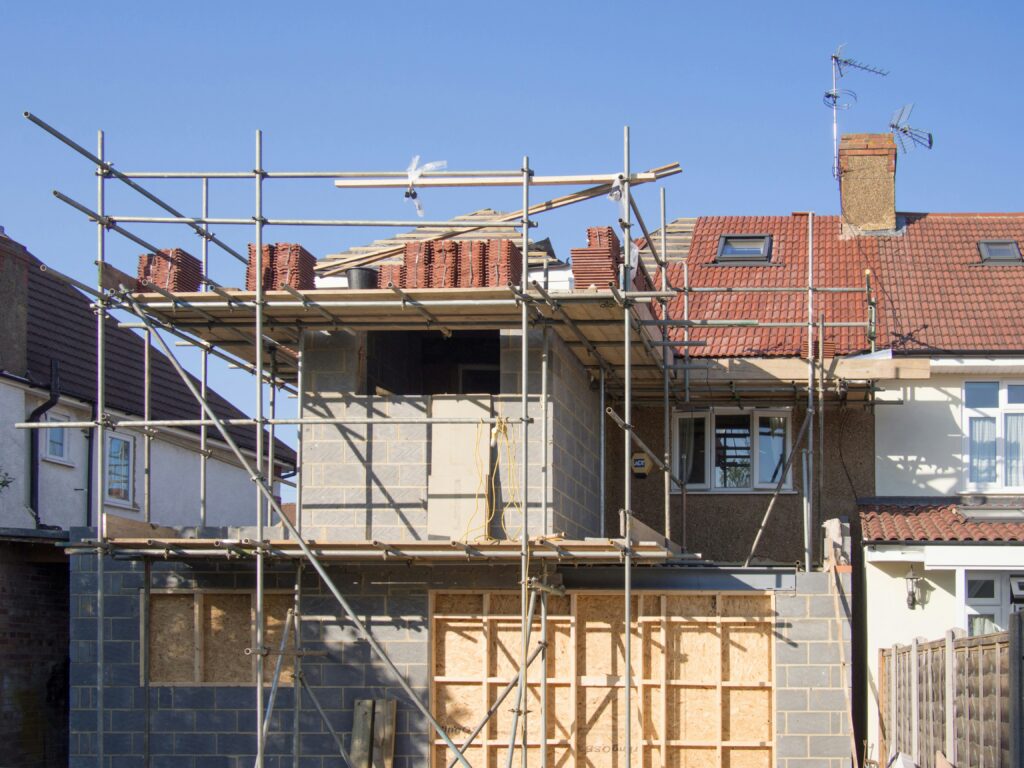
By Sean Kurtz, Founder — Michigan Rose Construction | LARA Licensed Residential Builder #262300264 As summer comes to an end, it’s the perfect time to prepare your home for Michigan’s changing weather. The transition from warm temperatures to freezing conditions can take a toll on your home’s exterior and interior if maintenance is overlooked. By completing a few essential projects during the fall, you can help protect your investment, improve your home’s comfort, and reduce the risk of costly repairs later in the season. Whether you’re planning a major renovation or simply want to stay ahead of seasonal maintenance, this fall home improvement checklist will help Michigan homeowners get ready before winter arrives. Key Takeaways Fall is the ideal season to inspect your home before Michigan’s winter weather arrives. Check decks, concrete, roofs, gutters, windows, and basements for signs of damage. Addressing small repairs early can help prevent more extensive issues later. Fall is also a great time to begin kitchen, bathroom, basement, patio, and deck improvement projects. Preparing your home now helps improve safety, comfort, and long-term durability throughout the winter months. Why Fall Is the Best Time for Home Maintenance in Michigan Michigan experiences dramatic temperature swings, frequent rain, snow, and freeze-thaw cycles. These weather conditions can affect everything from concrete driveways and decks to roofing, foundations, and basements. Completing maintenance before freezing temperatures arrive offers several benefits: Prevents moisture damage Extends the lifespan of outdoor structures Improves home safety Helps identify issues before they become major repairs Keeps your home comfortable throughout winter Taking action in early fall also provides better weather conditions for many remodeling and outdoor construction projects. Planning Home Improvements This Fall? Whether you’re thinking about a new deck, a finished basement, or upgrading your outdoor living space, Michigan Rose Construction can help you prepare your home before Michigan’s winter weather arrives. Click Here 1. Inspect Your Deck for Signs of Wear Summer gatherings can leave your deck with loose boards, damaged railings, or weathered surfaces. Before winter moisture settles in, inspect your deck for: Loose or damaged boards Wobbly railings Rusting fasteners Cracks or splintering wood Fading or peeling stain Addressing small issues now helps prevent further deterioration caused by snow and ice. If your deck has reached the end of its lifespan, fall is still an excellent time to schedule a deck replacement or new deck installation before winter. 2. Examine Your Concrete Surfaces Michigan’s freeze-thaw cycle is one of the biggest causes of concrete damage. Walk around your property and inspect: Driveways Sidewalks Patios Garage floors Steps Look for: Surface cracks Uneven settling Chipping edges Standing water Repairing minor concrete damage before winter helps prevent water from freezing inside cracks and causing larger structural problems. 3. Clean Gutters and Improve Drainage Clogged gutters can overflow during heavy autumn rain and melting snow. Be sure to: Remove leaves Clear downspouts Check for loose sections Make sure water drains away from your foundation Proper drainage helps protect your home’s foundation and reduces the chance of basement moisture problems. 4. Check Your Basement for Moisture Basements are especially vulnerable during Michigan’s wet fall season. Watch for: Damp walls Musty odors Water stains Small foundation cracks Excess humidity These early warning signs may indicate moisture issues that become much worse during winter. If you’re planning to finish your basement, addressing moisture concerns first creates a stronger, longer-lasting renovation. 5. Inspect Windows and Doors Even small air leaks can make your heating system work harder. Inspect around: Window frames Exterior doors Sliding patio doors Garage entry doors Replace worn weatherstripping and seal any noticeable gaps to improve energy efficiency and indoor comfort. Ready to start planning your outdoor living project? Contact Michigan Rose Construction today to schedule a consultation. Click Here 6. Prepare Your Outdoor Living Spaces Outdoor spaces deserve attention before snow covers them for several months. Tasks include: Store patio furniture Clean outdoor kitchens Protect grills Inspect pergolas Remove debris from patios Check retaining walls If you’ve been considering expanding your backyard, fall remains a great season to install patios, pavers, or outdoor living features while the ground is still workable. 7. Inspect Your Roof and Exterior Winter storms can quickly turn small roofing issues into major leaks. Check for: Missing shingles Damaged flashing Clogged roof valleys Loose siding Cracked exterior caulking If anything appears damaged, schedule repairs before snowfall begins. 8. Prepare Your Kitchen for Holiday Gatherings Many Michigan homeowners use the fall months to prepare for Thanksgiving and holiday entertaining. Ask yourself: Is your kitchen layout still functional? Do you need more storage? Are your countertops worn? Is your lighting outdated? If you’ve been considering a kitchen remodel, starting before the holidays allows you to enjoy a more functional space for family gatherings. 9. Refresh Your Bathroom Before Winter Bathrooms experience increased use during the colder months. Inspect: Caulking around tubs Shower grout Ventilation fans Plumbing fixtures If your bathroom feels outdated or lacks storage, fall is an ideal time to begin a remodeling project before the busy holiday season. 10. Schedule Larger Home Improvement Projects Before Winter While many homeowners wait until spring, scheduling projects in the fall often means your home is ready to enjoy once warmer weather returns. Popular fall projects include: New decks Concrete driveways Basement finishing Kitchen remodeling Bathroom remodeling Outdoor patios Completing these improvements before harsh winter weather helps protect your investment while allowing you to enjoy the results sooner. Ready to Prepare Your Home for Fall? Whether you need a new deck, a finished basement, a concrete driveway, or a complete kitchen remodel, Michigan Rose Construction is here to help homeowners throughout Ann Arbor, Saline, Ypsilanti, and Washtenaw County. Contact us today to schedule your free consultation and start preparing your home for the seasons ahead. Ready to Get Your Home Ready for Fall? Whether you’re planning a new deck, concrete driveway, finished basement, kitchen remodel, bathroom renovation, patio, or outdoor living space, Michigan Rose Construction is here to help homeowners throughout Ann Arbor,
Deck Ideas for Michigan Homeowners: Designs, Features & What to Expect
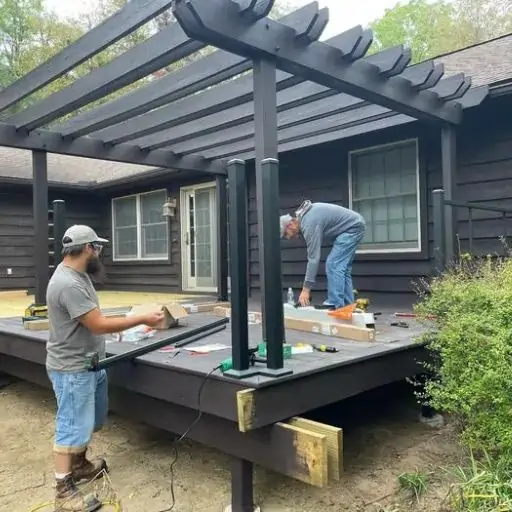
By Sean Kurtz, Founder — Michigan Rose Construction | LARA Licensed Residential Builder #262300264 If you are planning a new deck in Ann Arbor, Saline, Canton, or anywhere across Washtenaw County, you already know the challenge: Michigan weather does not forgive bad decisions. Materials that look great in a showroom can crack, warp, or rot within a few seasons if they are not rated for our freeze-thaw cycles, clay-heavy soil, and everything in between. This guide pulls together the most important deck design decisions deck installation process Michigan homeowners face layout, size, features, lighting, and upgrades and explains them from the perspective of a contractor who builds decks here every season. If you want to skip ahead and talk through your specific project, call us at (734) 307-2019 or request a free estimate. Key Takeaways Michigan’s climate includes snow, rain, wind, and temperature fluctuations that impact outdoor structures. Covered decks provide superior protection from weather and offer greater year-round usability. Pergolas deliver aesthetic appeal and partial shade but limited protection from rain and snow. Covered decks generally require less weather-related maintenance due to roof protection. Homeowners seeking long-term functionality often prefer covered decks for Michigan weather. Hybrid outdoor structures can combine the style of a pergola with enhanced weather protection. Ready to start planning your outdoor living project? Contact Michigan Rose Construction today to schedule a consultation. Click Here Part 1: Choosing the Right Deck Layout for Your Michigan Yard The first decision is not which wood to use or what color railing to pick. It is figuring out what type of deck your yard actually calls for. Get this wrong and no amount of premium materials will fix it. Michigan yards come in all shapes, but the most common challenges we see are small lots in Ann Arbor neighborhoods, sloped backyards in Canton and Saline, and wide-open but flat yards in Ypsilanti that need definition. Each of these calls for a different approach. Platform Decks: Best for Flat Yards and Tight Budgets A ground-level platform deck is the most straightforward build we do. It sits close to the soil, does not require complex framing, and works well on flat or gently sloped terrain. If your yard is flat and you want a clean outdoor gathering space without a large investment, a platform deck is usually the right starting point. Raised Decks: Best for Two-Story Homes and Elevated Access Raised decks attach to the home at an elevated entry point, typically off a kitchen door or second-floor walkout. They require stairs, railings, and proper ledger attachment to the home’s structure. In Michigan, the ledger connection is especially important because freeze-thaw cycles work against improperly flashed connections, letting moisture in behind the ledger board and causing rot. We see a lot of this on decks that were DIY’d or built by contractors who do not understand Michigan’s climate. Wraparound Decks: Best for Corner Lots and Maximizing Access Wraparound decks extend around two or more sides of the home, creating multiple access points and distinct zones for different activities. They work especially well on corner lots in Ann Arbor where side-yard access is a priority. The tradeoff is cost wrapping the deck increases linear footage of railing, stairs, and framing. Part 2: Small Backyard Deck Ideas That Actually Work One of the most common questions we get from Ann Arbor homeowners is how to make a small backyard feel useful. Older Ann Arbor neighborhoods in particular have tight lots, and homeowners often assume they do not have enough space for a real deck. In most cases that is not true. A compact, intentional deck often outperforms a large one. Smaller footprints require less material, less maintenance, and force smarter design decisions. Here is what actually works in tight Michigan yards free consultation Design Tricks That Make Small Decks Feel Larger Diagonal decking boards create depth and draw the eye outward, making the footprint feel bigger than it is Light stain tones gray, whitewash, or natural blonde reflect sunlight and open the space up. Dark stains shrink it Cable and glass railings preserve sightlines instead of blocking them. If local code allows it, a grade-level deck with no railing at all opens the space dramatically L-shaped decks that wrap around a corner feel more expansive than a simple square platform Built-in perimeter seating frees up the center of the deck, which is the most valuable open space on a small build Best Small Deck Layouts for Ann Arbor Lots A floating ground-level deck is our most recommended option for compact Ann Arbor yards. It installs quickly, does not require deep footings in most configurations, and can be positioned to capture the best sun exposure on the lot. A 10×12 or 12×16 floating deck gives enough room for a table, chairs, and a small grill without overwhelming the yard. For side-yard lots where width is limited but length is available, a wraparound design that runs along two sides of the home creates natural flow and makes the most of a narrow footprint. Adding planter boxes to the railing keeps greenery off the floor, which preserves usable deck surface. Sean’s Take “The biggest mistake I see on small deck projects is homeowners trying to fit too much onto the deck itself. If the furniture overwhelms the floor, the deck feels small no matter how well it was built. Scale furniture to the footprint and keep the center open.” Part 3: Multi-Level Deck Designs for Sloped Michigan Backyards A sloped backyard is not a problem. It is a design opportunity. Michigan’s rolling terrain especially in Canton, Saline, and the western Ann Arbor suburbs creates the ideal conditions for multi-level deck construction. When you build with the slope instead of fighting it, the result is more structurally sound and visually more dramatic than any single-level platform could be deck installation services in Ann Arbor. Our clay-heavy soils shift significantly through freeze-thaw cycles. A tiered deck that distributes weight across multiple footings at varying elevations handles ground
Covered Deck vs Pergola: Which Is Better for Michigan Weather?
Michigan homeowners know that outdoor living spaces must withstand more than just sunny summer days. From heavy snowfall and spring rain to humid summers and strong winds, the state’s climate presents unique challenges for outdoor structures. If you’re planning to enhance your backyard, one of the biggest decisions you’ll face is choosing between a covered deck and a pergola. Both options can improve your outdoor living experience, increase functionality, and boost curb appeal. However, when it comes to Michigan weather, the differences between a covered deck and a pergola become much more significant. Understanding how each structure performs throughout the year can help you make the best investment for your home and lifestyle. In this guide, we’ll compare covered decks and pergolas based on weather protection, durability, maintenance, comfort, and long-term value to help Michigan homeowners make an informed decision. Key Takeaways Michigan’s climate includes snow, rain, wind, and temperature fluctuations that impact outdoor structures. Covered decks provide superior protection from weather and offer greater year-round usability. Pergolas deliver aesthetic appeal and partial shade but limited protection from rain and snow. Covered decks generally require less weather-related maintenance due to roof protection. Homeowners seeking long-term functionality often prefer covered decks for Michigan weather. Hybrid outdoor structures can combine the style of a pergola with enhanced weather protection. Understanding Covered Decks and Pergolas Before comparing their performance in Michigan’s climate, it’s important to understand what each structure offers. Ready to start planning your outdoor living project? Contact Michigan Rose Construction today to schedule a consultation. Click Here What Is a Covered Deck? A covered deck is an outdoor deck that includes a permanent roof structure. The roof provides protection from rain, snow, direct sunlight, and other weather conditions. Covered decks can be attached to a home or built as a standalone structure. Many homeowners choose covered decks because they create an outdoor room that feels like an extension of the home. With proper design, a covered deck can be used comfortably throughout much of the year. What Is a Pergola? A pergola is an outdoor structure featuring vertical posts that support an open framework of beams and rafters. Unlike covered decks, pergolas do not typically include a solid roof. Pergolas are popular because they add architectural interest, create partial shade, and define outdoor living areas. They offer an open-air atmosphere that many homeowners enjoy during pleasant weather conditions. Looking for a custom outdoor kitchen and deck design? Contact Michigan Rose Construction to discuss your ideas. Click Here Why Michigan Weather Matters Michigan experiences four distinct seasons, making weather resistance a critical factor when selecting outdoor structures. Heavy Snowfall Many regions of Michigan receive substantial snowfall every winter. Snow accumulation can place significant stress on outdoor structures and impact their longevity. Frequent Rain Spring and fall often bring extended periods of rain. Outdoor spaces that lack adequate protection may become unusable during wet weather. Temperature Fluctuations Michigan’s freeze-thaw cycles can affect construction materials over time. Structures must be designed to handle changing temperatures without premature deterioration. Summer Heat and UV Exposure While Michigan summers are enjoyable, prolonged sun exposure can damage materials and make outdoor areas uncomfortable without proper shade. These weather factors play a major role in determining whether a covered deck or pergola is the better choice. Covered Deck vs Pergola: Weather Protection Comparison Covered Deck: Superior Protection When it comes to weather protection, covered decks have a clear advantage. A permanent roof shields the deck from rain, snow, and harsh sunlight. Homeowners can enjoy outdoor gatherings even during light rain or intense summer heat. Furniture, grills, and outdoor décor also benefit from increased protection. During Michigan winters, a covered deck helps prevent excessive snow accumulation on the deck surface. This can reduce maintenance and make the area more accessible throughout the colder months. Benefits include: Protection from rain and snow Increased shade during summer Reduced exposure to UV rays Better comfort in changing weather conditions Greater year-round usability Pergola: Limited Weather Protection Pergolas provide only partial shade because their roofs consist of open beams rather than solid coverings. While they can offer relief from direct sunlight, they do little to block rain or snowfall. During storms, the outdoor area beneath a pergola remains exposed to the elements. Some homeowners add retractable canopies or climbing plants to improve shade, but these solutions still do not match the protection provided by a covered deck. Benefits include: Partial shade Enhanced airflow Open and airy design Attractive architectural appeal However, protection from Michigan weather remains limited. Year-Round Usability Covered Decks Extend Outdoor Living Seasons One of the biggest advantages of a covered deck is its ability to extend the outdoor living season. Michigan homeowners can enjoy outdoor meals, family gatherings, and relaxation even when weather conditions are less than ideal. Adding features such as lighting, ceiling fans, outdoor heaters, or screens can further increase comfort throughout the year. Covered decks create a more versatile outdoor environment that remains functional during multiple seasons. Pergolas Are Best for Fair Weather Pergolas are most enjoyable during mild spring, summer, and early fall weather. However, their usability decreases significantly during rain, snow, or strong winds. Homeowners who primarily use their backyard during pleasant weather may appreciate a pergola’s open design. However, those seeking maximum functionality often find covered decks more practical. Not sure which layout is right for your backyard? Our design-build team can help create a custom solution tailored to your home. Click Here Durability in Michigan’s Climate Covered Deck Durability Properly designed covered decks are built to handle snow loads, rainfall, and seasonal weather changes. The roof helps protect the deck surface, reducing moisture exposure and minimizing wear over time. By shielding materials from direct weather impacts, covered decks often experience less deterioration than exposed structures. A professionally constructed covered deck can remain durable and attractive for many years with proper maintenance. Pergola Durability Pergolas can withstand Michigan weather when built using quality materials, but their open design leaves them more vulnerable to environmental
Outdoor Kitchens + Deck Combinations for Summer Living
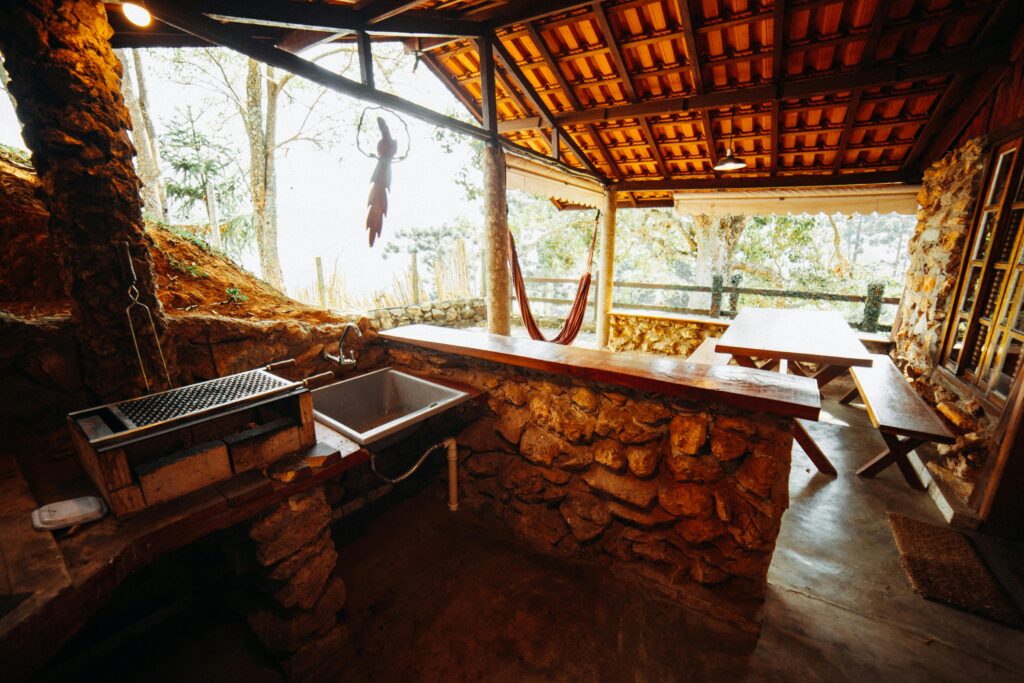
Outdoor living spaces continue to grow in popularity as homeowners look for new ways to enjoy their properties during Michigan’s warmer months. One of the most effective ways to enhance your backyard is by combining a custom outdoor kitchen with a well-designed deck. Together, these features create a complete outdoor living space where you can cook, dine, entertain guests, and relax with family. Whether you’re hosting weekend gatherings or enjoying quiet evenings outdoors, an outdoor kitchen and deck combination can transform your backyard into a functional extension of your home. In this guide, we’ll explore the benefits, design ideas, material options, and planning considerations that can help you create the ideal outdoor living space. Key Takeaways Outdoor kitchens and decks create a complete outdoor living environment. Integrated spaces improve entertaining, dining, and relaxation. Proper planning helps maximize functionality and comfort. Composite decking remains a popular choice due to its durability and low maintenance. Weather protection features help extend outdoor enjoyment. Working with a licensed Michigan contractor helps ensure quality results and code compliance. Why Michigan Homeowners Trust Michigan Rose Construction Michigan Rose Construction is a fully licensed, bonded, and insured Residential Builder Company with over 15 years of experience serving homeowners throughout Michigan. Our team provides: License #26230264 issued by LARA Award-winning design-build services Comprehensive project management Knowledge of Michigan building codes and climate requirements Industry-leading warranty coverage Transparent communication throughout every project From custom decks to complete outdoor living environments, we help homeowners create spaces designed for long-term beauty, functionality, and durability. Ready to start planning your outdoor living project? Contact Michigan Rose Construction today to schedule a consultation. Click Here Why Combine an Outdoor Kitchen with a Deck? Creating a Complete Outdoor Living Space An outdoor kitchen and deck work together to create a seamless transition between indoor and outdoor living. Instead of moving back and forth between your house and backyard, everything you need for entertaining and dining is conveniently located in one space. This setup makes outdoor gatherings more enjoyable while improving the overall functionality of your property. Enhancing Home Value and Lifestyle A thoughtfully designed outdoor living area can improve how you use your home while increasing its appeal. Outdoor kitchens and custom decks provide additional living space that can be enjoyed throughout the year. Maximizing Backyard Space Combining these features allows homeowners to create dedicated zones for cooking, dining, and relaxation while making the most of available square footage. Looking for a custom outdoor kitchen and deck design? Contact Michigan Rose Construction to discuss your ideas. Click Here Planning Your Outdoor Kitchen and Deck Design Assessing Your Available Space Before beginning construction, evaluate your backyard layout and determine how much space is available for cooking, dining, and seating areas. Consider: Deck dimensions Traffic flow Utility access Seating requirements Future expansion opportunities Defining Your Goals Every homeowner has different priorities. Some want a space designed for entertaining, while others focus on family meals or relaxation. Identifying your goals early helps guide layout and design decisions. Establishing a Functional Layout A successful outdoor kitchen includes designated areas for cooking, food preparation, serving, and dining. Proper spacing between these zones improves convenience and traffic flow. Popular Outdoor Kitchen and Deck Layout Ideas Attached Deck Kitchen Designs An attached deck kitchen extends directly from the home, creating easy access to indoor amenities and a natural flow between indoor and outdoor spaces. Multi-Level Deck and Kitchen Combinations Multi-level designs help separate cooking and dining areas while adding visual appeal. This layout works especially well for larger backyards. Wraparound Outdoor Living Spaces Wraparound layouts maximize entertainment potential by incorporating dining areas, seating zones, and outdoor kitchens into one cohesive design. Poolside Outdoor Kitchen Decks For homeowners with pools, a nearby outdoor kitchen provides convenient access to food, drinks, and seating during summer gatherings. Not sure which layout is right for your backyard? Our design-build team can help create a custom solution tailored to your home. Click Here Essential Features for an Outdoor Kitchen Built-In Grills and Cooking Stations The grill is often the focal point of an outdoor kitchen. Built-in cooking stations provide convenience, organization, and a professional appearance. Outdoor Countertops and Prep Areas Adequate countertop space is essential for food preparation and serving. Durable outdoor-rated materials help withstand exposure to weather and daily use. Storage Solutions Weather-resistant cabinets and storage compartments help keep cooking tools, serving supplies, and accessories organized and protected. Outdoor Refrigeration and Beverage Centers Outdoor refrigerators and beverage stations improve convenience and reduce trips indoors when entertaining guests. Choosing the Best Deck Materials for Outdoor Kitchens Composite Decking Composite decking remains one of the most popular choices for outdoor kitchen projects because of its durability and low maintenance requirements. Benefits include: Moisture resistance Fade resistance Easy maintenance Long-lasting performance Pressure-Treated Wood Decking Pressure-treated lumber offers a traditional appearance and remains a popular decking option for many homeowners. Routine maintenance is important to preserve its appearance and longevity. PVC and Alternative Decking Materials PVC decking provides excellent resistance to moisture and weather exposure while requiring minimal upkeep. Michigan Climate Considerations Michigan homeowners should select decking materials capable of handling seasonal moisture, temperature fluctuations, and freeze-thaw cycles. Choosing the right materials helps ensure long-term performance. Need help selecting the best decking material? Michigan Rose Construction can help you choose an option that fits your goals and lifestyle. Click Here Creating Comfortable Outdoor Living Areas Dining and Seating Spaces A well-designed outdoor living area should include comfortable dining and seating options that encourage relaxation and social interaction. Flexible furniture arrangements make it easier to accommodate gatherings of different sizes. Shade Solutions Michigan summers can be warm, making shade an important design element. Popular options include: Pergolas Covered decks Retractable awnings These features improve comfort and encourage longer outdoor use. Lighting for Safety and Ambiance Outdoor lighting enhances usability after sunset while improving safety. A combination of task lighting, ambient lighting, and pathway lighting helps create an inviting outdoor environment. Weather Protection and Seasonal Use Covered Outdoor Kitchen Designs
Small Backyard Deck Ideas That Feel Spacious
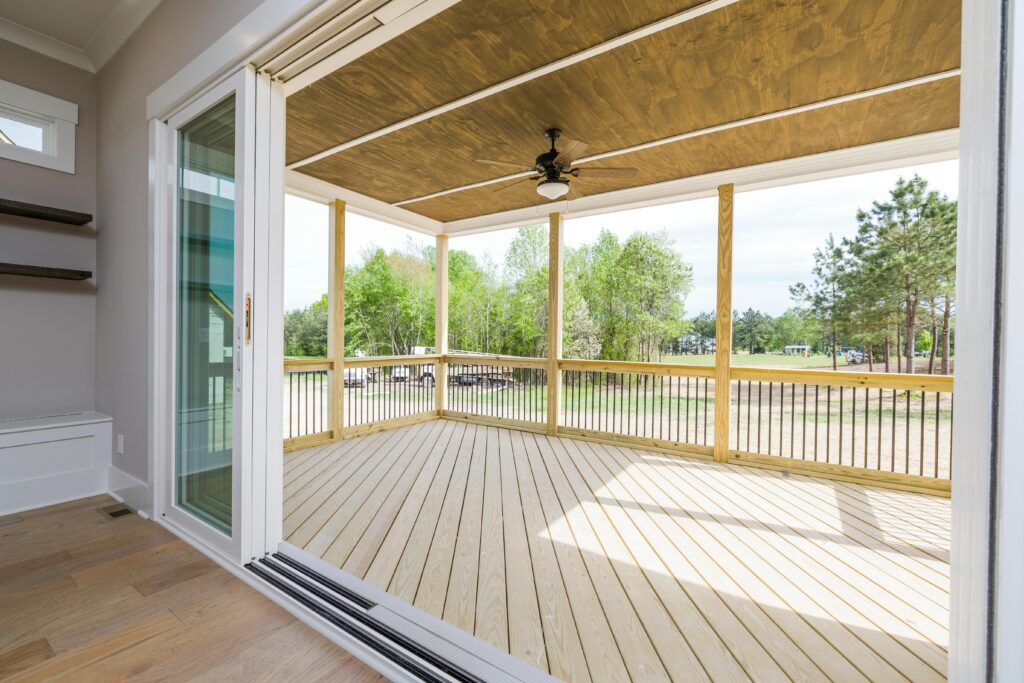
You don’t need a sprawling backyard to enjoy a beautiful, functional outdoor living space. Plenty of homeowners with compact lots have discovered that a well-designed small deck can rival any large patio in comfort, style, and livability. Whether you’re starting from scratch or planning a deck rebuild after years of wear and tear, the right design choices make all the difference. In this guide, you’ll find practical small backyard deck ideas, proven design tricks, and material tips everything you need to work with an experienced deck contractor and turn a tight space into your favorite spot at home. Ready to start planning? Get a free consultation with our team today. Key Takeaways The right deck size for your Ann Arbor home depends on how you plan to use the space, the size of your yard, and your home’s overall layout Michigan’s freeze-thaw conditions, clay-heavy soil, and local Ann Arbor zoning regulations can all impact deck design and allowable dimensions Working with an experienced contractor helps prevent costly sizing, layout, and permitting mistakes before construction begins Michigan Rose Construction manages every step of the process, including permits, inspections, planning, and construction throughout southeastern Michigan Proudly serving homeowners in Ann Arbor, Canton, Saline, Detroit, Ypsilanti, and nearby Michigan communities Not sure which configuration fits your household? Schedule a free consultation with Michigan Rose Construction → Click Here The Case for a Small Deck Small decks get a bad reputation, but they come with real advantages that larger builds simply can’t match. Before you call deck builders and ask for the biggest footprint possible, consider what a compact, intentional design can offer: Lower overall investment: Smaller footprints require less material and fewer labor hours, making deck installation more accessible for budget-conscious homeowners. Easier upkeep: Less square footage means less surface to clean, seal, and maintain season after season. Intentional, purposeful design: Constraints force creativity. Every element earns its place, resulting in a more cohesive outdoor space. More privacy: Compact decks are easier to screen in, fence off, or landscape around for a true backyard retreat. How to Make a Small Deck Look Bigger Great design can make a compact outdoor space feel open and inviting. Share these ideas with your deck contractors before finalizing a plan: Choose the Right Deck Layout The direction of your deck boards has a big visual impact. Diagonal patterns create depth and draw the eye outward, while straight-run boards laid along the longest dimension of the yard make the space feel elongated. L-shaped decks that wrap around a corner of the home can also feel more expansive than a simple square platform. Use Light Colors and Reflective Finishes Lighter stain tones think gray, whitewash, or natural blonde reflect sunlight and make the deck feel airier. Dark stains absorb light and visually shrink the space. Semi-gloss or gloss finishes add an extra layer of brightness without requiring any extra square footage. Keep Railings Minimal Glass panel railings and cable railings preserve sightlines and let your eye travel beyond the deck’s edge. Low-profile metal railings achieve a similar effect. If your deck sits at or near grade level and local code allows it, skipping a railing altogether opens the space up dramatically. Scale Furniture to the Space Oversized sectionals overwhelm a small deck fast. Bistro sets, sling chairs, and folding or stackable seating give you flexibility without crowding the floor. Built-in bench seating along the perimeter is one of the smartest moves you can make — it frees up open space in the center while maximizing usable seating. Small Deck Ideas for Every Style Not sure which direction to go? Here are the most popular small backyard deck ideas homeowners are exploring today. The Floating Deck A ground-level floating deck sits just above the soil without being attached to the home’s structure. It’s one of the most straightforward deck installation projects available, making it ideal for homeowners who want results quickly. It works on slightly uneven terrain with minor grading adjustments. The Wraparound Corner Deck Wrapping the deck around two sides of the home maximizes every square foot of a narrow lot. This layout creates natural flow between entry points and works especially well on side-yard lots where width is limited but length is available. The Container Garden Deck Built-in planter boxes along the railing keep greenery off the floor and double as a privacy screen. Vertical garden walls are another excellent option — they bring life and color to the space without consuming any deck surface. Skilled deck builders can integrate planters directly into the frame during the initial deck installation. The Multi-Season Deck With a Pergola Adding a pergola overhead creates shade and ambiance without fully enclosing the space. String lights, fabric curtains, or shade sails make the deck usable in bright afternoon sun and light rain. This is a popular upgrade deck contractors often recommend to homeowners who want year-round outdoor living. The Platform Deck With Built-Ins Built-in benches with under-seat storage, integrated planters, and recessed lighting eliminate the need for separate furniture pieces. The result is a cleaner, less cluttered deck that feels larger than its measurements suggest. If you’re planning a deck rebuild, this is a great opportunity to add these features from the ground up. Choosing the Right Decking Material Material selection shapes how your deck looks, performs, and holds up over time. Your deck contractor can walk you through the specifics, but here’s a quick overview of the most common options: Composite Decking Composite boards are low maintenance, fade-resistant, and available in a wide range of natural wood-look finishes. They’re a strong long-term investment, particularly for homeowners who want a beautiful deck without regular staining. Pressure-Treated Wood Pressure-treated lumber remains the most widely used decking material in North America. It’s budget-friendly, widely available, and delivers a classic look. It does require regular staining and sealing to hold up against moisture and UV exposure. Hardwood (Ipe, Teak, Cedar) Premium hardwoods offer exceptional durability and a rich, natural aesthetic. Species like Ipe and teak