Multi-Level Deck Designs That Maximize Backyard Space
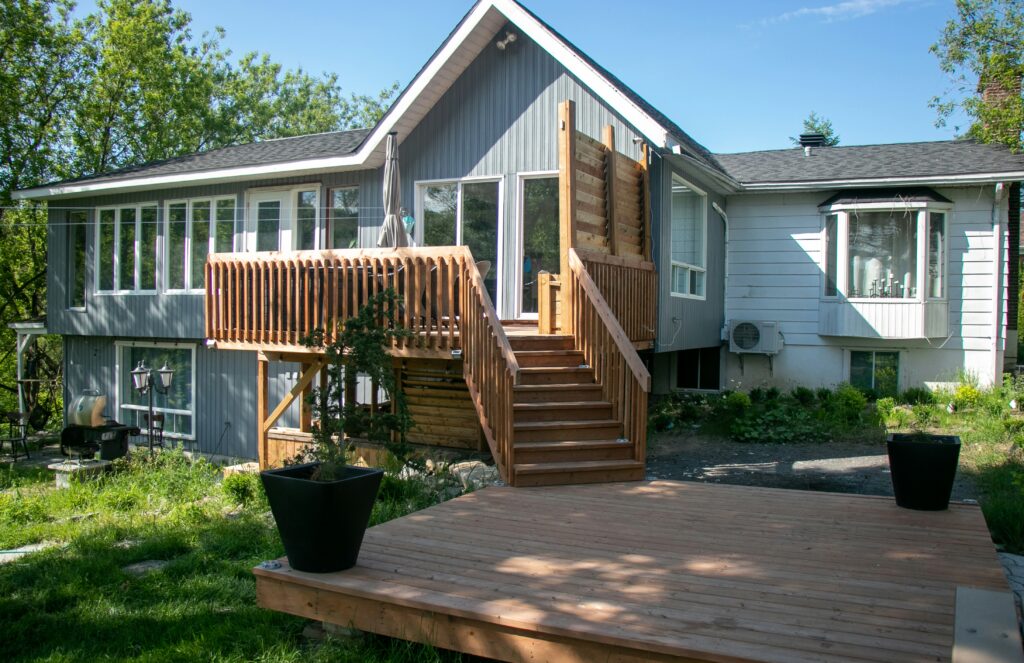
By Sean Kurtz, Founder — Michigan Rose Construction | LARA Licensed Residential Builder #262300264 A flat, underused backyard is one of the most common complaints among homeowners. Whether you are dealing with a sloped yard, limited square footage, or just a dull outdoor layout, a multi-level deck can completely transform the way you use your space. Instead of fighting the terrain or settling for a basic single-tier platform, multi-level deck designs work with your yard’s natural contours to create distinct, functional zones for living, dining, and relaxing outdoors. In this post, we will walk through the most popular multi-level deck design ideas, the practical benefits of building up instead of out, and what to consider before getting started. Key Takeaways Deck size in Ann Arbor should be driven by intended use, available yard space, and your home’s footprint Michigan’s freeze-thaw cycles, clay soil, and Ann Arbor zoning setbacks all affect what’s buildable on your property A professional consultation catches sizing mistakes before construction begins Michigan Rose Construction handles permits, inspections, and project management from start to finish across southeastern Michigan Proudly serving Ann Arbor, Canton, Saline, Detroit, Ypsilanti, and surrounding Michigan communities Not sure which configuration fits your household? Schedule a free consultation with Michigan Rose Construction → Click Here What Is a Multi-Level Deck? A multi-level deck is exactly what it sounds like: a deck built across two or more elevated platforms, connected by stairs or landings. Each level can serve a different purpose, giving your backyard the feel of a well-designed outdoor room rather than just a patch of wood bolted to the back of your house. These designs are especially practical for: Sloped or uneven backyards where a flat deck would require significant grading Larger homes where a single-level deck would look undersized Homeowners who want separate zones for cooking, dining, and lounging Yards with mature trees, gardens, or features worth working around 5 Multi-Level Deck Design Ideas Worth Considering 1. The Classic Two-Tier Deck The most common starting point, a two-tier deck connects your home’s main level to a lower outdoor living area via a short staircase. The upper level typically functions as a dining or entertaining space just off the kitchen, while the lower level opens into the yard for lounging, fire pits, or play areas. Simple, effective, and easy to customize. 2. Wraparound Multi-Level Design For corner lots or homes with multiple entry points, a wraparound deck that steps down on one side creates a sweeping outdoor flow. This design makes the most of side yards that often go unused while connecting different parts of the home’s exterior in a cohesive way. 3. Floating Deck with Upper Observation Level If you have a great view or a pool in the backyard, an elevated upper platform gives you a vantage point worth building for. This style places a smaller raised deck at the top with a broader lower deck below, connected by wide open stairs. Perfect for homes near hills, water, or large trees. 4. Split-Level Deck with Integrated Pergola Combine a multi-level structure with an overhead pergola on one tier and you instantly create a shaded retreat alongside an open sunbathing or dining area. The level change naturally separates the covered and uncovered zones without the need for walls or fencing. 5. Ground-Hugging Terraced Deck Not every multi-level deck needs to be high off the ground. A terraced design uses low platforms that step gently down a slope, following the natural grade of your yard. This approach blends the deck into the landscape, feels less imposing, and works beautifully in naturalistic or garden-style backyard settings. Benefits of Multi-Level Deck Design Beyond aesthetics, multi-level decks offer practical advantages that single-platform decks simply cannot match. Zone separation: Cooking, eating, and relaxing each get their own defined space, reducing crowding during gatherings. Works with slopes: Building up and down a grade eliminates the need for expensive retaining walls or excavation. Increased property value: A well-built multi-level deck consistently ranks among the top ROI home improvements. Visual interest: The varied heights and angles give a home’s exterior more depth and curb appeal. Versatility: Each tier can be designed independently with different materials, railing styles, or shade structures. What to Think About Before You Build A multi-level deck is more complex than a standard single-level build. Before committing to a design, here are the key factors to think through: Your Yard’s Grade and Drainage The slope of your yard largely determines how many levels make sense and how far apart they should be. A professional deck builder will assess your grade and recommend platform heights that feel natural to walk between while ensuring proper drainage away from your home’s foundation. Material Selection Pressure-treated lumber remains the most budget-friendly choice, but composite decking materials offer significantly lower maintenance and a longer lifespan, which matters more when you’re building something with multiple tiers and more total surface area to care for. Hardwoods like IPE or cedar are excellent mid-range options. Local Permits Multi-level decks almost always require a building permit, especially when any portion is more than 30 inches off the ground. Your contractor should handle this process, but it’s worth asking upfront so it’s built into your timeline. Load and Structural Engineering Higher decks carry more structural responsibility. Make sure your contractor accounts for proper footing depth, post sizing, and ledger attachment to your home’s framing, particularly on the elevated tiers. Why Ann Arbor Homeowners Choose Michigan Rose Construction Deck sizing is one piece of a successful outdoor living project. Getting it right requires hands-on experience with Ann Arbor’s building codes, Michigan’s climate demands, and southeastern Michigan’s soil conditions — not just general carpentry knowledge. Licensed, Bonded, and Insured: LARA License #2601230264 — full residential builder credentials required by Michigan law 15+ Years Serving Ann Arbor and SE Michigan: Decks built across Ann Arbor, Canton, Detroit, Saline, Ypsilanti, and surrounding communities Award-Winning Design-Build Services: Tailored outdoor living solutions for Michigan homeowners Full Ann Arbor Permit Management: Research, submittal, and
Top Pergola Ideas for Outdoor Summer Living
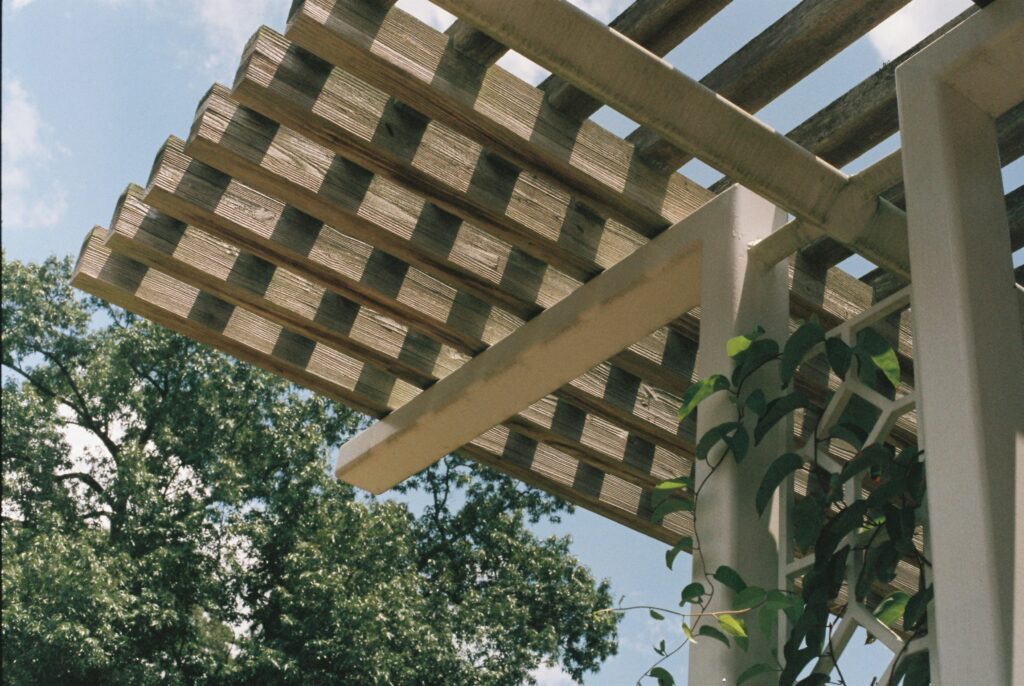
Summer is the season to reclaim your backyard. Whether you’re hosting weekend barbecues, unwinding after work, or creating a shaded retreat for the family, a pergola transforms ordinary outdoor space into an extension of your home. More homeowners are investing in pergola installations than ever before and for good reason. The right structure adds beauty, functionality, and lasting value to any property. In this guide, we’ll walk through the top pergola ideas for outdoor summer living in 2026 from modern minimalist designs to cozy entertaining setups so you can find the style that fits your backyard and lifestyle. Key Takeaways ✅ Pergolas increase home value, curb appeal, and outdoor livability. ✅ Aluminum and cedar are the top material choices for summer climates. ✅ Motorized louvered pergolas offer the best shade control for summer. ✅ Small backyards benefit from corner, attached, or compact patio pergolas. ✅ Lighting and decor complete the pergola space for nighttime entertaining. ✅ Professional installation is recommended for attached structures and motorized systems. Ready to upgrade your outdoor space? Contact our outdoor living experts today for a free consultation. Click Here What Is a Pergola? A pergola is an open-roof outdoor structure made up of vertical posts and horizontal beams or latticed rafters. There’s no solid ceiling the open design lets in sunlight, airflow, and sky while still defining a dedicated outdoor space. Pergolas are incredibly versatile. They work beautifully over patios, decks, garden paths, and outdoor dining areas. Many Michigan homeowners use them as a framework for climbing plants like wisteria, jasmine, or climbing roses, which fill in the overhead space naturally over time. The open-roof design is particularly well-suited to Michigan summers. Rather than trapping heat, a pergola allows air to circulate freely keeping the space comfortable even on humid July afternoons. It provides enough shade to make the area usable without creating the enclosed feeling of a fully roofed structure. A pergola is the right choice if you want partial shade, an airy feel, and a structure that blends seamlessly with your garden or landscaping. Why Pergolas Are Perfect for Summer Outdoor Living A pergola does more than add visual appeal — it solves real outdoor comfort problems. Here’s why they’ve become a backyard staple for homeowners across the country: Shade and sun protection without blocking airflow Defined outdoor entertaining and dining zones Increased curb appeal and home value Year-round usability with the right cover or materials A stylish anchor point for outdoor furniture, lighting, and decor. Whether attached to your home or freestanding in the yard, a well-designed pergola extends your usable living space throughout the entire season. Modern Pergola Ideas for Stylish Backyards Today’s pergola designs have evolved well beyond basic wood beams. Here are the most popular modern styles trending in 2026: Minimalist Aluminum Pergolas Clean lines, a powder-coated finish, and zero-maintenance upkeep make aluminum pergolas a top pick for contemporary homes. They’re lightweight, rust-resistant, and available in a range of neutral tones. Black Pergola Designs Matte black pergolas have taken over design feeds everywhere. This bold, luxury look pairs beautifully with light-toned pavers, natural stone, or greenery creating a high-contrast, resort-quality outdoor space. Smart Motorized Pergolas Motorized louvered pergolas let you control sun and shade with the touch of a button. Adjustable louvers open for full sun, close for full shade, or tilt to filter light throughout the day making them ideal for unpredictable summer weather. Mixed Material Pergolas Combining wood beams with metal frames or steel accents gives your pergola a custom, architectural look. This hybrid approach brings warmth and structure into a single statement piece. Have more questions? Contact our pergola experts we’re happy to walk you through your options. Click Here Backyard Pergola Ideas for Relaxation & Entertaining The best pergola isn’t just the prettiest one it’s the one that fits how you actually use your yard. Here are five functional layouts to inspire your build: Outdoor Dining Pergola – Centered over a dining table with string lights overhead, this setup is perfect for summer dinners and family gatherings. Lounge Area Pergola – A freestanding pergola over sectional seating creates a cozy outdoor living room feel. Poolside Pergola – Shade a lounge chair area or outdoor bar alongside the pool for a true resort-style experience. Fire Pit Pergola – Frame your fire pit area with a pergola to define the space and keep gatherings cozy into cooler evenings. Outdoor Kitchen Pergola – Cover your grill station and prep area to protect from summer heat and unexpected showers. Small Backyard Pergola Ideas That Maximize Space Limited square footage doesn’t mean limited style. These compact pergola solutions are designed for smaller outdoor footprints: Corner Pergolas – Tuck a pergola into a yard corner to define a seating zone without taking over the lawn. Compact Patio Pergolas – A smaller-scale pergola over an existing patio slab maximizes shade without requiring a full build. Attached Pergolas – Connecting directly to your home saves footprint while expanding the feel of indoor/outdoor living. Vertical Garden Pergolas – Use climbing plants like wisteria or jasmine to add natural shade and greenery to a smaller structure. Best Pergola Materials for Summer Weather Choosing the right material impacts how your pergola holds up through summer heat, rain, and humidity. Here’s a quick comparison: Aluminum – Lightweight, rust-proof, low maintenance. Best for modern designs. Cedar – Natural beauty and natural insect resistance. Requires periodic staining or sealing. Vinyl – Budget-friendly and weather-resistant, though less customizable in appearance. Steel – Maximum structural strength for large spans or heavy shade covers. For most homeowners, aluminum and cedar are the top two materials based on the balance of durability, aesthetics, and long-term maintenance. Covered Pergola Ideas for Extra Shade & Comfort Standard open-beam pergolas provide partial shade, but for full coverage during peak summer sun, consider these add-ons: Retractable Canopies – Pull out shade when you need it, retract when you want open sky. Polycarbonate Roof Panels – Semi-transparent panels block UV rays while maintaining a light, airy feel.
Professional Paver Installation in Ann Arbor & Southeast Michigan
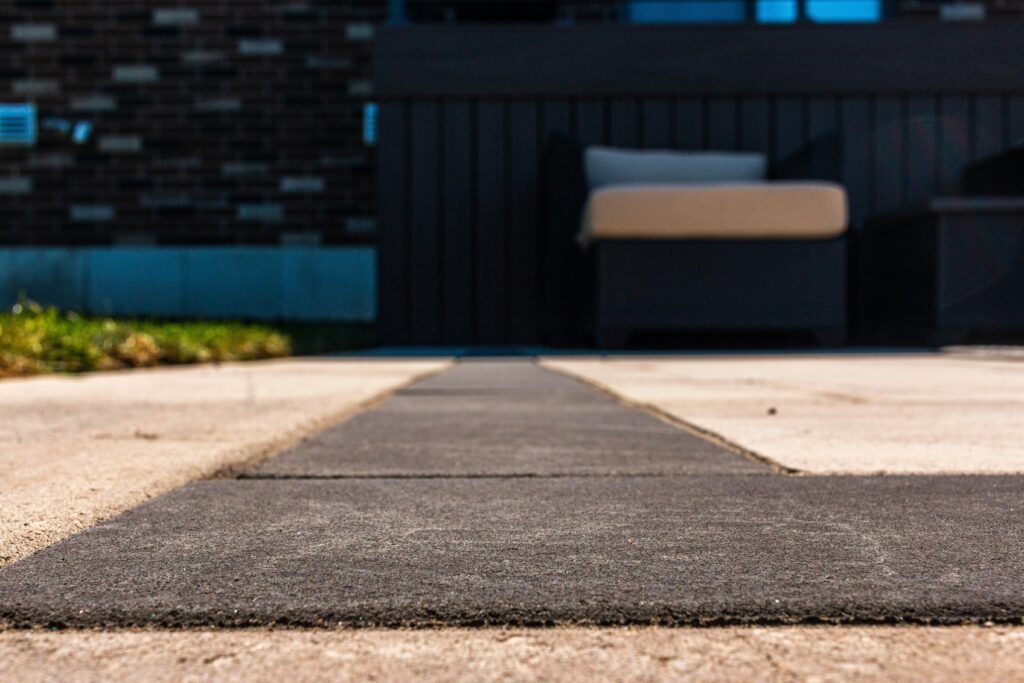
If you’re looking for a reliable paver installation contractor in Ann Arbor or the surrounding Southeast Michigan area, you’ve come to the right place. From driveway pavers to backyard patios and front walkways, our team installs high-quality pavers that hold up to Michigan’s harsh winters and look great doing it. Whether you’re upgrading your home’s curb appeal or adding functional outdoor living space, we’re the brick paver contractor Ann Arbor homeowners trust to get it done right. Key Takeaways Pavers are more durable and easier to repair than poured concrete or asphalt. Michigan’s freeze-thaw cycles make pavers an especially smart choice for driveways and patios. Our 5-step installation process from consultation to sealing is designed for long-lasting results. We serve Ann Arbor, Ypsilanti, Canton, Saline, Plymouth, Dexter, and nearby SE Michigan communities. All projects include a free on-site estimate with no obligation. What Is Paver Installation? Paver installation is the process of laying individual interlocking units such as brick, concrete, or natural stone to create durable surfaces for driveways, patios, walkways, pool decks, and more. Unlike poured concrete or asphalt, pavers are individual units set on a compacted base, which allows them to flex slightly under pressure and through temperature changes. This makes them significantly more resilient and easier to repair: if a single paver shifts or cracks, it can be lifted and replaced without disturbing the entire surface. Ready to Design Your Outdoor Living Space? Contact our team today for a free consultation and personalized paver design estimate for your Ann Arbor property. Click Here Types of Paver Projects We Install in Ann Arbor We install pavers for a wide range of residential and commercial surfaces across Ann Arbor and SE Michigan. No matter the project size, we bring the same level of craftsmanship and attention to detail. Driveways Patios & outdoor entertaining areas Pool decks Front walkways & garden paths Steps & entryways Retaining walls Pavers add long-term value to your property they’re durable, low-maintenance, and dramatically improve curb appeal. Because they’re designed to flex and contract through Michigan’s freeze-thaw cycles, they won’t crack the way poured concrete does after a few hard winters. For homeowners in Washtenaw County and beyond, that means a surface that stays beautiful season after season. Our Paver Installation Process Every paver project starts with a thorough site assessment. Here’s what to expect from first contact to finished install: Step 1: Free On-Site Consultation & Estimate We visit your property, assess the area, discuss your goals, and provide a detailed estimate no obligation, no pressure. Step 2: Material Selection Choose from concrete pavers, classic brick, or natural stone. We’ll help you find a style and color that complements your home. Step 3: Site Prep Excavation, Base Compaction & Edge Restraints Proper base preparation is the foundation of a long-lasting install. We excavate, compact the sub-base, and install edge restraints to prevent shifting over time. Step 4: Paver Laying & Pattern Setting Our crew lays each paver to your chosen pattern, making precision cuts as needed to ensure clean lines and tight joints throughout. Step 5: Sealing, Cleanup & Final Walkthrough Once installation is complete, we apply a protective sealer, clean up the site, and walk you through the finished project to make sure you’re 100% satisfied. Looking for a Backyard Upgrade? Schedule a free patio design consultation and discover custom paver solutions tailored to your home and lifestyle. Click Here Get a Free Paver Installation Quote in Ann Arbor Ready to transform your driveway, patio, or walkway? We’re actively taking on new paver installation projects across Ann Arbor and Southeast Michigan. Contact us today for a free, no-obligation on-site estimate. A local expert will walk your property, answer your questions, and give you a detailed quote no pushy sales tactics, just honest advice from a contractor who knows SE Michigan. Request a Free Paver Installation Estimate If you’re ready to upgrade your outdoor space with beautiful, durable pavers, now is the perfect time to start planning your project. Whether you want a custom patio, driveway, walkway, or complete outdoor living area, professional paver installation can add long-term value, functionality, and curb appeal to your home. Why Michigan Homeowners Trust Michigan Rose Construction Choosing a paver contractor is one of the most consequential decisions in an outdoor renovation project. The quality of your base preparation, drainage planning, and installation workmanship will determine whether your pavers look great for 20 years — or start shifting and settling within three. Here’s what sets Michigan Rose Construction apart: LARA License #2601230264 — fully licensed by Michigan’s Licensing and Regulatory Affairs as a residential builder Bonded and fully insured — protecting your property and your peace of mind throughout every project 15+ years of Michigan experience — we understand local soil conditions, frost depth requirements, and municipal permit processes across SE Michigan Award-winning design-build services — recognized for quality craftsmanship and client satisfaction Transparent pricing — detailed quotes with no hidden costs, ever Dedicated project management — realistic scheduling, regular homeowner communication, and quality checkpoints at every phase Comprehensive warranty coverage — your investment is protected long after installation is complete We serve Ann Arbor, Canton, Saline, Detroit, Ypsilanti, and the broader southeastern Michigan region. Let’s Build Your Dream Driveway Contact Michigan Rose Construction today to schedule a free on-site consultation and get a detailed plan for your paver driveway project. Click Here Your backyard has more potential than you might realize. A custom paver patio designed for Michigan’s climate and your family’s lifestyle is one of the highest-value improvements you can make to your home. Michigan Rose Construction is an award-winning, fully licensed (LARA #2601230264), bonded, and insured residential contractor serving Ann Arbor, Canton, Saline, Ypsilanti, Detroit, and surrounding southeastern Michigan communities. With 15+ years of specialized experience building outdoor living spaces for Michigan homeowners, we bring both design expertise and technical precision to every project. Michigan Rose Construction has spent 15+ years helping Washtenaw County homeowners transform new builds into complete homes with functional, beautiful
Paver Driveway Installation Process: A Complete Step-by-Step Guide
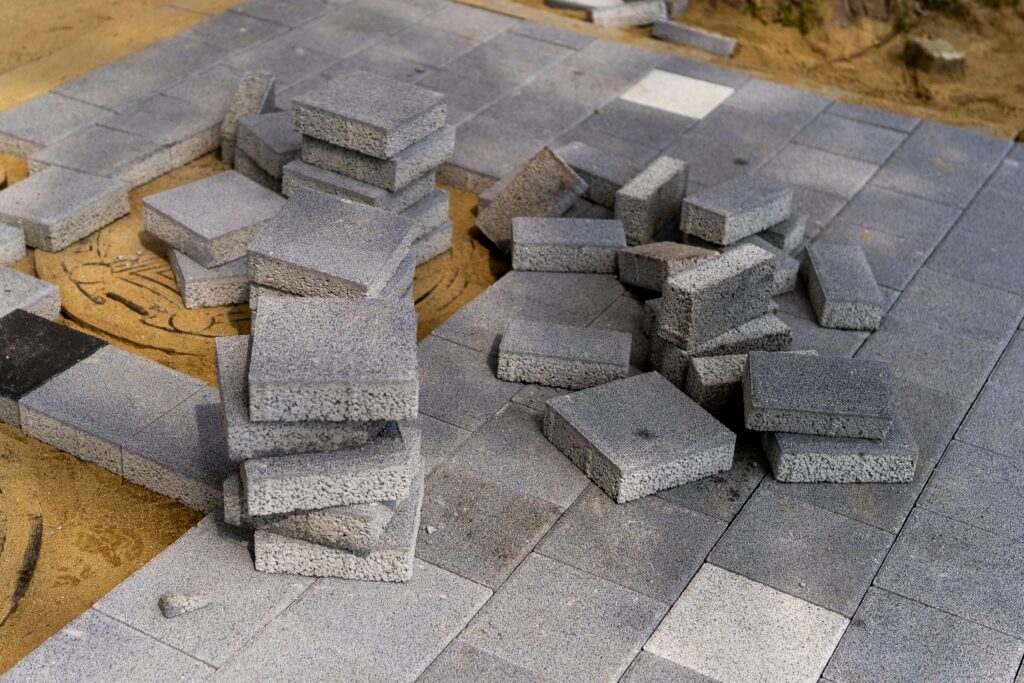
If you’re thinking about upgrading your driveway, pavers are one of the best investments you can make for your home’s curb appeal and long-term durability. But before you commit, it helps to understand exactly what the paver driveway installation process involves from the first shovel in the ground to the final sweep of jointing sand. At Michigan Rose Construction, we walk every homeowner through the process so there are no surprises. This guide covers each step in detail so you know what to expect. What Is a Paver Driveway? A paver driveway is a surface made from individual interlocking units typically concrete pavers, brick, or natural stone installed over a prepared base. Unlike poured concrete or asphalt, which set as a single slab, pavers are laid piece by piece, which gives them a key advantage: flexibility. When the ground shifts due to Michigan’s freeze-thaw cycles, individual pavers can flex and move without cracking the way a solid slab does. And if a section is ever damaged, you can remove and replace just those pavers rather than tearing up the whole driveway. That combination of strength, repairability, and visual appeal makes pavers a standout choice for homeowners who want a long-lasting upgrade. Thinking About a New Paver Driveway? Michigan Rose Construction offers free on-site consultations. Let us walk your property and give you a detailed plan. Click Here How Long Does Paver Driveway Installation Take? Most residential paver driveway installations take between three and five days from start to finish. The exact timeline depends on the size of the driveway, the condition of the existing surface, soil type, and weather conditions on the day of the pour. Larger driveways or properties with difficult drainage conditions may take longer. Rushing the process especially the base compaction phase leads to premature settling and uneven surfaces down the road. A properly paced installation is always worth the extra day or two. Step-by-Step Paver Driveway Installation Process Here is a breakdown of each phase in a professional paver driveway installation: Step 1: Site Assessment and Planning Before any digging starts, the contractor measures the driveway area, checks the natural slope for drainage, marks underground utilities, and confirms the paver pattern and material. This planning phase prevents costly mistakes later, like water pooling near the foundation or pavers installed in the wrong direction. Step 2: Excavation The existing surface whether that’s grass, old asphalt, or compacted soil is removed to the required depth. For a residential driveway, excavation typically goes six to twelve inches deep, depending on the local soil type and how much vehicle traffic the driveway will handle. Equipment like excavators and skid steers are used to remove material quickly and evenly. Step 3: Base Layer Preparation This is the most critical step in the entire process. A crushed stone aggregate base usually Class II or compactable gravel is spread in layers of three to four inches and compacted thoroughly with a plate compactor. Multiple compaction passes are made to ensure the base is dense and stable. A weak base is the number one cause of paver failures, regardless of how good the pavers themselves are. Step 4: Sand Bedding Layer A one-inch layer of coarse bedding sand is screeded over the compacted base. This layer serves two purposes: it allows for precise fine-leveling of the surface before paver placement, and it provides a small degree of flexibility so the pavers can shift very slightly without cracking. The sand is never compacted at this stage it needs to remain loose so pavers can seat into it properly. Step 5: Paver Layout and Installation Pavers are placed by hand in the chosen pattern herringbone, running bond, basket weave, or a custom design. The installer works from a fixed edge or corner to maintain alignment. As the layout progresses, full pavers are set first, then cut pavers are used to fill edges, curves, and borders. A wet saw or mechanical splitter is used to cut pavers cleanly to size. Step 6: Compaction and Polymeric Joint Sand Once all pavers are in place, a plate compactor is run over the entire surface to seat the pavers firmly into the sand bed. Polymeric sand a blend of fine sand and binding agents is then swept into all the joints. A second compaction pass helps drive the sand deep into the gaps. The polymeric sand is then lightly misted with water to activate the binders, locking the joints and preventing weed growth and insect intrusion. Step 7: Edge Restraints and Final Cleanup Plastic or metal edge restraints are secured around the perimeter of the driveway to prevent lateral movement over time. Without edge restraints, pavers at the edges gradually drift outward, opening up gaps. Once the restraints are in place, the crew does a final cleanup sweep, removes any debris, and walks the homeowner through the completed work. Want a Professional to Handle Every Step? Our crew manages the entire process from excavation to final compaction. No shortcuts, no surprises. Click Here What to Expect After Installation Once the installation is complete, avoid driving on the surface for at least 72 hours. Foot traffic is fine, but vehicle weight before the polymeric sand fully cures can shift the freshly set pavers. If rain is expected within 24 hours of installation, ask your contractor how they plan to protect the jointing sand most will schedule accordingly. Some minor settling in the first few weeks is completely normal, especially in areas with heavy clay soil. Individual pavers that shift slightly can be lifted, re-leveled, and reset easily. For long-term care, reseal the surface every three to five years to protect the pavers from staining and weathering, and top up joint sand as needed. Well-maintained paver driveways can last 25 to 50 years far longer than asphalt or plain concrete. Why the Installation Process Matters for Longevity Every paver driveway looks great on day one. What separates a driveway that holds up for decades from one that starts failing within a
Outdoor Contractor in Ann Arbor: What to Look for Before You Hire
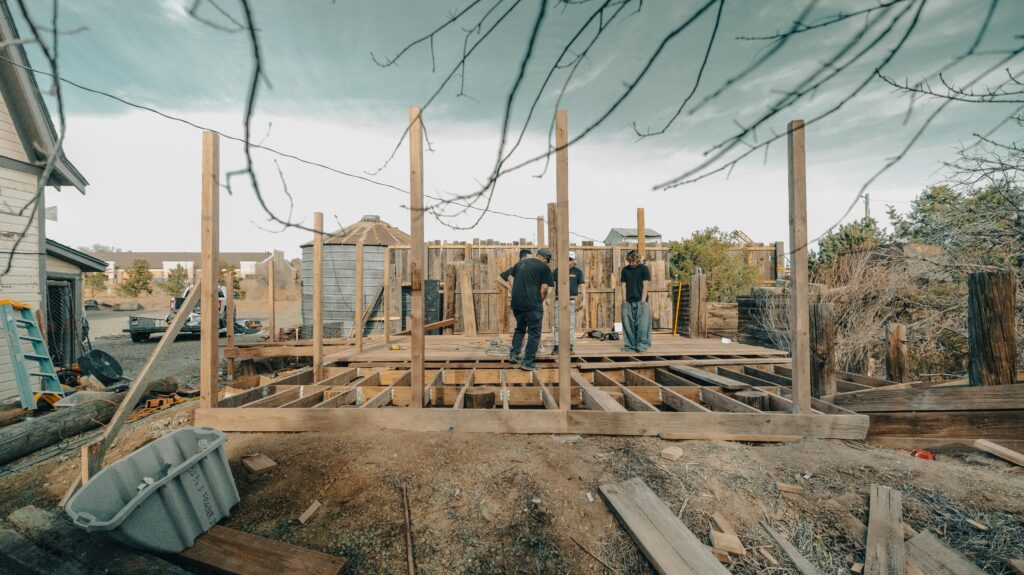
You finally have the budget and the vision. Maybe it’s a patio off the back door, a retaining wall that actually holds, or a full outdoor living space you can use from April through October. You do a quick search for outdoor contractors in Ann Arbor, get a few names, and start making calls. That’s where it can go sideways. Not every contractor who shows up to give a quote is qualified to do the work. Ann Arbor’s freeze-thaw climate is unforgiving materials expand and contract, drainage matters enormously, and a single winter can expose installation mistakes that a warmer climate might hide for years. Hiring the wrong contractor does not just mean a delayed project. It can mean redoing expensive work within a few seasons. Key Takeaways Verify the contractor holds an active Michigan license through LARA before anything else. Require proof of general liability insurance and workers’ compensation — no exceptions. Read local Google and Houzz reviews for recency, volume, and project-specific detail. Get scope, timeline, payment schedule, material specs, and warranty terms in writing. A licensed, insured, locally reviewed contractor is almost always the right choice — even if they are not the lowest quote. Why Hiring the Right Outdoor Contractor in Ann Arbor Matters Outdoor projects are not small decisions. A patio, deck, pergola, or hardscape installation is a significant investment of time and money and it is visible every single day from your home. When the work is done right, it adds lasting value. When it is done wrong, it is both expensive and disruptive to fix. Ann Arbor’s climate adds another layer of complexity that contractors from outside the area may not fully understand. The region experiences dramatic temperature swings freezing winters, wet springs, and hot summers that put outdoor materials through serious stress. Proper drainage, the right base materials, and appropriate installation techniques for Washtenaw County conditions are not optional. They are what separate a patio that lasts fifteen years from one that starts heaving and cracking after three. Spring is also when demand spikes. A wave of contractors enters the local market every March and April, many of them seasonal or newly established. That is not automatically a problem, but it does mean that not everyone bidding on your project has the same level of experience, licensing, or local knowledge. Knowing what to look for is how you tell the difference. Check for Proper Licensing and Insurance This is the first thing to verify before you look at a portfolio, before you read a single review. Michigan requires contractors performing residential construction and outdoor building work to hold a state-issued license through LARA, the Michigan Department of Licensing and Regulatory Affairs. Ask any contractor you are considering for their Michigan Residential Builder’s License or Maintenance and Alteration Contractor License number. Then verify it yourself at the LARA website. It takes two minutes and tells you immediately whether the license is active, expired, or if there have been any disciplinary actions. Beyond licensing, ask for proof of two types of insurance: General liability insurance — covers property damage that occurs during the project. A minimum of $1 million in coverage is the standard benchmark for residential outdoor work. Workers’ compensation — covers injuries to crew members on your property. If a contractor has employees or subcontractors and no workers’ comp, you may be legally liable for on-site injuries. A reputable contractor will have this documentation ready and will not hesitate to share it. If they are slow to produce it, or push back when you ask, that tells you something important. Read Reviews and Know What You Are Looking At Online reviews are useful, but only if you know how to read them. A long list of five-star ratings with no written detail is far less meaningful than twenty reviews that describe specific projects, name the crew, and explain what made the experience positive or negative. Google Business Profile is the most reliable place to start look at volume, recency, and whether reviewers mention Ann Arbor or nearby Washtenaw County locations specifically. Houzz and Angi are also worth checking, particularly for outdoor and landscaping work. A few things to watch for: A sudden spike in reviews with no older history can indicate a review push, which is not necessarily a red flag on its own, but warrants closer reading. Templated or generic responses from the contractor suggest a company that is not paying close attention to its client relationships. No reviews older than one year for an established company is unusual and worth asking about. Beyond the platforms, ask the contractor directly for two or three local references you can call. Ask those references whether the project finished on time, whether there were any unexpected changes, and whether they would hire the contractor again. Those three questions reveal more than most review platforms ever will. Ready to work with a trusted outdoor contractor in Ann Arbor? See our completed local projects and request a free consultation Click Here Ask About Their Process and Project Timeline A professional outdoor contractor should be able to walk you through the project from start to finish before a single tool comes out of the truck. If they cannot clearly explain the phases of work, how decisions are made, and what happens when something changes, that is a sign to slow down. Questions to ask during the initial conversation: How do you handle permitting? Many outdoor projects in Ann Arbor require permits through the city. Your contractor should pull those permits on your behalf. If they expect you to manage permitting yourself, or tell you permits are not necessary when they likely are, that is a red flag. What does the payment schedule look like? A reasonable contractor will not ask for more than thirty to forty percent upfront. Understand how draws are structured and get it in writing. How are change orders handled? Scope changes happen on outdoor projects. A professional contractor has a clear written
How to Plan an Outdoor Living Space in Michigan (From Concept to Build)

Michigan homeowners are uniquely positioned to make the most of outdoor living — if they plan smart. With warm, sunny summers, vibrant falls, and winters that demand durability, designing an outdoor space here is not just about aesthetics. It is about building something that works through all four seasons and still looks great doing it. Whether you are starting from a blank backyard or looking to upgrade a tired patio, this guide walks you through every stage of the outdoor living space planning process — from the first sketch on paper to the final slab of stone or beam of wood. Key Takeaways Start by defining how you will actually use the space entertaining, relaxing, cooking, or all three. Michigan’s freeze-thaw cycles, drainage needs, and snow load are non-negotiable design factors not afterthoughts. The right feature mix patio, fire pit, pergola, outdoor kitchen depends on your lifestyle and budget scope. Plan and contract early. Michigan contractors book up fast once the ground thaws in spring. A local Michigan contractor brings climate knowledge, permit experience, and material expertise that out-of-state companies simply cannot match. A well-executed outdoor living space adds lasting curb appeal and real estate value to your Michigan home. Step 1: Define How You Want to Use the Space Before looking at materials or designs, think about how your household actually lives. Ask yourself: Do you host large gatherings or prefer quiet family evenings? Will kids or pets be using the space regularly? Do you want a dedicated cooking and grilling zone? Are you looking for a year-round space or a summer-only setup? How much maintenance are you willing to do long-term? The answers shape every decision that follows. A Michigan family that loves fall bonfires has completely different needs than one looking for a shaded summer dining area. Getting clear on your goals upfront prevents costly changes later in the build. Ready to transform your backyard? Contact our Michigan landscaping team for a free consultation Click Here Step 2: Understand Michigan’s Climate and How It Affects Your Build Michigan weather is not subtle. Temperatures swing from below zero in January to the upper 80s in July. That range has a direct impact on what materials, structures, and plants will hold up over time. What to Account For: Freeze-thaw cycles: Michigan’s freeze-thaw pattern is one of the most damaging forces for hardscaping. Concrete slabs and pavers need proper base depth and drainage to prevent cracking and shifting. Drainage: Spring snowmelt and summer storms can overwhelm poorly graded yards. Your outdoor space should direct water away from the home’s foundation. Sun exposure: Most of Michigan is in USDA Hardiness Zones 5b to 6b. Shade structures, pergolas, and strategic planting can make your space comfortable during peak summer heat. Wind and snow load: Pergolas, overhead structures, and fencing need to be built to handle Michigan’s winter wind and snow accumulation. Skipping these considerations is the number one reason outdoor spaces fail or require expensive repairs within a few years of installation. Step 3: Choose the Right Features for Your Outdoor Space Once you know how you will use the space and what the climate demands, you can start selecting features. Think of this as building blocks. Most Michigan outdoor living spaces combine several of the following elements: Patios and Hardscape Surfaces A patio is usually the foundation of an outdoor living area. Concrete, natural stone, and interlocking pavers are all popular in Michigan. Each has different performance characteristics in cold climates. Natural stone and quality pavers with a deep gravel base tend to outperform standard poured concrete in freeze-thaw conditions. Fire Pits and Fireplaces Given Michigan’s long shoulder seasons, a fire feature extends the usability of your outdoor space well into fall and even early spring. Built-in gas fire pits offer convenience, while wood-burning options provide the classic ambiance many homeowners prefer. Pergolas and Shade Structures A pergola adds architectural definition to your space while providing partial shade. For Michigan, cedar and composite materials hold up better than pine against moisture and temperature swings. Adding a retractable canopy or shade sails gives you flexibility on bright summer days. Outdoor Kitchens and Grilling Stations If entertaining is a priority, consider a built-in grilling station or full outdoor kitchen. Even a modest setup — a countertop, a grill, and some storage — significantly improves how your backyard functions during the warmer months. Landscaping and Planting Zones Plants, raised garden beds, and privacy hedges tie your hardscape into the surrounding yard. Michigan-native plants like serviceberry, black-eyed Susan, and little bluestem grass thrive in local conditions and require minimal maintenance once established. Step 4: Set a Realistic Scope and Timeline One of the most common mistakes in outdoor living projects is underestimating scope. A full backyard transformation — patio, pergola, landscaping, and fire feature — takes time, coordination, and proper sequencing. Here is a general timeline to plan around: Late winter to early spring: Finalize your design and select a contractor April to May: Site prep, grading, and drainage work May to June: Hardscape installation (patios, retaining walls, walkways) June to July: Structures, pergolas, and outdoor kitchen builds July to August: Landscaping, planting, and final details If you want your space ready for summer entertaining, planning and contracting should start no later than February or March. Michigan contractors book up quickly once the ground thaws. Do not wait until spring to start planning Get on our schedule now Click Here Step 5: Work With a Michigan-Based Outdoor Living Contractor There is a significant difference between hiring a general contractor and working with a team that specializes in Michigan outdoor living spaces. Local professionals understand soil composition, drainage requirements, municipal permit processes, and which materials perform long-term in this climate. When evaluating contractors, look for: A portfolio of completed Michigan projects with climate-specific considerations Clear communication around permits, HOA requirements, and site prep Experience with both hardscaping and softscaping in tandem Transparent project timelines and milestones Warranties on materials and installation workmanship A well-planned outdoor
Pergola vs. Gazebo: Which Outdoor Structure Is Right for Your Michigan Backyard?
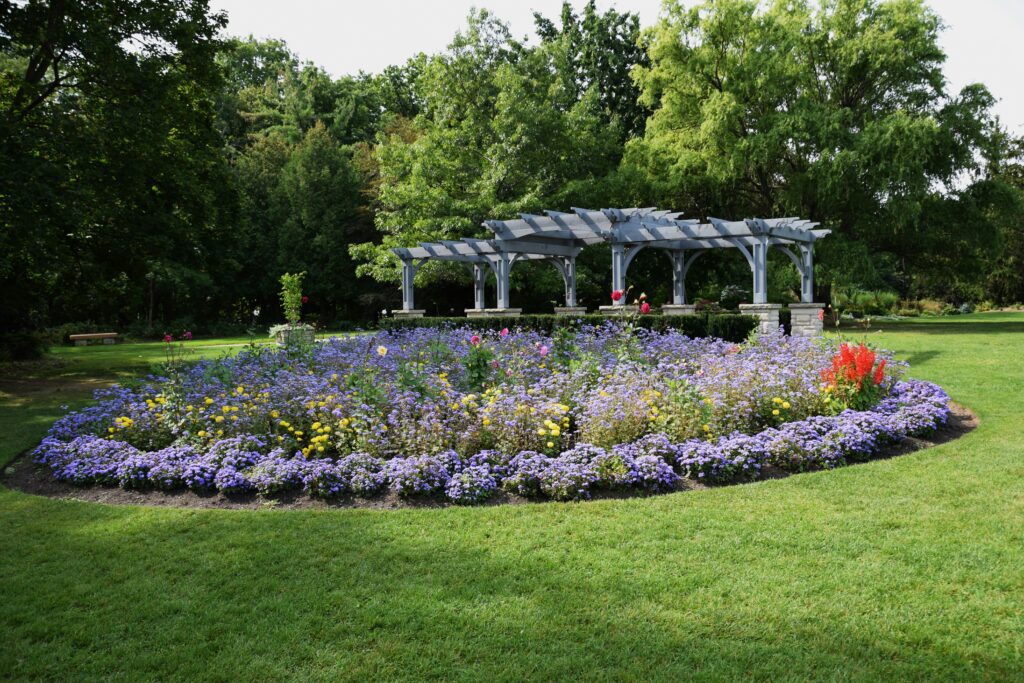
If you’ve spent any time dreaming about upgrading your Michigan backyard, you’ve probably gone back and forth between two of the most popular outdoor structures: pergolas and gazebos. Both look stunning, both add real value to your property, and both give you a reason to actually enjoy your yard from those perfect Michigan summer evenings to the crisp days of early fall. But they’re not the same structure, and the right choice for your yard depends on how you plan to use it, what Michigan’s climate demands, and what kind of outdoor experience you’re after. In this guide, we’ll break down the key differences between pergolas and gazebos, walk through Michigan-specific factors that should influence your decision, and help you figure out which structure makes the most sense for your backyard and lifestyle. Key Takeaways Pergolas have an open-roof design great for airflow and partial shade, but no rain protection. Gazebos have a solid roof ideal for full weather protection and 3-season use in Michigan. Michigan’s winters, humidity, and freeze-thaw cycle affect both structures differently local engineering matters. Both require permits in most Michigan municipalities always check with your local building department first. Your lifestyle and which seasons you use your backyard most should drive the final decision. What Is a Pergola? A pergola is an open-roof outdoor structure made up of vertical posts and horizontal beams or latticed rafters. There’s no solid ceiling the open design lets in sunlight, airflow, and sky while still defining a dedicated outdoor space. Pergolas are incredibly versatile. They work beautifully over patios, decks, garden paths, and outdoor dining areas. Many Michigan homeowners use them as a framework for climbing plants like wisteria, jasmine, or climbing roses, which fill in the overhead space naturally over time. The open-roof design is particularly well-suited to Michigan summers. Rather than trapping heat, a pergola allows air to circulate freely keeping the space comfortable even on humid July afternoons. It provides enough shade to make the area usable without creating the enclosed feeling of a fully roofed structure. A pergola is the right choice if you want partial shade, an airy feel, and a structure that blends seamlessly with your garden or landscaping. Already know what you want? Get a free consultation and we’ll bring your Michigan backyard vision to life. Click Here What Is a Gazebo? A gazebo is a fully roofed, freestanding outdoor structure — typically octagonal or round in shape — with open sides or screened panels. Unlike a pergola, a gazebo provides complete overhead coverage, which means genuine protection from rain, wind, and sun. Gazebos function more like a defined outdoor room. They’re a natural fit for entertaining, relaxing with family, housing a hot tub, or creating a backyard focal point that draws the eye from the house. The enclosed-feeling design makes them feel intentional and permanent. For Michigan homeowners, the full roof is the gazebo’s biggest advantage. Michigan weather is notoriously unpredictable — a sunny afternoon can turn into a late-summer downpour with little warning. A gazebo keeps you outside and comfortable regardless. With screen panels added, a gazebo also becomes a mosquito-free zone, which is a significant upgrade during Michigan’s peak bug season in June and July. A gazebo is the right choice if you want full weather protection, a space you can use across multiple seasons, and a structure that feels like a true outdoor destination. Key Differences Between Pergolas and Gazebos Before you commit to either structure, it’s worth understanding exactly how they differ across the factors that matter most to Michigan homeowners. Roof Coverage: A pergola has open slats or beams overhead — it creates shade, not shelter. A gazebo has a solid roof, meaning full protection from rain and direct sun. This is the most fundamental difference between the two structures. Weather Protection: Because a pergola is open overhead, it offers no rain protection whatsoever. A gazebo keeps you dry. For Michigan, where spring and summer rain is common, this distinction matters if you plan to use the space frequently. Privacy and Enclosure: Pergolas are open on all four sides, which gives them an airy, garden-like feel. Gazebos create a more enclosed experience — particularly when screen panels are added — which many homeowners find more comfortable for evening entertaining. Footprint and Placement: Pergolas are typically rectangular and highly flexible in size, making them easy to adapt to irregular spaces or attach to the side of a house. Gazebos are fixed in shape — usually round or octagonal — and require more careful placement planning to look proportional in your yard. HOA and Permit Considerations: In most Michigan municipalities, both structures require a building permit. Gazebos, because of their solid roof and more substantial footprint, often receive additional scrutiny from HOA boards and local building departments. Always confirm requirements with your local township before breaking ground. Not sure which structure fits your yard? Talk to a Michigan outdoor structure specialist we’ll help you decide before you commit to anything. Click Here Michigan-Specific Factors to Consider A growing trend in Michigan backyards, porcelain pavers offer a sleek, modern look with exceptional resistance to moisture, staining, and fading. They’re virtually maintenance-free and don’t require sealing. For contemporary home designs or minimalist outdoor aesthetics, porcelain is worth serious consideration. Popular Paver Patterns for Michigan Patios This is where the pergola vs. gazebo decision gets nuanced for Michigan homeowners. General advice you’ll find online doesn’t account for what it’s actually like to own and maintain an outdoor structure through Michigan’s four distinct seasons. Michigan Winters: Snow load is a real structural consideration here. Pergolas, because of their open design, allow snow to fall through the lattice or beams rather than accumulate on top. Gazebos, with their solid roofs, must be engineered to handle Michigan’s snow loads this typically means heavier framing, stronger materials, and a properly pitched roof. A poorly built gazebo roof can become a liability in a heavy Michigan snowstorm. Summer Humidity and Heat: Michigan summers bring significant humidity,
Paver Patio Ideas for Michigan Backyards: Designs That Work in Every Season
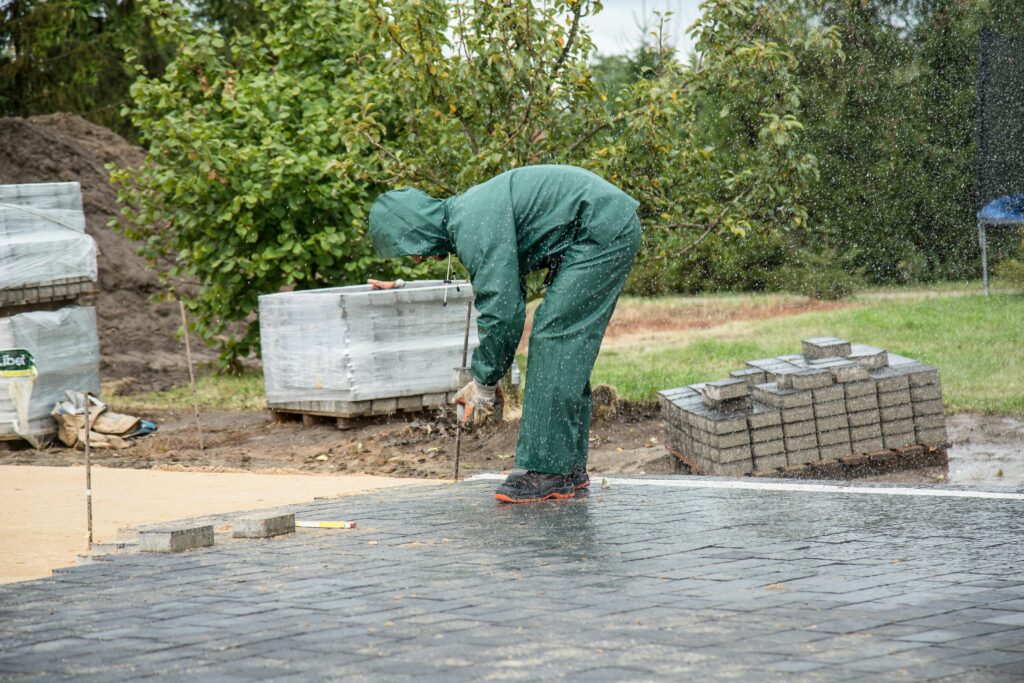
Michigan backyards deserve more than a concrete slab. With the right paver design, your outdoor space becomes a true extension of your home — functional through spring rain, summer gatherings, fall evenings, and even Michigan winters. Whether you’re envisioning a cozy fire pit area, a full outdoor entertaining space, or a clean modern patio off your back door, pavers offer the durability, flexibility, and curb appeal that poured concrete simply can’t match. Here’s a look at the best paver patio ideas for Michigan homeowners and what to consider before you build. Key Takeaways Concrete, brick, natural stone, and porcelain pavers each perform differently in Michigan’s freeze-thaw climate Paver patterns like herringbone and running bond add visual interest without added complexity Outdoor features like fire pit surrounds and pergola bases pair naturally with paver patios Proper base installation is the most important factor for long-term paver performance in Michigan Michigan Rose Construction is licensed (LARA #2601230264), bonded, and insured with 15+ years of local experience Why Pavers Are a Smart Choice for Michigan Backyards Michigan’s climate puts outdoor surfaces through a punishing cycle every year. Temperatures routinely drop below freezing from November through March, and the ground expands and contracts with each freeze-thaw cycle. Unlike poured concrete which cracks under this repeated stress individual pavers flex and settle independently, making them far more resilient in our climate. Clay soil, common throughout southeastern Michigan in areas like Ann Arbor, Canton, and Ypsilanti, compounds the challenge. It shifts seasonally, creating an uneven base that breaks rigid slabs apart over time. A properly installed paver patio with the right base depth and drainage handles this movement without cracking or shifting. Beyond durability, pavers offer something concrete can’t: design flexibility. From traditional to contemporary, the range of materials, patterns, and colors lets you customize your backyard to match your home’s architecture and your personal style. Thinking about a paver patio this season? Our licensed team (LARA #2601230264) is fully bonded and insured. Schedule your free consultation today. Click Here Why Pavers Are a Smart Choice for Michigan Backyards Michigan’s climate puts outdoor surfaces through a punishing cycle every year. Temperatures routinely drop below freezing from November through March, and the ground expands and contracts with each freeze-thaw cycle. Unlike poured concrete — which cracks under this repeated stress — individual pavers flex and settle independently, making them far more resilient in our climate. Clay soil, common throughout southeastern Michigan in areas like Ann Arbor, Canton, and Ypsilanti, compounds the challenge. It shifts seasonally, creating an uneven base that breaks rigid slabs apart over time. A properly installed paver patio — with the right base depth and drainage — handles this movement without cracking or shifting. Beyond durability, pavers offer something concrete can’t: design flexibility. From traditional to contemporary, the range of materials, patterns, and colors lets you customize your backyard to match your home’s architecture and your personal style. Paver Materials to Consider for Your Michigan Patio Concrete Pavers Concrete pavers are the most popular choice for Michigan homeowners — and for good reason. They’re available in dozens of colors and shapes, hold up well against freeze-thaw cycles, and are more budget-accessible than natural stone. They can mimic the look of brick or stone at a fraction of the weight. Brick Pavers Brick pavers bring timeless, classic warmth to any backyard. Their rich red and brown tones complement traditional Michigan home styles beautifully. Brick is extremely durable and only improves in character with age. It’s an excellent choice for homeowners who want a patio that looks established rather than newly installed. Natural Stone Pavers Bluestone, flagstone, and limestone offer a premium, one-of-a-kind aesthetic that no manufactured product can fully replicate. Each piece is unique. Natural stone pairs especially well with landscaping-heavy yards and upscale home designs. The tradeoff is that it requires more careful installation and occasional resealing to maintain its appearance through Michigan winters. Porcelain Pavers A growing trend in Michigan backyards, porcelain pavers offer a sleek, modern look with exceptional resistance to moisture, staining, and fading. They’re virtually maintenance-free and don’t require sealing. For contemporary home designs or minimalist outdoor aesthetics, porcelain is worth serious consideration. Popular Paver Patterns for Michigan Patios The pattern you choose affects both the look and the structural performance of your patio. Here are the most commonly requested layouts: Herringbone — Interlocking at 45 or 90 degrees, this pattern is one of the strongest available. The interlocking geometry distributes weight evenly and resists shifting, making it ideal for driveways and high-traffic patio areas. Running Bond — A classic offset brick pattern that’s clean, simple, and versatile. It works well in both traditional and transitional design styles and is one of the easiest patterns to install and repair. Basket Weave — Pairs of pavers laid perpendicular to each other in a repeating grid. It creates a textured, old-world look that suits cottage-style and craftsman homes particularly well. Random / Ashlar Pattern — Uses pavers of varying sizes arranged in an irregular but balanced layout. This pattern works beautifully with natural stone and gives patios a more organic, high-end appearance. Soldier Course Border — Not a full pattern on its own, but a single row of pavers laid end-to-end around the perimeter of the patio. It creates a defined, finished edge that elevates almost any design. Patio Design Features That Pair Well With Pavers A paver patio becomes a true outdoor living space when you integrate functional features into the design from the start. Fire Pit Surrounds — Pavers are an ideal material for building a fire pit surround or seating wall. The heat tolerance of concrete and brick pavers makes them a safe, attractive option. A circular paver patio with a built-in fire pit is one of the most requested backyard designs in Michigan. Pergola and Structure Bases — If you’re planning to add a pergola, outdoor kitchen, or shade structure, a paver patio provides the stable, level foundation those structures need. Planning the patio and structure together
Paver Installation in Michigan: What Homeowners Need to Know Before They Start
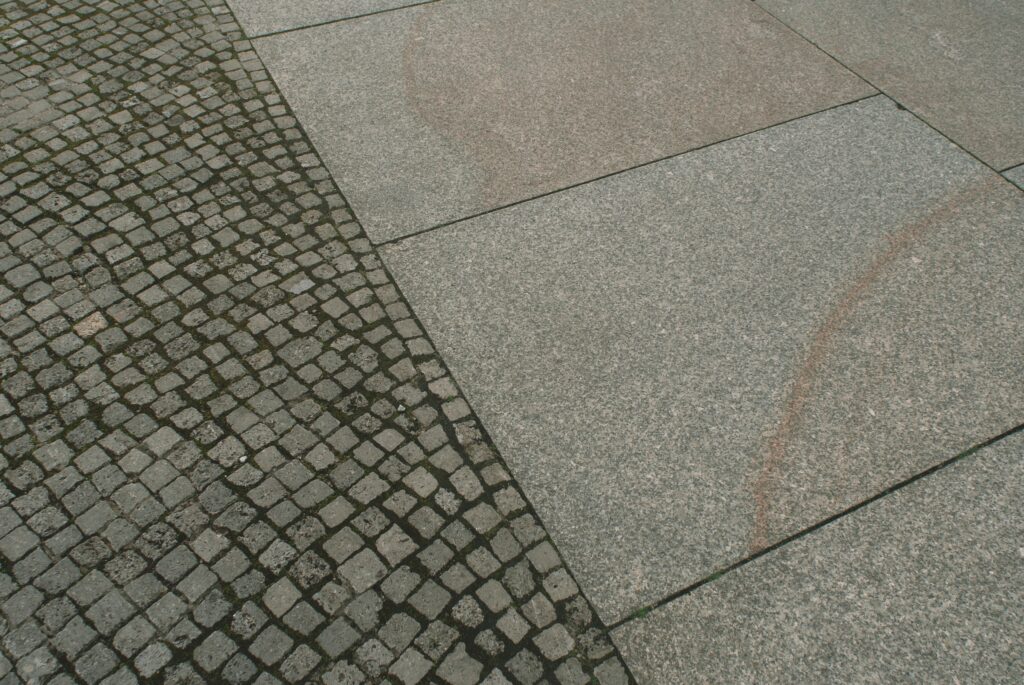
Key Takeaways Pavers outperform poured concrete in Michigan’s freeze-thaw climate due to their flexible, joint-based design Michigan’s 42-inch frost-depth requirement directly affects how your paver base is built — skipping this step leads to costly failures Michigan Rose Construction is licensed (LARA #2601230264), bonded, and insured with 15+ years serving SE Michigan homeowners Proper base preparation — not the pavers themselves — is what determines how long your installation lasts We serve Ann Arbor, Canton, Saline, Detroit, Ypsilanti, and surrounding southeastern Michigan communities Schedule a free consultation to get a detailed quote with no hidden costs Why Michigan Homeowners Choose Pavers If you’ve watched a concrete driveway or patio crack after a few hard winters, you already understand why pavers have become the preferred choice across southeastern Michigan. Unlike solid concrete slabs, interlocking pavers are designed to flex — each unit moves independently during freeze-thaw cycles rather than cracking under the stress of heaving soil. Michigan’s clay-heavy soils expand when saturated and shift under frost. A properly installed paver system, built on a compacted aggregate base that meets Michigan’s 42-inch frost-depth standard, handles that movement without buckling. The result is a surface that holds up season after season with minimal maintenance. Whether you’re planning a new driveway, backyard patio, pool deck, or front walkway, pavers offer lasting curb appeal and structural durability that flat concrete simply can’t match in this climate. Ready to explore your options? Contact Michigan Rose Construction for a free paver consultation. Click Here Types of Pavers Available to Michigan Homeowners Choosing the right paver material affects your project’s longevity, maintenance requirements, and overall look. Here’s a breakdown of the most common options we install across Ann Arbor, Canton, Saline, and surrounding communities: Concrete Pavers The most popular choice for Michigan driveways and patios. Concrete pavers are manufactured to precise thickness tolerances, making them highly consistent in load-bearing strength. They’re available in dozens of colors, textures, and shapes — from classic brick-style to modern large-format slabs. Natural Stone Pavers Bluestone, limestone, and granite pavers bring a premium, custom look to outdoor spaces. Natural stone holds up exceptionally well in Michigan’s climate and develops character over time. This option is commonly selected for front entryways, garden paths, and upscale patio projects. Clay Brick Pavers Traditional and timeless, clay brick pavers are kiln-fired and highly resistant to color fading. They perform well in freeze-thaw conditions and are a popular choice for homeowners who want a classic aesthetic that complements older Michigan architecture. Permeable Pavers An increasingly popular option in Michigan communities with stormwater management requirements. Permeable pavers allow rainwater to filter through the surface into a specially prepared stone base below, reducing runoff and helping homeowners meet local drainage codes. Not sure which material is right for your project? Talk to our team and we’ll walk you through the best options for your home and budget. Click Here How Michigan’s Climate Shapes Every Paver Installation This is where many homeowners get shortchanged by contractors who don’t specialize in Michigan conditions. A paver installation that works fine in Tennessee or Ohio can fail prematurely here because Michigan’s frost depth, clay soil behavior, and lake-effect moisture create challenges that require specific base preparation. The 42-Inch Frost-Depth Rule Michigan building standards require footings and structural bases to reach 42 inches below grade in most of the state. For paver installations, this means the aggregate base beneath your pavers must be engineered to prevent frost heave — the upward movement of soil as groundwater freezes and expands below the surface. At Michigan Rose Construction, every paver project includes a base system sized to local frost conditions. We don’t cut corners on depth or compaction, because that’s where paver failures always begin. Clay Soil Behavior Southeastern Michigan is dominated by clay-heavy soils that retain moisture and shift seasonally. Before any paver is set, the existing soil must be properly excavated, graded for drainage, and replaced with compacted crushed stone that won’t hold water against your base. Drainage Planning Poor drainage is the number-one cause of premature paver deterioration. Every Michigan Rose Construction installation includes a drainage plan that directs water away from your home’s foundation a detail that protects both your paver investment and your home’s structural integrity. Our Paver Installation Process We manage every project from the first site visit through final cleanup no subcontracting surprises, no communication gaps. Here’s what the process looks like from start to finish: Step 1: Free On-Site Consultation We visit your property, assess the installation area, discuss your design goals, and review drainage and grading needs. You’ll receive a detailed, transparent quote with no hidden costs. Step 2: Permit Coordination Depending on your municipality whether you’re in Ann Arbor, Canton, or another SE Michigan community certain paver projects require permits. We handle permit applications and coordinate with local building departments so you don’t have to. Step 3: Excavation and Base Preparation This is the most critical phase. We excavate to the appropriate depth, establish proper slope for drainage, and compact a layered aggregate base. Every layer is compacted with mechanical equipment to achieve the density required for long-term stability. Step 4: Edge Restraint Installation Permanent edge restraints are anchored along the perimeter of the installation area. This keeps pavers locked in position over time, preventing spreading at the edges — a common failure point on poorly installed projects. Step 5: Sand Bedding Layer A precisely leveled layer of coarse bedding sand is screeded across the compacted base. This layer provides a smooth, stable surface for the pavers and allows minor adjustments during laying. Step 6: Paver Installation Pavers are laid according to your selected pattern — herringbone, running bond, basket weave, or custom designs. Our crew maintains consistent joint spacing throughout, cutting pavers precisely to fit curves, borders, and edges. Step 7: Compaction and Joint Sand Once all pavers are set, a plate compactor is run across the surface to lock the units into the bedding layer. Polymeric jointing sand is then swept into the joints
What’s the Difference Between a Patio and a Deck? A Michigan Homeowner’s Guide
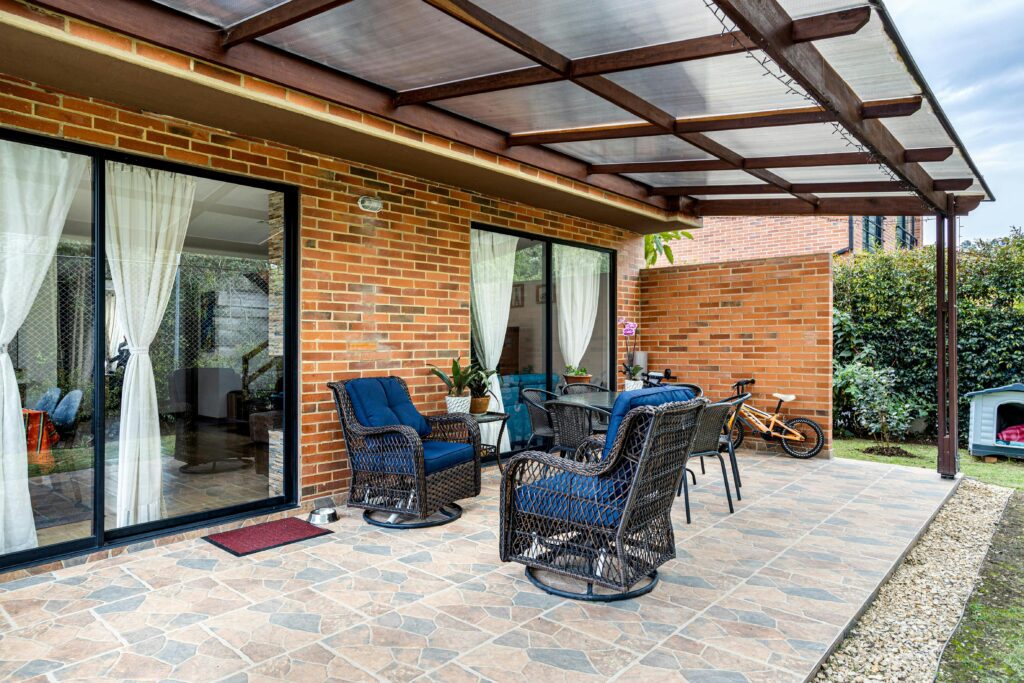
When Ann Arbor homeowners decide to upgrade their backyard, one question comes up almost every time: should I build a patio or a deck? Both create outdoor living space, both add value to your home, and both are popular choices across Washtenaw County. But they are fundamentally different structures with different costs, maintenance needs, lifespans, and performance profiles in Michigan’s climate. This guide breaks down everything you need to know so you can make the right call for your yard, your budget, and the way you actually use your outdoor space. Key Takeaways A patio sits at ground level on a solid surface — concrete, pavers, or stone. A deck is an elevated structure built from wood or composite material attached to the home Patios generally have a longer lifespan and require less ongoing maintenance than wood decks Decks work better for sloped yards or uneven terrain where a ground-level surface isn’t practical Michigan’s freeze-thaw cycles affect both structures differently — material choice matters as much as structure type Patios tend to cost less upfront; decks offer more flexibility in design and elevation Both add value to a Michigan home — the right choice depends on your yard, lifestyle, and long-term goals Michigan Rose Construction installs both patios and decks across Ann Arbor, Saline, Ypsilanti, and all of Washtenaw County Not sure which is right for your yard? Get a free consultation with Michigan Rose — we’ll walk your property and help you decide before you commit to anything. Click Here What Is a Patio? A patio is a ground-level outdoor surface installed directly on or just above the ground. It can be built from a variety of materials including concrete, brick pavers, natural stone, or stamped concrete. Because it sits at grade level, a patio works best on flat or gently sloping yards where the ground can be properly prepared and leveled. Patios are a permanent hardscape feature — they’re part of your landscape rather than an extension of your home’s structure. That distinction matters for permitting, maintenance, and longevity. What Is a Deck? A deck is an elevated platform typically built from wood, composite, or PVC decking material and attached directly to the home. It extends your indoor living space outward and is supported by posts and footings anchored into the ground. Decks are ideal for yards with significant slope or elevation changes where a ground-level patio would require extensive grading. They also create a natural transition between your home’s interior and the backyard — especially useful when the main floor sits above ground level. How Michigan’s Climate Affects Both Michigan’s freeze-thaw cycles, heavy snowfall, and humid summers create unique challenges for both patios and decks. Understanding how each holds up in this climate is critical before you choose. Patios in Michigan: Concrete and paver patios are generally well-suited to Michigan winters. Properly installed patios with good drainage and sealed surfaces can handle freeze-thaw cycles without major issues. The biggest risks are surface cracking from frost heave and water pooling if drainage isn’t addressed during installation. Decks in Michigan: Wood decks face a harder road in Michigan’s climate. Moisture, freeze-thaw movement, and UV exposure accelerate rot, warping, and structural deterioration. Composite and PVC decking materials perform significantly better, holding up against moisture and temperature swings without requiring annual staining or sealing. Patio vs. Deck: Side-by-Side Comparison Factor Patio Deck Structure Type Ground-level hardscape Elevated platform Best Yard Type Flat or gently sloped Sloped or uneven terrain Common Materials Concrete, pavers, stone Wood, composite, PVC Lifespan 25–50 years 15–30 years (wood) / 25–40 years (composite) Michigan Winter Performance Solid — good with proper drainage Moisture and freeze-thaw wear on wood Maintenance Required Low — seal every few years Higher for wood / Low for composite Permit Required Sometimes Almost always Design Flexibility Surface finishes, patterns Elevation, railings, multi-level Adds Home Value Yes Yes Patio vs. Deck: Which Is Better for Michigan Homes? Neither option is universally better — the right choice depends on your specific yard conditions, lifestyle, and priorities. Choose a Patio If… Your yard is flat or has minimal slope You want a low-maintenance outdoor surface that lasts decades You prefer a wider range of material and finish options — stamped concrete, natural stone, pavers You entertain frequently and want a large, open ground-level space Long-term durability in Michigan’s climate is your top priority Choose a Deck If… Your yard has a significant slope or drop-off from the home’s main floor You want a seamless extension of your indoor living space You need elevation for views, privacy, or access You’re interested in multi-level outdoor design You prefer the look and feel of wood or composite decking For most homeowners in Ann Arbor and Washtenaw County, a flat yard points toward a patio — and a sloped yard points toward a deck. But budget, aesthetics, and how you plan to use the space matter just as much as terrain. Learn more about Michigan Rose’s patio installation services in Ann Arbor and deck installation services in Michigan to explore both options in detail. What About Combining Both? Many Michigan homeowners choose to build both — a deck directly off the home for elevated outdoor dining, and a patio at ground level for a fire pit, lounge area, or garden space. This approach is especially popular on properties with natural grade changes and gives you the best of both structures. Michigan Rose designs and installs custom outdoor living spaces that combine decks, patios, pavers, pergolas, and fire pits into a single cohesive backyard. If you’re thinking bigger than just one structure, a full outdoor living consultation is a great place to start. Thinking about combining a deck and a patio? Schedule a free design consultation with Michigan Rose and let’s map out the full potential of your backyard. Click Here Why Ann Arbor Homeowners Choose Michigan Rose Construction Patio and deck installation is a key part of creating a durable and functional outdoor living space. Getting it right requires hands-on