How Much Does It Cost to Build a Garage in Michigan?
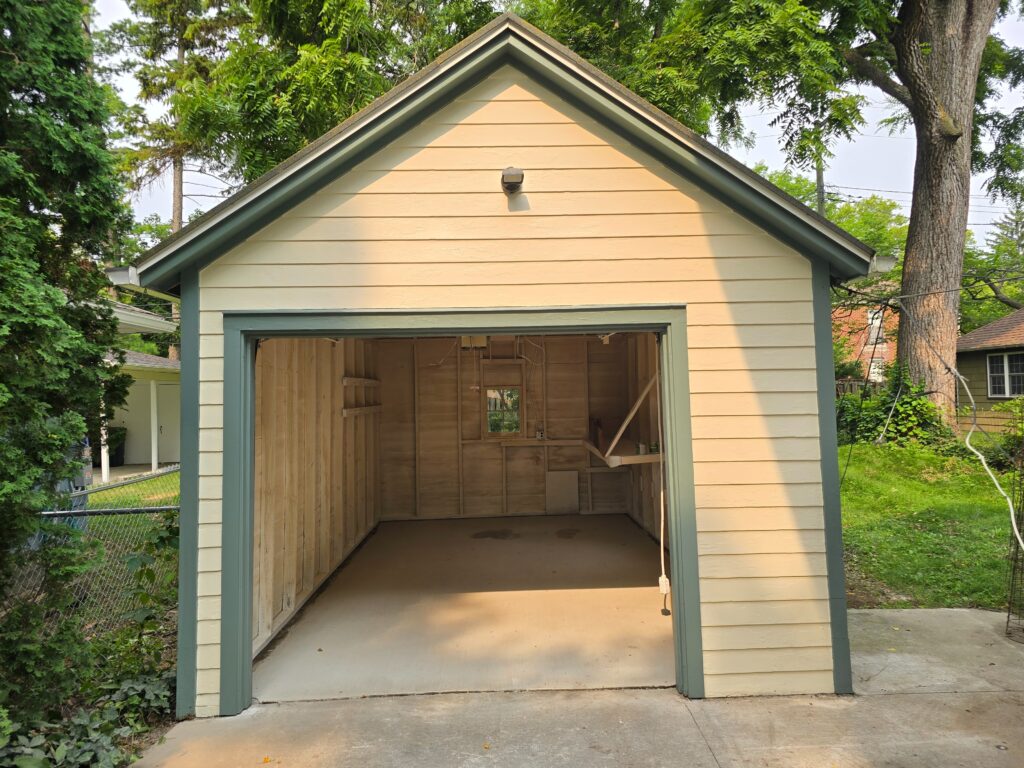
By Sean Kurtz, Founder — Michigan Rose Construction | LARA Licensed Residential Builder #262300264 Building a garage in Michigan can give your home more storage, parking, workspace, or even additional usable living space. But before starting a project, one of the first questions homeowners ask is: How much does it cost to build a garage in Michigan? There is no single price that applies to every garage project. The final cost depends on the type and size of the garage, foundation requirements, materials, interior finishes, electrical work, site conditions, and local permitting requirements. Whether you are replacing an aging garage, adding an attached garage, or converting an existing garage into living space, understanding the potential costs can help you plan your project and budget realistically. Key Takeaways Garage costs in Michigan vary based on size, materials, foundation requirements, site conditions, and project scope. Garage replacement starts at $75,000–$85,000+, depending on the condition of the existing structure and the new garage design. Attached garage additions start at $100,000+ because they may require structural connections, new foundations, roofing, electrical work, and exterior integration. Garage-to-living-space conversions start at $60,000–$75,000+ and may require insulation, HVAC, electrical, flooring, windows, and code-related upgrades. Michigan’s climate matters when planning a garage, particularly frost depth, freeze-thaw cycles, drainage, and foundation construction. Garage size and intended use affect the budget, especially when adding workshops, lofts, storage, or finished interiors. Permits, zoning, setbacks, and inspections should be considered early because requirements can vary by municipality. A professional property evaluation is the best starting point for determining the appropriate garage design and developing an accurate project estimate. Planning a Garage Project in Michigan? Whether you need to replace an aging garage, build an attached addition, or convert existing garage space into something more useful, understanding the project scope is the first step toward an accurate budget. Click Here Garage Construction Costs in Michigan Garage projects can vary significantly depending on the scope of work. Based on the current starting prices for these project types, homeowners can expect the following: Garage Project Starting Cost Garage Replacement $75,000–$85,000+ Attached Garage Addition $100,000+ Garage-to-Living-Space Conversion $60,000–$75,000+ These are starting prices, not guaranteed project totals. Your final garage construction cost will depend on factors such as square footage, structural requirements, materials, site conditions, finishes, electrical needs, and the complexity of the project. A professional evaluation of the property is the best way to determine what your specific garage project may require. What Determines the Cost of a Garage in Michigan? Several factors can affect the cost of garage construction or remodeling. Garage Size The size of your garage is one of the biggest factors affecting the overall project cost. A single-car garage requires fewer materials and less foundation work than a larger two- or three-car structure. Homeowners should also consider how the garage will be used. A garage designed only for vehicle storage may have different requirements than one that includes a workshop, extensive storage, or a loft. For example, Michigan Rose Construction notes that a functional two-car detached garage may start around 20×22 feet, while 24×24 feet is a common configuration for homeowners who want additional room for storage and workspace. Foundation Requirements Michigan’s climate makes the foundation an especially important part of garage construction. The state’s freeze-thaw conditions can cause soil to expand and contract throughout the year. Proper foundation planning helps the structure withstand these conditions. For detached garage construction, Michigan Rose builds foundations to the applicable Michigan requirements, including footings extending to a 42-inch frost depth for its projects. The foundation design may vary depending on the garage size, whether the structure includes a loft, soil conditions, drainage, and other site-specific factors. Materials and Exterior Finishes Your choice of materials also affects the total cost. Potential exterior components include: Roofing Siding Garage doors Windows Exterior trim Gutters and drainage Driveway or access improvements Some homeowners want their new garage to complement the existing house. Matching siding, roofing, trim, and other exterior details can require additional planning and materials. Interior Finishes A basic garage and a finished garage can have very different scopes of work. Depending on how you plan to use the space, you may want: Insulation Drywall Electrical outlets Lighting Additional electrical capacity Heating or cooling Flooring Storage systems Workshop equipment Defining these features before construction begins makes it easier to develop an accurate project scope and estimate. How Much Does Garage Replacement Cost in Michigan? For homeowners dealing with an aging or severely damaged structure, garage replacement starts at approximately $75,000–$85,000+. Replacement may make sense when a garage has significant structural problems that go beyond simple cosmetic repairs. Issues such as foundation deterioration, extensive water damage, structural damage, or an outdated layout can make rebuilding worth considering. Replacing the garage also gives you an opportunity to rethink the design. Instead of simply recreating the existing structure, you can consider: A larger footprint Additional storage Better vehicle access A workshop area Larger garage doors Improved electrical capacity A loft or additional storage space Exterior finishes that better complement the home If you are considering replacing an existing structure, an on-site evaluation can help determine whether remodeling or complete replacement makes more sense. How Much Does Garage Replacement Cost in Michigan? Michigan homeowners need to consider more than the appearance of a new garage. Freeze-thaw conditions, snow, moisture, drainage, and frost depth can all affect how a garage should be designed and constructed. A properly planned foundation, appropriate drainage, and materials suited to the local climate can help create a structure designed for Michigan conditions. Local zoning, setback requirements, permits, and inspections should also be considered before construction begins. Requirements can vary depending on the municipality and property. How Much Does an Attached Garage Addition Cost? An attached garage addition starts at approximately $100,000+. Attached garage additions can be attractive because they provide direct access between the garage and the home. However, adding a new structure to an existing house
Pergola vs. Gazebo vs. Covered Patio: Which Outdoor Structure Is Right for Michigan Backyards?
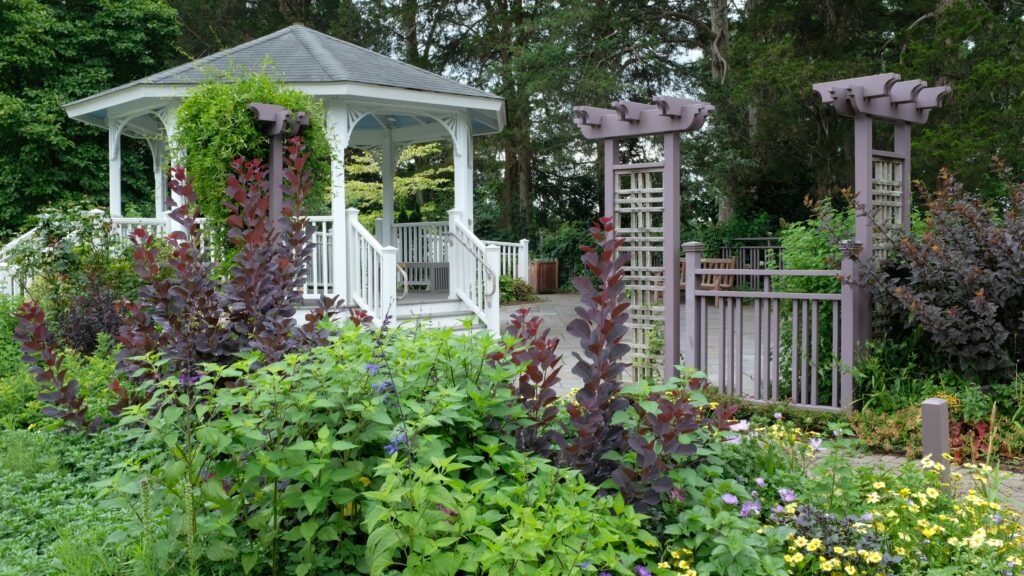
By Sean Kurtz, Founder — Michigan Rose Construction | LARA Licensed Residential Builder #262300264 All three give you shade and a place to gather outside. But only one is likely the right fit for your yard, your HOA, and a Michigan winter that can bury a backyard in snow for months. Here is how to tell them apart and choose with confidence. Key Takeaways Pergola: Lowest cost, fastest install, partial shade. Best for budget-conscious homeowners who want style. Gazebo: Full roof and a defined “destination” in the yard. Handles snow better than an open pergola. Covered patio: Highest investment, but the most usable space, the most weather protection, and typically the strongest resale appeal. Michigan winters matter: Solid roofs shed snow and keep the space dry. Open pergolas need proper footings and occasional snow clearing. Check permits and HOA rules first: Requirements vary by size, attachment to the home, and municipality. Not sure which fits? A free on-site consultation answers most questions quickly. What’s the Difference? A Quick Overview Pergola: An open lattice or slatted roof supported by posts. It provides partial shade, has a modern look, and is highly customizable in size, material, and style. Gazebo: A freestanding structure with a fully solid roof, usually octagonal or rectangular. It offers complete overhead cover and a defined “destination” spot in the yard. Covered patio or pavilion: A full roof attached to your home (patio) or a larger freestanding structure (pavilion). It offers the most protection and the most usable space. How Each Holds Up to Michigan Weather Michigan weather is the deciding factor for many homeowners, so start here. Snow load. A solid roof on a gazebo or covered patio is engineered to carry snow, and it keeps the space below dry. An open pergola sheds less weight because snow sits on the slats and rafters. A well-built pergola can handle Michigan snow, but it needs proper footings and sturdy framing, and heavy accumulation may need to be cleared. Wind and storms. Freestanding structures like pergolas and gazebos catch wind from every side, so anchoring matters. A covered patio attached to the house gets some shelter from the home itself and is tied into the existing structure. Winter prep. A pergola may need snow removal and occasional re-sealing of wood. A gazebo needs its roof and flashing checked each fall. A covered patio needs gutters and drainage kept clear so meltwater does not pool near the foundation. Planning for Michigan winters? Michigan Rose builds pergolas, gazebos, and covered patios engineered for our snow loads and freeze-thaw cycles. Call (734) 307-2019 for a free design consultation. Click Here Cost Comparison in Washtenaw County Exact pricing depends on size, materials, and site conditions, but the general pattern holds: Pergola: Typically the lowest material cost and the fastest installation. Gazebo: Mid-range. The solid roof and required foundation add complexity. Covered patio: Usually the highest investment, but it delivers the most usable space and year-round function. A free on-site estimate is the only way to get a firm number, since grading, drainage, and material choices change the total quickly. HOA and Permit Considerations for Ann Arbor Homeowners Before you fall in love with a design, check the rules. Permits. Requirements in Washtenaw County vary by structure size, whether it is attached to the home, and your municipality. Attached structures and larger roofed structures more commonly require permits than small open ones. Always confirm with your local building department. HOA rules. Many HOAs restrict freestanding structures by height, placement, materials, or color. Some require architectural review before any work begins. Get approval in writing first. Let a pro handle it. Michigan Rose handles permits for all outdoor structures, so you are not left decoding paperwork on your own. Which One Adds the Most Value to a Michigan Home? Outdoor living space consistently ranks high with buyers, and the Ann Arbor and Saline markets are no exception. In general: Covered patios tend to return the most value because they read as added living space and can be used in more seasons. Gazebos create a strong focal point and appeal to buyers who want a finished backyard. Pergolas offer a good return for the lower cost, especially when they define a dining or lounge area. Quality of construction matters as much as structure type. A well-built, well-maintained structure helps resale. A neglected one can hurt it. Which Structure Is Right for You? Entertaining large groups: Choose a covered patio or pavilion. You get the most space and the most protection from sun and rain. Budget-conscious buyers: Choose a pergola. It delivers style and partial shade at the lowest investment, and you can add retractable canopies or climbing plants later. A finished “room outside” feel: Choose a gazebo or covered patio. Both give full overhead cover and a sense of enclosure. Design Your Outdoor Structure with Michigan Rose The right structure depends on how you plan to use your yard, what your HOA allows, and how much winter durability you want built in. A pergola brings style on a budget, a gazebo creates a destination, and a covered patio adds true outdoor living space. If you are not sure which fits your property, a site visit answers most of the questions. Michigan Rose Construction has spent 15+ years helping homeowners throughout Washtenaw County, Ann Arbor, Saline, and Ypsilanti transform their backyards into beautiful, functional outdoor living spaces. As a fully licensed (License #2601230264), bonded, and insured residential builder, we deliver custom paver patio installations designed to enhance your home’s beauty, value, and long-term durability. Contact us today: License #: 26230264 Issued by: LARA License Type: Residential Builder Co. – Fully licensed, bonded, and insured Proudly serving Ann Arbor, Michigan, and surrounding communities with premium basement remodeling services since 2010. Our service area includes all of Friendly Neighborhoods in Michigan state. Note: All cost ranges are estimates and may vary based on specific project requirements, location, and market conditions. Contact MichRose Construction for a detailed quote for your
Fire Pit vs. Outdoor Fireplace: What’s Better for a Michigan Backyard?
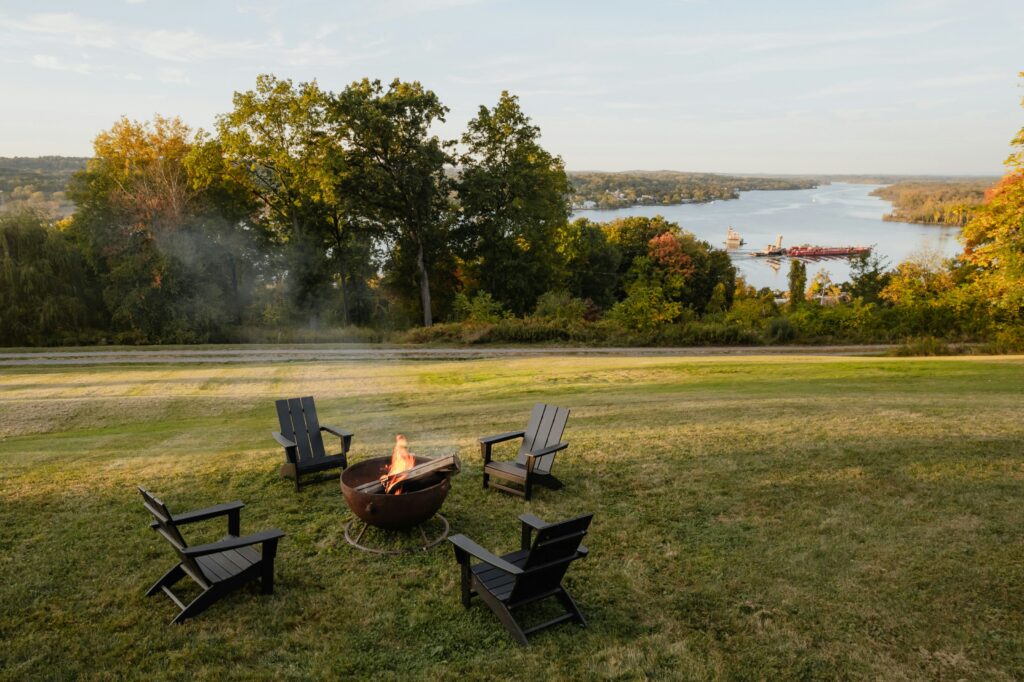
By Sean Kurtz, Founder — Michigan Rose Construction | LARA Licensed Residential Builder #262300264 Both create warmth and ambiance — but the right choice depends on your budget, yard size, and how you actually plan to use your outdoor space in Michigan. A fire pit and an outdoor fireplace serve the same basic purpose, but they deliver completely different experiences. Here’s what Michigan homeowners in Ann Arbor, Canton, Saline, and the surrounding Washtenaw County area need to know before committing to either. Key Takeaways Fire pits offer 360° social seating and flexible placement; outdoor fireplaces anchor a defined outdoor room with directional heat Outdoor fireplaces cost significantly more than fire pits, with wider installation complexity Michigan’s 42-inch frost line and freeze-thaw cycles affect masonry fireplace longevity more than poured concrete fire pits Both gas and wood-burning options are available for each feature — and gas wins for cold-weather convenience Washtenaw County permits are typically required for gas line work and permanent structures; Michigan Rose handles all permitting Planning a Fire Pit & Outdoor Living Space? Talk with Michigan Rose about creating the perfect outdoor living space for your Ann Arbor home, from custom fire pits and seating areas to patios, outdoor kitchens, and more. Click Here Fire Pit vs. Outdoor Fireplace: The Key Differences The fundamental difference comes down to orientation and formality. A fire pit is open on all sides. Everyone gathered around it has a clear view of the fire, which makes it the natural centerpiece for social, relaxed backyard setups. Fire pits can be built directly into a patio surface, set into a gravel zone, or positioned on a standalone pad. They work well in open yards and adapt easily to different seating configurations. An outdoor fireplace is directional. The fire is contained in a firebox with a chimney above, and the heat and visual focus project forward toward a seating area. That structure lends itself to a more defined outdoor room — the kind of space that feels like an extension of your interior living area. Both are available in gas and wood-burning configurations. Gas offers push-button convenience, consistent flame, and no ash management. Wood-burning delivers the authentic crackling fire experience many homeowners want, but requires more hands-on management — especially in Michigan winters. Cost Comparison in Michigan Fire pits carry a significantly lower entry point than outdoor fireplaces. A professionally installed fire pit in the Ann Arbor area whether stone, concrete block, or a prefab insert set into a custom surround typically runs from the mid-thousands up through the higher end of that range depending on materials, size, and whether a gas line is involved. Outdoor fireplaces represent a larger investment. Full masonry builds with brick or stone are at the top of the range. Prefab fireplace inserts installed inside a custom-built surround bring the cost down meaningfully, but they’re still a more involved project than most fire pit installations. If a gas line needs to be run to either feature, that adds to the overall project cost and requires a licensed gas contractor. Michigan Rose provides accurate project estimates after an on-site consultation — contact us to schedule yours. Permit Requirements in Washtenaw County Both fire pits and outdoor fireplaces can trigger permitting requirements depending on what’s involved. What typically requires a permit in Washtenaw County: Running a gas line to either feature Building a permanent masonry structure (outdoor fireplaces almost always qualify) Electrical work associated with lighting or ignition systems. Freestanding prefab fire pits without gas connections often fall below the permit threshold, but it’s always worth verifying with your local township or the City of Ann Arbor’s building department before installation begins. Setback requirements are another consideration. Most municipalities in Washtenaw County require fire features to be set back a minimum distance from structures, property lines, and overhead utilities. Those distances vary by jurisdiction. Michigan Rose Construction handles all permit applications, inspections, and code compliance for every fire feature project we install. You won’t need to navigate that process on your own. Which Pairs Better with Your Outdoor Space? The right fire feature depends on your yard layout and how you use the space. Fire pits work best for: Open patios with no dominant focal wall or structure Wide yards where seating can be arranged in a full circle Social setups where multiple people want equal sightlines to the fire Homeowners who want a more relaxed, informal outdoor feel Outdoor fireplaces work best for: Defined outdoor rooms with a clear front-facing orientation Covered patios or pergola structures where the fireplace becomes the anchor feature Homeowners who want a space that mirrors indoor living room dynamics Both fire features integrate naturally with paver patios and seating walls. A fire pit surrounded by a curved seating wall on a paver patio is one of the most popular outdoor living configurations we build in the Ann Arbor area. An outdoor fireplace flanked by built-in bench seating on a bluestone patio creates a completely different but equally compelling space. Maintenance and Longevity in Michigan Wood-burning fire pits require regular ash removal and periodic cleaning of the fire bowl. Stone and concrete surrounds should be resealed every one to two years to prevent moisture infiltration, which is particularly important given Michigan’s freeze-thaw cycles. Covering the feature in the off-season extends its lifespan significantly. Wood-burning outdoor fireplaces require all of the above, plus annual chimney inspection to check for creosote buildup and mortar integrity. The chimney cap should be inspected each fall before the first use of the season. Gas fire features both pits and fireplaces require an annual inspection of the burner assembly, gas valve, and ignition system. Gas connections should be checked for leaks. The decorative media (glass, lava rock, or ceramic logs) may need occasional repositioning or replacement. With proper care and Michigan-appropriate construction, a well-built fire pit or outdoor fireplace should serve your backyard for 15 to 25 years or more. Masonry structures that were built without proper footings or frost protection are
Extend Your Home’s Living Space Without Moving
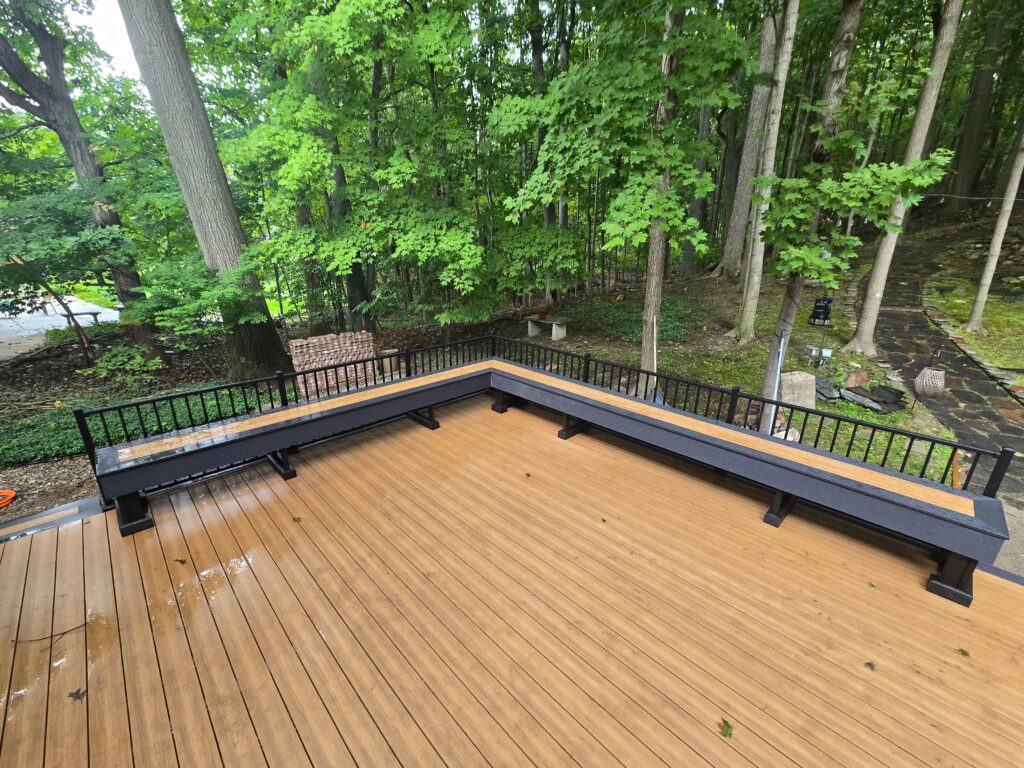
By Sean Kurtz, Founder — Michigan Rose Construction | LARA Licensed Residential Builder #262300264 Your family is growing, your home office doubles as a guest room, and the basement is still an unfinished concrete box. Selling sounds like the obvious fix, but if you have looked at Ann Arbor’s housing market lately, you already know the reality: limited inventory, bidding wars, and closing costs that eat into your budget before you even unpack. The good news is that you do not have to leave the home you have built to get the space you need. These five home expansion options let Michigan homeowners add livable square footage without listing their house. Key Takeaways Finishing a basement is the most cost-effective way to add significant square footage to a Michigan home, with most projects running $25,000 to $75,000. Room additions create permanent, year-round living space but carry the highest investment at $80,000 to $200,000 or more. Decks, patios, and pergolas expand usable space quickly and affordably, starting around $8,000. Garage conversions and bump-outs offer middle-ground options for homeowners who need targeted space without a full addition. Michigan Rose Construction handles all five expansion types under one roof, from consultation through final inspection. Planning a Home Addition? Talk with Michigan Rose about adding the space your Ann Arbor home needs, from new bedrooms and bathrooms to larger living areas and custom additions. Click Here Why Michigan Homeowners Are Expanding Instead of Moving Home prices across Ann Arbor and Washtenaw County have climbed steadily over the past several years, and desirable neighborhoods rarely see new listings sit for more than a few days. Factor in agent commissions, moving costs, and the price difference between your current mortgage rate and today’s rates, and the math often favors staying put. That is exactly why more homeowners in Michigan are choosing to add space to the home they already own. A well-planned expansion can deliver the square footage you need at a fraction of what a new purchase would cost, and you keep the neighborhood, the school district, and the equity you have already built. The question is not whether to expand. It is which option fits your home, your lot, and your budget. Option 1: Finish Your Basement A basement finish is often the most cost-effective way to add significant living space to a Michigan home. Most Ann Arbor houses already have a full basement footprint sitting below them, which means the shell, the foundation, and the roof are already paid for. You are essentially converting dead space into usable rooms. Finished basements work well as family rooms, home offices, guest bedrooms, workout areas, or a combination of all four. With proper insulation, moisture management, and egress windows, a basement can feel just as comfortable as the main level. Michigan homeowners typically invest between $25,000 and $75,000 for a full basement remodel, depending on the size and scope of the project. That investment also adds measurable resale value, since finished basements consistently rank among the highest-ROI home improvements. Learn more about Michigan Rose’s basement remodeling services. Option 2: Build a Room Addition When you need an entirely new room and your basement is already spoken for, a room addition gives you the space on your terms. Additions work best for adding a primary bedroom suite, a second bathroom, a dedicated home office, or a flexible bonus room that adapts as your family’s needs change. Room additions involve foundation work, framing, roofing, and tying into your home’s existing HVAC, electrical, and plumbing systems. The scope makes this one of the larger investments on the list, with most Michigan homeowners spending between $80,000 and $200,000 or more depending on size, layout, and finish level. Permits are required in Ann Arbor and throughout Washtenaw County. The tradeoff is worth it for many families. A room addition creates permanent, year-round living space that integrates seamlessly with the rest of the home. Michigan Rose handles full addition builds from design through final inspection. Option 3: Add a Deck or Outdoor Living Space Not every square foot of living space needs to be under a roof. A well-designed deck, patio, or pergola extends your home’s usable area into the yard, and during Michigan’s warmer months, outdoor rooms get as much use as anything inside. Decks and patios work as dining areas, entertaining spaces, and quiet retreats. Add a fire pit, an outdoor kitchen, or a screened-in section, and you have a space that functions from spring through fall. Some homeowners pair a covered pergola with heaters to stretch the season even further. Costs typically range from $8,000 to $35,000 depending on size, materials, and features. Compared to interior construction, outdoor living projects are faster to complete and generally require less permitting. The key is choosing materials and a design that hold up to Michigan’s freeze-thaw cycle. Composite decking, properly graded drainage, and frost-depth footings all matter here. Explore Michigan Rose’s deck installation services. Option 4: Convert Your Garage If your garage has become a storage catch-all rather than a parking space, converting it into a functional living area can be a smart move. Garage conversions work especially well for home offices, creative studios, in-law suites, or rental units in areas where local zoning allows it. The scope of a garage conversion depends on the structure’s current condition. At a minimum, you will need insulation, drywall, flooring, HVAC, and upgraded electrical. If you are adding plumbing for a bathroom or kitchenette, the cost increases. Most garage conversions in Michigan also require a building permit. Costs vary widely based on starting condition and intended use, but garage conversions typically fall between a basement finish and a full room addition in terms of investment. The advantage is that the footprint already exists, so you skip the foundation and framing costs that drive addition budgets higher. Option 5: A Bump-Out or Micro-Addition Sometimes you do not need an entire new room. You just need one existing room to be a little bigger. That is
How Much Does a Home Addition Cost in Ann Arbor, Michigan?

By Sean Kurtz, Founder — Michigan Rose Construction | LARA Licensed Residential Builder #262300264 Planning a home addition is an exciting way to create more space without leaving the neighborhood you love. But before construction begins, most homeowners have one major question: How much does a home addition cost? The answer depends on much more than the size of the new room. In Ann Arbor and throughout Washtenaw County, the cost of a home addition can vary based on the type of addition, foundation requirements, materials, labor, permits, structural changes, and the systems that need to be extended from your existing home. A small bump-out can be a very different project from a full bedroom suite or a new bathroom. Understanding what affects the budget can help you plan your project and avoid unexpected costs. Key Takeaways Home addition costs vary significantly depending on the size, type, design, materials, and condition of the existing home. Different additions have different requirements. Bedrooms, bathrooms, sunrooms, garages, and bump-outs can involve very different levels of structural and mechanical work. The visible room is only part of the project. Foundations, framing, roofing, permits, electrical, plumbing, HVAC, insulation, and interior finishes all need to be considered. Michigan’s climate matters. Frost protection, soil conditions, drainage, and seasonal weather can affect how an addition is designed and constructed. Local requirements matter. Permits and inspections can vary depending on whether the property is in Ann Arbor or another community within Washtenaw County. Online cost estimates are only starting points. They cannot account for the unique conditions of an individual home. An on-site evaluation provides a more accurate estimate. A contractor can identify structural, mechanical, site, and design considerations before construction begins. Michigan Rose offers a project-specific approach, helping Ann Arbor and Washtenaw County homeowners understand what their addition will actually require. The main takeaway: homeowners should get a detailed, property-specific estimate rather than relying on a generic online number. Planning a Home Addition? Talk with Michigan Rose about adding the space your Ann Arbor home needs, from new bedrooms and bathrooms to larger living areas and custom additions. Click Here Average Home Addition Cost in Ann Arbor There isn’t one standard cost for every home addition in Ann Arbor. Every property has different structural conditions, layouts, access requirements, and finishing preferences. The size of the addition is one of the first factors contractors consider, but it isn’t the only one. For example, a small bump-out may require less excavation and fewer materials than a full room addition. However, smaller projects can still have significant fixed costs because they may require design work, permits, structural modifications, and connections to the existing home. Larger additions may provide more space, but they can also involve: New foundations Structural framing Roof modifications New windows and exterior doors Electrical upgrades Plumbing HVAC extensions Insulation Drywall and interior finishes Exterior siding or masonry This is why online estimates for home addition cost in Ann Arbor, Michigan should be treated as general planning information rather than a final project price. The best estimate comes from evaluating the actual home and understanding exactly what the homeowner wants to build. Types of Home Additions and What Affects Their Cost Different types of additions come with different construction requirements. Bedroom Addition A bedroom addition can be a practical way to create more space for a growing family, guests, or a dedicated home office. A basic bedroom addition may involve framing, windows, insulation, electrical work, HVAC, drywall, flooring, and trim. The project can become more involved when the bedroom is part of a larger primary suite. Adding a walk-in closet, bathroom, custom storage, or upgraded finishes can introduce additional construction and mechanical requirements. Sunroom or Three-Season Room A sunroom or three-season room can add comfortable living space while creating a strong connection between the home and outdoors. The design and intended use of the room will affect the construction requirements. A three-season room may have different insulation and heating requirements than a fully conditioned four-season living space. Window selection, foundation type, electrical work, roofing, and exterior finishes can also influence the overall project. For Michigan homeowners, it is especially important to consider how the room will perform during cold winters and changing seasonal conditions. Bathroom Addition Bathrooms typically require more specialized work than a basic living-space addition. A new bathroom may require: Water supply lines Drain and waste plumbing Electrical circuits Lighting Ventilation Waterproofing Flooring and tile Fixtures Cabinetry Heating and cooling considerations The location of the new bathroom can also affect the project. Building near existing plumbing may simplify some of the work, while installing a bathroom farther from existing plumbing can require additional planning and construction. Garage Addition or Conversion A new garage addition involves more than simply constructing a covered structure. Depending on the design, the project may require foundation work, framing, roofing, electrical service, lighting, garage doors, insulation, and exterior finishes. Garage conversions have their own considerations. Converting an existing garage into finished living space may require insulation, HVAC, electrical upgrades, windows, drywall, flooring, and other improvements to bring the space up to the requirements for its intended use. Bump-Out Addition A bump-out is a smaller extension that increases the size of an existing room. For example, a homeowner might extend a kitchen, dining area, bathroom, or family room to gain additional usable space. Because the addition is smaller, it may involve less construction than a full addition. However, structural modifications, foundation work, roofing, exterior finishing, and connections to the existing home can still make a bump-out a significant project. What’s Included in a Home Addition Budget? When planning a home addition, it is important to look beyond the visible construction. A complete project can involve several stages and categories of work. Design and Engineering Depending on the scope of the addition, you may need architectural plans, structural engineering, site planning, or other professional services. Good planning at the beginning can help identify structural and design issues before construction starts. Permits and Inspections Home
Hardwood vs. Luxury Vinyl Plank: Which Flooring Is Better for Michigan Homes?

By Sean Kurtz, Founder — Michigan Rose Construction | LARA Licensed Residential Builder #262300264 Choosing new flooring can significantly change the appearance, comfort, and functionality of your home. Two of the most popular options for Michigan homeowners are hardwood and luxury vinyl plank, commonly known as LVP. Both materials can create the look of a beautiful, finished home, but they perform differently. Hardwood provides authentic natural character and long-term appeal, while LVP offers a durable, versatile surface designed to handle everyday wear and moisture. So, which flooring is better for your Michigan home? The answer depends on where you plan to install it, how your household uses the space, and how much maintenance you are comfortable with. Below, we’ll compare hardwood and luxury vinyl plank to help you make a more confident decision. Best Flooring Options for Michigan Homes Key Takeaways Hardwood offers natural beauty, long-term appeal, and the ability to be refinished. Luxury vinyl plank (LVP) provides strong everyday durability and is available in water-resistant and waterproof options. Michigan’s changing seasons and indoor moisture conditions can affect which flooring works best in different areas of the home. Hardwood is often well suited for living rooms, bedrooms, and dining spaces. LVP can be a practical option for kitchens, entryways, basements, and busy households with pets or children. The best choice depends on your home’s layout, lifestyle, maintenance preferences, and the room where the flooring will be installed. Planning a larger remodel? Ask our team how new flooring can be incorporated into your kitchen, basement, or whole-home renovation. Click Here Appearance and Style The Natural Appeal of Hardwood One of hardwood flooring’s biggest advantages is authenticity. Every plank has natural variations in grain, color, and texture, giving the floor a unique appearance that cannot be completely replicated. Hardwood can complement traditional, modern, rustic, and contemporary interiors. It can also be refinished over time, allowing homeowners to refresh the appearance or update the color as their design preferences change. For homeowners who value natural materials and a timeless look, hardwood can be an excellent choice. The Versatility of Luxury Vinyl Plank Luxury vinyl plank is designed to replicate the appearance of natural wood while offering a wide range of colors, textures, and plank styles. Modern LVP can create a convincing wood-inspired appearance and can be used throughout multiple rooms for a consistent design. Because there are many available styles, homeowners can choose flooring that complements both traditional and contemporary remodeling projects. Durability and Everyday Wear Both hardwood and LVP can perform well, but they respond differently to daily use. Hardwood is a durable material, but it can develop scratches and dents from pets, furniture, dropped objects, and heavy foot traffic. The advantage is that many hardwood floors can be refinished, allowing worn surfaces to be restored instead of completely replaced. Luxury vinyl plank is designed for everyday durability. It can be a practical option for active households with children or pets and for areas that experience frequent foot traffic. If your household is particularly busy and you want flooring that requires less concern about everyday scratches and spills, LVP may be the more practical option. However, if long-term restoration potential is important, hardwood offers an advantage because it can often be refinished during its lifespan. Water and Moisture Resistance Michigan homeowners should carefully consider moisture when choosing flooring. Snow, wet shoes, rainy weather, humidity, basement moisture, and everyday spills can all affect how flooring performs. Hardwood is sensitive to excessive moisture. Changes in humidity can also cause natural wood to expand and contract, making proper acclimation and professional installation important. Luxury vinyl plank is generally better suited for moisture-prone environments. Depending on the product, LVP may offer water-resistant or waterproof performance, making it a popular choice for areas where spills and moisture are more common. This does not mean that every LVP product is appropriate for every location. Homeowners should always review the manufacturer’s installation and maintenance requirements before selecting a specific flooring product. Maintenance and Cleaning Hardwood typically requires more careful maintenance than LVP. Dirt and grit should be removed regularly, spills should be addressed quickly, and excessive water should be avoided. LVP is generally easier to maintain for day-to-day living. Regular sweeping or vacuuming and cleaning according to the manufacturer’s recommendations can help maintain its appearance. For homeowners who want a lower-maintenance flooring option, LVP may be the better fit. Hardwood can require more attention, but many homeowners feel that its natural appearance and long-term durability are worth the additional care. National Wood Flooring Association installation and care guidance Which Flooring Is Better for Michigan’s Climate? Michigan experiences cold winters, warm summers, and changing humidity levels throughout the year. Indoor conditions, moisture exposure, and the location of the room can all influence flooring performance. Hardwood can perform beautifully in Michigan homes when properly selected, acclimated, installed, and maintained. However, homeowners should be aware that natural wood responds to changes in its environment. LVP offers greater flexibility in areas where moisture is more likely to be a concern. This makes it especially useful for entryways, kitchens, basements, and other areas where wet shoes, spills, or moisture may occur. The best solution is not always using one flooring material throughout the entire home. Many remodeling projects benefit from selecting flooring based on the needs of each individual space. Flooring Installation in Ann Arbor Best Rooms for Hardwood Flooring Hardwood can be an excellent choice for: Living rooms Dining rooms Bedrooms Hallways Main-level living spaces These areas typically have lower exposure to standing water and can benefit from hardwood’s warmth and natural character. Hardwood can also create a cohesive appearance throughout the main areas of a home, particularly when it is incorporated into a larger remodeling or whole-home renovation project. Best Rooms for Luxury Vinyl Plank Luxury vinyl plank can work well in: Kitchens Entryways Hallways Family rooms Basements Other high-traffic areas LVP can be particularly useful in spaces where durability and moisture resistance are priorities. For example, a kitchen floor must
What Counts as a Whole-Home Custom Build in Ann Arbor?

By Sean Kurtz, Founder — Michigan Rose Construction | LARA Licensed Residential Builder #262300264 A whole-home custom build is a renovation that reshapes your entire house at once, touching structure, layout, systems, and finishes rather than updating a single room. If you have been weighing whether your Ann Arbor home needs a full renovation or just a few isolated updates, understanding what a whole-home build actually involves will help you plan the right project from the start. Key Takeaways A whole-home custom build addresses structure, layout, and systems across the entire house, not just one room It differs from a room-by-room remodel by coordinating everything into a single plan and timeline Good candidates typically have outdated systems, multiple rooms needing work, or a layout that no longer fits their needs Michrose Construction manages the full process, from consultation through phased construction, for homeowners across Washtenaw County What Is a Whole-Home Custom Build? A whole-home custom build is a coordinated renovation that addresses the house as a single system rather than a series of unrelated rooms. Instead of remodeling a bathroom this year and a kitchen the next, a whole-home build tackles structural changes, layout adjustments, and system upgrades together, on one timeline, with one plan. This is different from a cosmetic refresh like new paint or countertops. A whole-home build often involves opening up walls, rerouting plumbing or electrical, adding square footage, and rethinking how the house flows from room to room. It is the approach homeowners take when several parts of the house need attention at the same time, or when the current layout no longer fits how the family actually lives. What’s Typically Included in a Whole-Home Build Every project looks a little different, but most whole-home custom builds include some combination of the following: Structural changes, such as removing load-bearing walls or reconfiguring room layouts Home additions to add square footage for a growing family or new function Full kitchen and bathroom overhauls Flooring replacement throughout the home for a consistent look Electrical, plumbing, and HVAC system upgrades Basement finishing to add usable living space Exterior and outdoor living updates, including decks and patios Many of these components can also be handled as standalone projects. If you are focused on one area right now, our bathroom remodeling, basement remodeling, and flooring installation pages walk through what each of those looks like on its own. A whole-home build simply brings several of these projects together under one coordinated plan. Whole-Home Build vs. Room-by-Room Remodel Whole-Home Custom Build Room-by-Room Remodel Scope Entire home, multiple systems One room or area at a time Timeline Longer, but consolidated into one project Shorter per project, spread over years Disruption More upfront, but happens once Repeated disruption with each new project Coordination Single design and construction plan Separate planning for each phase Long-term value Cohesive design and updated systems throughout Mismatched finishes and ages across rooms Room-by-room remodeling makes sense when budget or timing only allows for one project at a time. A whole-home build makes sense when you are ready to address the house as a whole and want everything to work together, from the finishes down to the mechanical systems. Already know which room needs attention first? Explore our bathroom, basement, or flooring services. Click Here Signs Your Ann Arbor Home Is a Good Candidate Many homes across Washtenaw County, including in Ann Arbor, Saline, Ypsilanti, Canton, and Plymouth, were built decades ago with layouts and systems that no longer match how people live today. A whole-home custom build tends to make sense if: Your electrical, plumbing, or HVAC systems are original or significantly outdated Multiple rooms need work at the same time rather than just one The current layout does not fit your family’s day-to-day needs You plan to stay in the home long-term and want to invest in it fully You are already planning one major renovation and want to evaluate the rest of the house while walls are open If several of these apply, tackling the home as a whole project often makes more sense than spacing out separate renovations over several years. What the Process Looks Like With Michrose Michrose Construction has been serving Washtenaw County homeowners since 2022, based in Saline with projects throughout Ann Arbor, Ypsilanti, Canton, and Plymouth. Our whole-home process generally follows four stages: Consultation — We walk through your home and goals to understand scope and priorities. Design — We put together a plan that addresses layout, systems, and finishes together. Permitting — We handle the permitting process required for structural and system changes. Phased Construction — Work is sequenced so your home stays as livable as possible throughout the project. Every project is licensed and backed by our craftsmanship and installation warranty, so you have a clear point of contact from the first walkthrough to the final walkthrough. Thinking about a full home renovation? Schedule a consultation with Michrose Construction to talk through your project and what a whole-home build could look like for your house. Click Here Michigan Rose Construction has spent 15+ years helping homeowners throughout Washtenaw County, Ann Arbor, Saline, and Ypsilanti transform their backyards into beautiful, functional outdoor living spaces. As a fully licensed (License #2601230264), bonded, and insured residential builder, we deliver custom paver patio installations designed to enhance your home’s beauty, value, and long-term durability. Contact us today: License #: 26230264 Issued by: LARA License Type: Residential Builder Co. – Fully licensed, bonded, and insured Proudly serving Ann Arbor, Michigan, and surrounding communities with premium basement remodeling services since 2010. Our service area includes all of Friendly Neighborhoods in Michigan state. Note: All cost ranges are estimates and may vary based on specific project requirements, location, and market conditions. Contact MichRose Construction for a detailed quote for your specific needs. Michigan Rose Construction serves homeowners across Metro Detroit, Ann Arbor, Grand Rapids, Traverse City, and throughout Michigan with expert deck construction and maintenance services tailored to our unique climate challenges. NameEmailPhoneAddress*Files & PhotosLead
Should You Repair or Replace Your Concrete Driveway in Michigan?
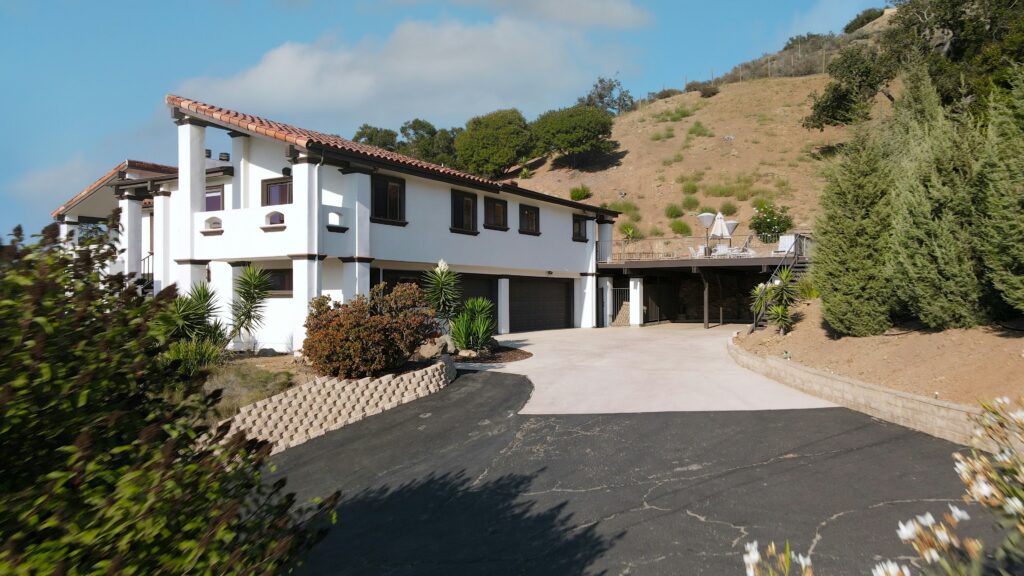
By Sean Kurtz, Founder — Michigan Rose Construction | LARA Licensed Residential Builder #262300264 A cracked, uneven, or deteriorating concrete driveway can leave homeowners wondering what to do next. Is a simple repair enough, or has the damage reached the point where replacement makes more sense? The answer depends on the type, extent, and cause of the damage. Small cracks and isolated surface problems may sometimes be addressed without replacing the entire driveway. However, widespread cracking, sinking sections, poor drainage, or repeated deterioration can indicate deeper problems that repairs alone may not solve. Michigan homeowners also face an additional challenge: the state’s changing weather. Freeze-thaw cycles, snow, ice, moisture, and seasonal ground movement can all contribute to concrete damage over time. This guide will help you understand when concrete driveway repair may be appropriate and when replacement could be the better long-term solution. Key Takeaways Small, isolated cracks may be repairable when the rest of the driveway is stable. Widespread cracking or repeated deterioration can indicate that replacement should be considered. Sinking and uneven concrete may point to underlying drainage, soil, or base problems. Michigan’s freeze-thaw cycles can make existing concrete damage worse over time. Identifying the cause of the damage is just as important as repairing the visible problem. A professional evaluation can help determine whether repair, partial replacement, or full replacement is the best option. First, How Bad Is the Damage? Before deciding between repair and replacement, take a closer look at the condition of your driveway. Not every crack means the entire surface needs to be removed and replaced. Some common signs of concrete driveway damage include: Hairline or small surface cracks Large or widening cracks Multiple cracks across the driveway Sunken or uneven sections Crumbling or flaking concrete Pitting or surface deterioration Water pooling in certain areas Sections that have separated or shifted The key question is not simply, “Is my driveway cracked?” Almost all concrete can develop some degree of cracking over time. Instead, consider how widespread the damage is and whether the underlying structure of the driveway remains stable. A single small crack is very different from a driveway with multiple damaged sections, movement, and drainage problems. When Concrete Driveway Repair May Be Enough In some situations, repairing the affected area may be a reasonable option. This is often the case when the damage is limited and the rest of the driveway remains structurally sound. Small or Isolated Cracks Minor cracks that are limited to a small area may sometimes be repaired or sealed to help prevent water from entering the concrete. Addressing smaller cracks early can be especially important in Michigan. Moisture can enter an opening, freeze during colder temperatures, expand, and potentially make the damage worse over time. Minor Surface Damage Some driveways develop surface-level wear, flaking, or small areas of deterioration without significant structural problems underneath. If the base and surrounding concrete remain stable, a targeted repair may be possible depending on the condition of the driveway. One Localized Problem Area Sometimes damage is limited to one section because of a specific issue, such as localized settling or impact damage. In these cases, a professional may determine that addressing the affected section is more practical than replacing the entire driveway. However, it is important to identify what caused the damage in the first place. Not sure if your concrete driveway can still be repaired? Michigan Rose Construction can help evaluate the condition of your driveway and discuss the most appropriate solution for your home. Click Here When Replacing Your Concrete Driveway May Be the Better Option Repairs can be helpful in the right situation, but they are not always a long-term solution. If damage is widespread or continues to return, replacement may be worth considering. Cracks Are Widespread Multiple cracks throughout the driveway can indicate that the problem goes beyond one isolated area. Repairing individual cracks may improve the appearance temporarily, but it may not address underlying issues affecting the driveway. If cracking continues to spread across multiple sections, replacement may provide a more complete solution. Sections Are Sinking or Uneven A driveway that has begun sinking, shifting, or becoming uneven may have problems beneath the concrete. Potential causes can include soil movement, poor drainage, erosion, or issues with the supporting base. Simply repairing the visible concrete without addressing the cause may result in the problem returning. Uneven concrete can also create trip hazards and make it more difficult to use the driveway comfortably. The Concrete Is Severely Deteriorated Concrete that is crumbling, extensively flaking, or breaking apart may have reached the point where surface repairs offer limited results. When deterioration affects large portions of the driveway, replacement can provide an opportunity to address the existing surface and evaluate the base and drainage conditions underneath. You Have Already Repaired It Multiple Times Repeated repairs can be a sign that the underlying issue has not been resolved. If you find yourself fixing new cracks or damaged sections regularly, it may be time to step back and evaluate the overall condition of the driveway instead of continuing to make isolated repairs. How Michigan Weather Affects Concrete Driveways Michigan weather can be particularly tough on outdoor concrete. During freeze-thaw cycles, water can enter small cracks and openings in the concrete. When temperatures drop, that water freezes and expands. As temperatures rise, the ice melts. Repeated cycles can gradually widen cracks and contribute to additional deterioration. Other factors that can affect concrete include: Snow and ice accumulation Spring snowmelt Standing water Seasonal soil movement Moisture beneath the concrete Deicing products Rapid temperature changes This is why a small problem should not always be ignored. Addressing drainage and visible damage early may help prevent more significant issues later. If your driveway regularly collects water or shows worsening cracks after winter, it may be worth having the condition evaluated before the damage spreads further. Repair vs. Replacement: How to Decide Repair may be worth considering when: Damage is small and isolated. Most of the driveway remains
Best Flooring Options for Michigan Homes: Hardwood, LVP, Tile & More

By Sean Kurtz, Founder — Michigan Rose Construction | LARA Licensed Residential Builder #262300264 Choosing the right flooring for your Michigan home is about more than finding a style you like. Your flooring needs to handle everyday foot traffic, changing temperatures, moisture, pets, children, and the specific needs of each room. From timeless hardwood to durable luxury vinyl plank and moisture-resistant tile, homeowners have more options than ever. The best choice depends on where the flooring will be installed, how your family uses the space, and the level of maintenance you are comfortable with. Whether you are remodeling your entire home or updating a single room, understanding the advantages of each flooring material can help you make a more confident decision. Key Takeaways Hardwood offers a timeless, natural appearance and works well in many living spaces. Luxury vinyl plank is durable, versatile, and suitable for many high-traffic and moisture-prone areas. Tile is an excellent option for bathrooms, kitchens, entryways, and other areas exposed to moisture. Laminate can provide a practical wood-inspired appearance for lower-moisture spaces. Michigan’s changing seasons and humidity make proper material selection and installation important. The best flooring choice may vary from room to room. A professional can help determine which flooring materials best fit your home’s needs and remodeling goals. Hardwood Flooring: Timeless and Naturally Beautiful Hardwood remains one of the most popular flooring options for homeowners who want a classic and long-lasting appearance. Natural wood can add warmth and character to living rooms, dining rooms, bedrooms, and other main living spaces. One of the biggest advantages of hardwood flooring is its versatility. It can complement traditional, modern, rustic, and contemporary home designs. Hardwood can also be refinished over time, making it a strong option for homeowners looking for a flooring material with long-term potential. However, hardwood may require more care than some alternatives. Excessive moisture can cause damage, so it may not be the best choice for bathrooms or areas with frequent water exposure. Michigan homeowners should also consider how seasonal changes in temperature and humidity can affect natural wood. Hardwood may be a great option if you want: A timeless and natural appearance Flooring for living rooms, bedrooms, or dining areas Long-term durability The ability to refresh the floor through refinishing Ready to update your home’s flooring? Contact Michigan Rose Construction to discuss your project and find the right flooring solution for your Michigan home. Click Here Luxury Vinyl Plank: Durable and Versatile Luxury vinyl plank, often called LVP, has become a popular flooring choice for modern homes. It can provide the appearance of natural hardwood while offering strong resistance to everyday wear and moisture. LVP is particularly useful in active households. It can be a practical choice for homes with children, pets, or high-traffic areas. Many homeowners also choose luxury vinyl plank for kitchens, entryways, basements, and other spaces where moisture resistance is important. Another advantage is consistency. Luxury vinyl plank can be installed throughout multiple rooms to create a cohesive look while providing a durable surface that is easier to maintain than some natural materials. LVP may be a good choice for: Kitchens Living rooms Hallways Entryways Basements Homes with pets and children If you are planning a larger renovation, luxury vinyl plank can also work well as part of a kitchen, bathroom, or whole-home remodeling project. Tile Flooring: Ideal for Moisture-Prone Areas Tile is one of the most durable flooring options available and is especially well suited for areas exposed to water and moisture. Bathrooms, laundry rooms, entryways, and kitchens are common places where tile flooring can be an excellent choice. Tile is available in a wide variety of colors, sizes, patterns, and finishes, allowing homeowners to create anything from a clean, modern appearance to a more traditional design. Porcelain and ceramic tile are popular options because they are durable and relatively easy to maintain. However, installation requires proper preparation to create a level, stable surface. Tile may be the right choice if you need flooring that can handle: Moisture and spills High foot traffic Muddy shoes and wet entryways Bathrooms and laundry rooms A wide range of design styles Laminate Flooring: A Practical Alternative Laminate flooring can provide the appearance of wood or other natural materials while offering a durable surface for everyday use. Modern laminate products have improved significantly in appearance, making them an option worth considering for bedrooms, living areas, and other lower-moisture spaces. However, not all laminate flooring performs the same way around water. Homeowners should carefully consider the specific product and the room where it will be installed. Laminate can be a practical option for homeowners looking for: A wood-inspired appearance Durable everyday flooring Easy maintenance Flooring for bedrooms and living spaces What Is the Best Flooring for Michigan’s Climate? Michigan experiences significant seasonal changes, from cold winters to warm and humid summers. While your home’s heating and cooling system helps regulate indoor conditions, flooring materials can still react differently to temperature and humidity changes. Natural hardwood can expand and contract as humidity levels change, making proper installation and acclimation important. Luxury vinyl plank and tile can offer greater moisture resistance, making them practical choices for certain areas of the home. Basements also require special consideration. Because below-grade spaces can experience higher moisture levels, homeowners should select flooring materials designed for those conditions. The best flooring for a Michigan home is not necessarily one material used everywhere. Many homeowners choose different flooring based on the needs of each room. How to Choose Flooring for Each Room Living Rooms and Bedrooms Hardwood, LVP, and laminate can all work well in living rooms and bedrooms. Your decision may depend on whether you prioritize natural materials, durability, or ease of maintenance. Kitchens Kitchens experience frequent foot traffic, spills, and dropped items. Luxury vinyl plank and tile are often strong options because of their durability and moisture resistance. Bathrooms Bathrooms require flooring that can handle moisture. Tile is a popular choice, while certain waterproof flooring products may also be appropriate.
The Custom Home Building Process in Michigan, Step by Step
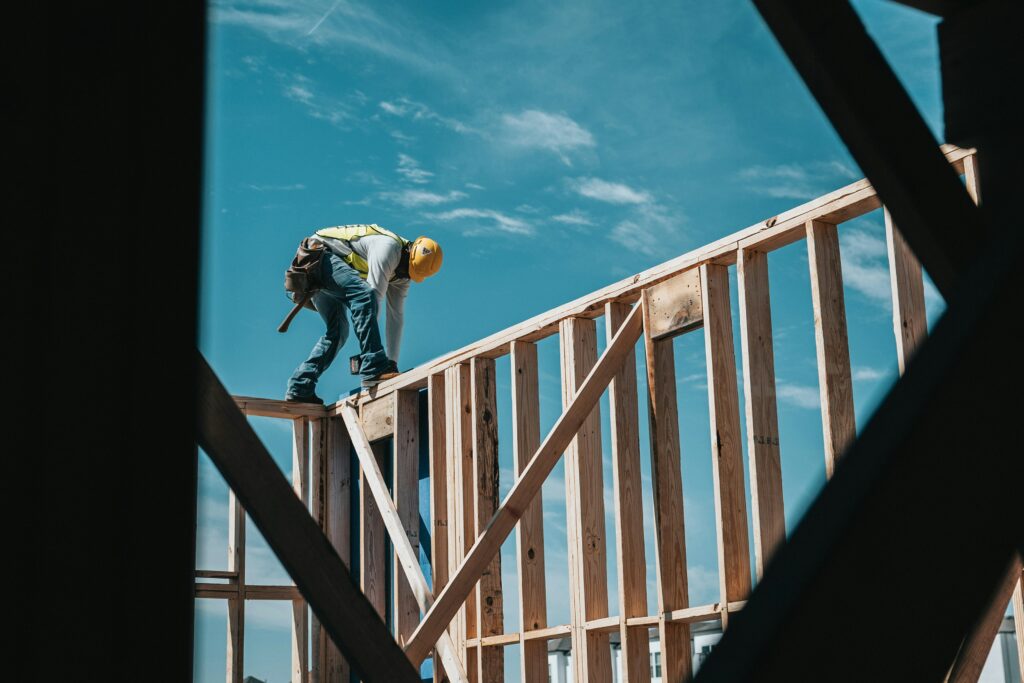
By Sean Kurtz, Founder — Michigan Rose Construction | LARA Licensed Residential Builder #262300264 Key Takeaways Building a custom home in Michigan moves through eight defined stages, from the first consultation to the final walkthrough. Almost every decision that affects your budget and schedule gets made before ground is broken, during design and selections. Your builder should pull all permits and coordinate every inspection on your behalf, not hand that job back to you. Michigan’s frost depth, freeze-thaw cycle, and short pour window shape the schedule in ways national timelines do not account for. Confirm your builder holds a current LARA residential builder license and carries insurance before you sign anything. How the Custom Home Building Process Works Building a custom home in Michigan follows eight stages: consultation and feasibility, design and selections, permitting, site work, foundation, framing and dry-in, mechanical rough-ins with inspections, and interior finishes ending in a final walkthrough. Most projects run somewhere between ten and fourteen months from first meeting to move-in, depending on the size of the home, the condition of the lot, and how the schedule lands against Michigan winter. Below is the actual order of operations we follow on every build across Ann Arbor, Saline, Ypsilanti, and the rest of Washtenaw County. Ready to Build Your Custom Home in Michigan? From initial planning and design to permits, construction, and final completion, Michigan Rose Construction can guide you through every step of building your custom home. Click Here Step 1: Consultation and Feasibility Review Everything starts with a conversation about what you want and where you want it. We come out, walk the property, and look at the things that determine whether a plan is realistic: access for equipment, grade and drainage, utility locations, setback requirements, and whether the lot needs a well and septic system or connects to municipal service. This is also where honest scope conversations happen. It is far easier to adjust a footprint on paper than to discover a problem after excavation, so if a lot has a constraint, you should hear it in week one. Step 2: Design and Selections Next comes the floor plan, elevations, and material selections. This stage takes longer than most homeowners expect, and that is a good thing. Layout, window placement, ceiling heights, cabinetry, flooring, fixtures, siding, and roofing all get decided here. Changes made during design cost you a revision. Changes made during construction cost you a change order and lost days. Step 3: Permits and Approvals Once drawings are final, permits get pulled. Depending on your municipality this can include building, electrical, mechanical, plumbing, zoning, and in rural areas a septic permit from Washtenaw County. Some neighborhoods add an HOA review on top of that. We handle all permitting on your behalf. Approval timelines vary by jurisdiction, and building in Ann Arbor is not the same as building in a township. Step 4: Site Preparation and Excavation With permits in hand, the site gets cleared, staked, and excavated. Topsoil is stripped and stockpiled, the foundation footprint is dug, and drainage is established. Good site work is invisible in the finished home and catastrophic when done badly, because water management problems show up years later. Step 5: Foundation Footings are poured below the frost line, walls go up, and the foundation is waterproofed and backfilled. In Michigan this step is genuinely climate driven. Footing depth requirements exist because frost movement will crack a shallow foundation, and cold weather pours require additives and protection to cure correctly. This is also the point to finalize whether the basement will be finished now or later, since rough plumbing and egress window placement are much cheaper to plan than to retrofit. Step 6: Framing and Dry-In Framing is the stage where the house becomes recognizable. Walls, floor systems, and roof trusses go up, then sheathing, roofing, windows, and exterior doors close the structure in. Reaching dry-in is a real milestone, because interior work can continue regardless of weather from that point forward. Step 7: Rough-Ins and Inspections Electrical, plumbing, and HVAC systems get installed inside open walls, followed by insulation and drywall. Each trade triggers its own inspection, and the sequence cannot be shortcut, because inspectors need to see the work before it gets covered. We coordinate every inspection and schedule trades so nobody is waiting on anybody else. This is where an organized builder saves you weeks that a disorganized one loses. Step 8: Interior Finishes, Final Walkthrough, and Warranty Paint, trim, flooring, cabinetry, countertops, fixtures, and hardware go in, followed by final grading, driveway, and landscaping outside. Then we walk the home with you, room by room, and build a punch list of anything that does not meet standard. Sean personally handles the final walkthrough on every project. The job is not finished when the last trade leaves, it is finished when you are satisfied. All labor is backed by a one year warranty covering craftsmanship and installation. What Makes a Michigan Build Different Three things separate a Michigan build from a generic national timeline. Frost depth dictates foundation design. The freeze-thaw cycle punishes concrete and drainage shortcuts. And the pour window closes early, which means the sequence you start in September is not the sequence you start in April. A builder who works in Washtenaw County year round plans around all three from the start. Ready to Start Planning Your Build? Michigan Rose Construction is a licensed, family-owned general contractor based in Saline, building homes across Ann Arbor, Ypsilanti, and Washtenaw County since 2022. We are fully insured and a member of the Builders and Remodelers Association of Greater Ann Arbor. Schedule your free design consultation and we will walk you through every step of your custom build. Call (734) 307-2019 or request a consultation online. Ready to Plan Your Michigan Home Addition? A successful home addition starts with careful planning. Our experienced team can guide you through design, budgeting, permits, and construction from start to finish. Click Here Michigan Rose Construction has