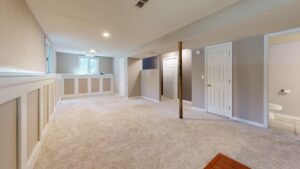
Integrating smart home technology into your basement remodel can transform an underutilized space into a modern, comfortable, and highly functional part of your home. Whether you’re creating a home theater, guest suite, home office, fitness room, or entertainment area, smart technology allows you to improve convenience, security, energy efficiency, and overall enjoyment.
From automated lighting and climate control to smart security systems and whole-home entertainment, today’s technology makes it easier than ever to customize your basement to fit your lifestyle. This guide explores the best smart home features to consider during your basement remodeling project and how they can increase the value and functionality of your home.
Key Takeaways
- Smart climate control automatically manages Michigan’s humidity and temperature extremes
- Intelligent lighting systems reduce energy costs while creating perfect ambiance
- Automated moisture monitoring prevents mold and protects your investment
- Motion sensors and smart bulbs eliminate dark stairways and forgotten lights
- Wi-Fi connectivity challenges require mesh networks or powerline adapters in basements
- Professional installation during renovation ensures proper infrastructure for future devices
- Energy monitoring can reduce basement electricity usage by 30-40%
- Voice-controlled entertainment systems transform basements into sophisticated living spaces
Why Smart Technology Changes Everything for Basement Remodels?
Energy efficiency drives most smart home adoption. Basements waste tremendous energy through poor climate control and forgotten lighting. Smart systems learn usage patterns and adjust accordingly. Heat empty spaces less. Light unused areas never. You can also learn more on this article.
Michigan basements face unique challenges. Where on one hand humid summers create moisture problems that destroy finishes and furniture, colder temperatures make lower areas even more difficult to live in.
But, Smart climate control handles both extremes without human intervention.
Lighting is another important factor that transforms basement atmospheres completely. Poor illumination makes any space feel unwelcoming. Smart systems create perfect ambiance for any activity while cutting electricity costs dramatically.
Ready to modernize your basement?
Contact Michigan Rose Construction for smart renovation solutions.
Must-Have Smart Features for Basement Renovations
Intelligent Lighting Systems
Motion sensors eliminate fumbling for light switches on basement stairs. Automated dimming creates perfect movie-watching environments and the scheduled lighting mimics natural daylight patterns.
Smart bulbs cost more upfront but last longer and use less electricity. Their color-changing capabilities let you match lighting to activities. Bright white for work, warm yellow for relaxation, colored themes for parties.
Climate Control That Works
Standard thermostats fail in basements due to temperature differences across the floors. Smart systems learn these patterns and compensate automatically.
Another problem that is commonly seen in basements is mold and honestly, nobody wants to deal with it. So to avoid that, you can get a dehumidifier that automatically adjusts itself based on the dampness of the area. Makes a huge difference in keeping everything at the right moisture level.
Comprehensive Security Solutions
Window sensors monitor basement entry points that homeowners often overlook. Door contacts track access to finished basement spaces. Motion detectors distinguish between family members and intruders.
Smart cameras provide visual confirmation of alerts. Modern systems avoid false alarms while maintaining security. Phone notifications let you check basement activity from anywhere.
Entertainment Integration
Voice commands control multiple systems simultaneously. Say “movie time” and lights dim, temperature adjusts, and sound system activates. Gaming modes optimize settings for interactive entertainment. Everything responds to single commands.
Automated Window Coverings
Privacy control becomes important when basements become living spaces. Smart blinds and curtains operate on schedules or voice commands. Open for natural light during day, close for privacy at night.
Motorized window treatments look expensive but cost less than expected. Installation during renovation hides wiring and provides a clean finished appearance.
Michigan-Specific Automation Solutions
Basement Office Optimization
Working from home requires professional environments. Smart lighting adjusts throughout the day to reduce eye strain. Temperature control maintains comfort during long work sessions.
Noise reduction systems filter out household sounds from upstairs. Important for video calls and concentration. Smart speakers can also generate white noise or nature sounds for focus.
Entertainment Room Automation
Home theaters benefit enormously from integrated control. Lighting scenes match content types—bright for sports, dimmed for movies, colored for gaming. Temperature drops automatically before groups gather.
Smart furniture exists but remains expensive. Motorized recliners and adjustable tables add luxury but aren’t necessary for good automation systems.
Moisture and Humidity Management
You know how it is in Michigan, your basement’s always got moisture issues. Doesn’t matter if it’s spring with all that melting snow, summer when it’s so muggy you can barely breathe, or fall when the temperature’s all over the place. Your poor basement takes a beating.
These days you can get sensors that keep track and they’ll watch the humidity levels, check the temperature, and even test how clean the air is.
Energy Monitoring and Control
Basement workshops and hobby areas often contain power-hungry equipment. Smart outlets monitor usage and can shut off forgotten devices automatically.
Phantom power drawn from entertainment systems adds up quickly. Smart power strips eliminate standby consumption while maintaining device settings and memories.
Transform your basement with smart technology.
Schedule your consultation with Michigan Rose Construction.
Planning Smart Integration During Renovation
Timing matters enormously for smart home integration. Install wiring and networking infrastructure before finishing walls. Add smart devices after construction but before final cleanup.
Essential Infrastructure Planning
Electrical planning requires extra outlets and dedicated circuits for some smart devices. Low-voltage wiring for sensors and networking needs planning alongside standard electrical work.
Wi-Fi coverage often fails in basements. Concrete and metal interference require careful planning. Mesh networks or dedicated access points solve connectivity problems.
Device compatibility prevents future headaches. Stick with major platforms like Alexa, Google, or Apple HomeKit. Avoid proprietary systems that might not integrate with future purchases.
Professional vs. DIY Installation
Professional installation makes sense for complex systems. Electricians familiar with smart home technology can plan infrastructure properly. DIY installation works for simple devices but risks problems with complex integration.
Budget for smart technology during renovation planning. Costs vary widely based on features and integration complexity. Basic automation costs less than full integration but provides fewer benefits.
Smart basement renovation creates spaces that rival any room in your house. Proper planning during construction provides the foundation for technology that makes basements actually enjoyable to use.
Common Challenges & How to Overcome Them
Wi-Fi Connectivity Issues
Basement Wi-Fi connectivity presents the biggest obstacle to successful smart home planning. Concrete foundations and metal ductwork block wireless signals. Upper-level routers often provide insufficient coverage for basement automation ideas.
Wi-Fi coverage in basements can be pretty spotty with just a regular router. Mesh systems work way better because they use several smaller units spread around the house instead of trying to blast signals from one spot. The key is placing those units in the right spots so all the smart devices down there actually stay connected.
Powerline adapters offer alternative connectivity when Wi-Fi signals remain weak. These devices use existing electrical wiring to transmit internet signals. Smart basement lighting and other devices connect reliably through powerline network extensions.
Ethernet wiring provides the most reliable basement connectivity. Professional installation during renovation ensures optimal cable placement. Wired connections support demanding applications like security cameras and streaming entertainment systems.
Power and Outlet Accessibility
Standard basement electrical systems lack sufficient outlets for comprehensive automation. Smart thermostat for basement installation requires dedicated wiring. Multiple devices need individual power sources for optimal performance.
Basement wiring for smart tech requires strategic outlet placement. Motion sensors for basement areas need power near entry points. Smart lighting automation systems require switches and outlets in convenient locations.
Circuit capacity affects smart device installation. Some of those bigger smart home gadgets, especially the heating and cooling stuff, really suck up the power.
You can’t just plug them into any old outlet. They need their own dedicated line. Best to have an electrician come out and figure out exactly how much juice everything’s going to need. Sometimes they’ll even have to upgrade your whole electrical panel to handle it all.
USB outlets provide convenient charging for smart device batteries. Built-in USB ports eliminate adapter plugs and provide cleaner installations. Planning outlet types during renovation prevents future accessibility problems.
Don't wait for water damage
Get expert waterproofing from Michigan Rose Construction today.
Choosing the Right Technology
Budget constraints affect smart home technology selection. Basic basement automation ideas start with simple devices like smart plugs and bulbs. Advanced systems including humidity control and comprehensive security cost significantly more.
Space requirements influence device selection. Large basements benefit from zoned smart temperature control systems. Smaller spaces work well with single-zone solutions and targeted basement lighting control.
Compatibility between devices prevents integration problems. Stick with major platforms supporting multiple device manufacturers. Amazon Alexa, Google Assistant, and Apple HomeKit offer broad device compatibility.
Future expansion needs affect initial technology choices. Scalable systems allow gradual addition of new devices. Proprietary systems may limit future basement automation options.
Protect your outdoor kitchen investment.
Contact Michigan Rose Construction for a free estimate.
Ensuring Smart Technology Security
Smart security for basements extends beyond physical monitoring to cybersecurity protection. Default passwords on smart devices create vulnerability to hacking attempts. Change all default passwords immediately after installation.
Strong password creation uses a combination of letters, numbers, and symbols. Unique passwords for each device prevent widespread access if one device becomes compromised. Password managers simplify strong password creation and storage.
Two-factor authentication adds security layers to smart home accounts. Enable 2FA on all smart device apps and accounts. SMS or authenticator app verification prevents unauthorized access even with compromised passwords.
Network encryption protects data transmission between smart devices and controllers. WPA3 encryption provides the strongest protection for home networks. Regular router firmware updates maintain security against new threats.
Device firmware updates patch security vulnerabilities discovered after manufacture. Enable automatic updates when available. Regular manual checks ensure devices receive the latest security patches.
Guest network separation isolates smart devices from personal computers and phones. Separate networks prevent smart device vulnerabilities from affecting other home network devices.
Getting Professional Help With Michigan Rose Construction
Our Michigan-Focused Expertise
- 15+ years of specialized experience with Michigan homes and Businesses.
- Deep understanding of local building codes and climate requirements
- Award-winning design-build services
- Comprehensive project management
- Transparent pricing and detailed quotes
- Industry-leading warranty coverage
Final Words
Adding smart home tech to a Michigan basement remodel really changes the whole game. Instead of just fixing up the space, you’re creating something that actually works with the crazy weather we get here. These systems help keep energy costs down and make the place more secure too.
Putting money into basement automation pays off down the road. The energy savings add up over time, and everything just works better. The nice thing about today’s smart systems is they can grow with you. Start with the basics and add more stuff as you go.
Contact us today:
License #: 26230264
Issued by: LARA
License Type: Residential Builder Co. – Fully licensed, bonded, and insured
Proudly serving Ann Arbor, Michigan, and surrounding communities with premium basement remodeling services since 2010. Our service area includes all of Friendly Neighborhoods in Michigan state.
Note: All cost ranges are estimates and may vary based on specific project requirements, location, and market conditions. Contact MichRose Construction for a detailed quote for your specific needs.
Michigan Rose Construction serves homeowners across Metro Detroit, Ann Arbor, Grand Rapids, Traverse City, and throughout Michigan with expert deck construction and maintenance services tailored to our unique climate challenges.
We do not share any client data with third parties. Your personal information is kept confidential and is not disclosed to any outside organizations, except as required by law or with your explicit consent.
Frequently Asked Questions
Basic smart basement automation starts around $2,000-3,000 for lighting, thermostat, and simple sensors. Comprehensive systems including security, entertainment, and climate control range from $5,000-15,000. Michigan Rose Construction provides detailed quotes based on your specific needs.
Amazon Alexa, Google Home, and Apple HomeKit all work well. Choose based on existing devices and personal preference. Alexa offers the widest device compatibility, Google excels at voice recognition, and HomeKit provides the best security. All platforms support essential basement automation features.
Absolutely. Smart humidity sensors monitor levels 24/7 and trigger dehumidifiers automatically. Some systems send alerts before problems develop. Combined with smart ventilation, these systems prevent mold growth and protect finished basements from moisture damage.
Simple devices like smart bulbs and plugs are DIY-friendly. Complex systems including wired sensors, smart thermostats, and integrated entertainment require professional installation. Michigan Rose Construction ensures proper infrastructure during renovation for future smart device additions.
Mesh networks provide the best basement coverage. Position nodes strategically to overcome concrete and metal interference. Powerline adapters offer alternatives for distant areas. For critical devices, consider ethernet wiring during renovation.
Most smart devices stop functioning without power. Battery-powered sensors continue monitoring. Smart locks maintain manual operation. Consider UPS battery backups for critical devices like security systems and sump pump monitors.
Yes, many smart devices work in finished basements. Wireless sensors, smart bulbs, and plug-in devices install easily. Major additions like smart thermostats or comprehensive security may require minor wall work for wiring.
Smart thermostats typically save 10-23% on heating/cooling. LED smart bulbs use 75% less energy than traditional bulbs. Motion sensors eliminate forgotten lights. Combined savings often reach 30-40% for basement energy usage.