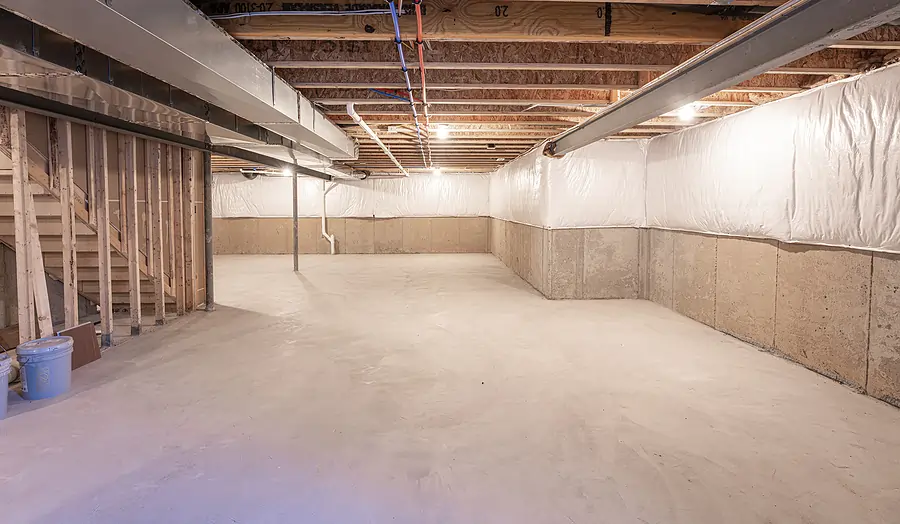
Most Michigan homeowners know their basements get tricky. Between the clay soil that holds water like crazy and winters that last forever, these spaces need different thinking than what works in other states.
The thing about creating a basement floor plan that works for Michigan families? It’s not just about making rooms look good. You’re dealing with building codes that actually matter, moisture that shows up whether you want it or not, and weather that changes everything about how families use these spaces.
Basement renovations here aren’t like the ones you see on TV. Those shows never mention sump pumps or explain why your dehumidifier runs constantly in July. They definitely don’t talk about what happens when the ground freezes and your foundation decides to shift a little.
In this blog, we will know the creation of the basement floor plan and what is required to know before its creation.
Key Takeaways:
- Michigan’s clay soil holds water and creates unique moisture challenges requiring specific planning
- Building codes require 6’8″ minimum ceiling height and proper egress windows for bedrooms
- Moisture management must be planned from day one—dehumidifiers and drainage aren’t optional
- Room placement matters—avoid exterior walls for important spaces due to condensation risks
- Budget $20,000-60,000 for typical Michigan basement renovations depending on size and finishes
- Phased construction lets families spread costs over 2-3 years while getting usable space sooner
- Design software helps visualize layouts and check code compliance before construction starts
- Local contractors understand Michigan conditions better than national chains
What Makes Michigan Basements Different?
Michigan basements come with their own personality. The soil here – especially around Detroit and Flint – has so much clay it practically turns into pottery when it gets wet. That means water doesn’t just run away like it should.
Then there’s the weather situation. Summers get humid enough that basements turn into tropical caves without proper planning. Winters freeze everything solid, which sounds good until you realize frozen ground doesn’t absorb spring snowmelt very well.
Year-Round Usage Patterns
Most families end up using their basements way more than people in warmer places. When it’s too cold to go outside for months, that basement becomes the kid’s playground, the home office, and sometimes the only place to get away from everyone else.
Michigan basements also handle more storage duty. Where else do you put the Christmas decorations, camping gear, snow blower, lawn mower, and everything else that comes with living through four real seasons?
7 Steps of Creating a Basement Floor Plan
Step #1: Building Codes You Need to Know
Michigan building codes don’t mess around with basement safety. If you want bedrooms down there, ceiling height has to hit 6 feet 8 inches minimum. Sounds reasonable until you start measuring around all those pipes and ducts.
Bedroom windows need to be big enough for emergency exits – 24 inches tall and 20 inches wide at minimum. The window sill can’t be more than 44 inches off the floor. These rules eliminate a lot of basement bedroom ideas before you even start.
Electrical work needs GFCI outlets everywhere, which makes sense given how damp basements can get. Regular outlets won’t cut it, and the inspection will catch any shortcuts.
Bathrooms require proper venting and drainage connections. Sometimes that means installing an ejector pump system if the bathroom sits below the main sewer line. Not cheap, but necessary.
Transform your large basement into a multi-functional space.
Get a free consultation from Michigan Rose Construction's experts.
Step #2: Planning Your Layout
Start with what the family actually does in the basement. Kids playing video games need a different space than adults working from home. Teenagers want somewhere to hang out that isn’t right next to where mom does laundry.
Open layouts work great when everyone gets along and the activities don’t conflict. Big open spaces feel less like dungeons and give flexibility for changing uses over time.
Separate rooms make sense when noise becomes an issue. Home theaters, music practice, and video gaming can get loud. Walls help keep the peace.
Windows determine a lot about room placement. Natural light makes any basement feel better, so the main hangout areas should grab whatever daylight is available.
Step #3: Handling Moisture Problems
Michigan moisture doesn’t take hints – it shows up whether you plan for it or not. The basement floor plan needs to account for this reality from day one.
Strategic Wall Selection
Some basement walls stay drier than others. North-facing walls get less sun and stay damper longer. South walls usually dry out better. Put the important rooms on the dry side when possible.
Dehumidifiers aren’t optional equipment here. Plan space for a good-sized unit with proper drainage. Nobody wants to empty water buckets all summer long.
Floor drains need to stay accessible and functional. Don’t build over them or block access for cleaning. Sump pump areas need the same consideration.
Air circulation is also an important part that would help to prevent moisture buildup. Thus, you need to plan the layout having a proper ventilation system.
Step #4: Design Software That Actually Helps
Basement design software has gotten pretty useful for homeowners willing to learn the basics. Some programs handle Michigan building codes better than others.
Free options like SketchUp work fine for basic layouts. They won’t check building codes, but they help visualize how rooms fit together.
Professional basement layout tools cost more but include helpful features like automatic code checking and moisture modeling. Worth considering for complex projects.
Mobile apps let homeowners measure and plan on-site. Some use the phone camera to capture existing conditions, which beats trying to remember everything later.
Cloud-based platforms work well when multiple people need input on the design. Family members can comment and suggest changes without everyone crowding around one computer.
Transform your ideas into reality.
Get a free consultation from Michigan Rose Construction's experts.
Step #5: Design Your Room Layout
Family rooms in Michigan basements get heavy use during winter months. Plan seating areas near windows when possible. Include storage for games, books, and seasonal entertainment supplies.
Home offices need reliable internet connections and adequate electrical outlets. Another important factor is climate control for comfort. Nobody wants to work in a space that’s too cold in winter or too humid in summer.
Guest bedrooms require careful planning around egress windows and moisture control. Position beds away from exterior walls that might develop condensation problems.
Bathrooms add the most value but cost the most to install. Placement depends on existing plumbing locations. Adding bathrooms far from current plumbing lines gets expensive quickly.
Kids’ play areas should be positioned where parents can supervise from other parts of the basement. Sound control helps maintain peace with upstairs activities.
Step #6: Create Your Budget
If you are trying to sort the budget, you must keep in mind that a basement renovation in Michigan typically is about $20,000 to $60,000 or more depending on size and finishes.
Cost Priorities
Foundation issues need fixing before any finished work begins. Ignoring moisture problems doesn’t make them go away – it just makes them more expensive later.
Electrical and plumbing rough-in work costs the same whether done now or later, but accessing finished walls costs a fortune. Plan for future needs during the initial renovation.
Phased construction spreads costs over time. Install the structural systems first, then add finishes as budget allows. Many families complete basement renovations over 2-3 years this way.
Local contractors often provide better value than big-name remodeling companies. They understand Michigan conditions and typically charge less overhead.
Avoid costly DIY mistakes.
Get professional installation from Michigan Rose Construction.
Step #7: Avoid Common Planning Mistakes
- Don’t ignore moisture issues hoping they’ll solve themselves. Michigan basements that aren’t properly moisture-controlled always develop problems eventually.
- Avoid planning bedrooms without proper egress windows. Building inspectors will catch code violations, and safety issues aren’t worth the risk.
- Don’t underestimate storage needs. Michigan families accumulate more seasonal gear than families in moderate climates. Plan adequate storage from the beginning.
- Ceiling height mistakes are expensive to fix. Measure carefully and account for finished floor and ceiling materials before finalizing room layouts.
- Electrical planning shortcuts create problems later. Install adequate outlets and circuits during construction rather than adding them afterward.
- Don’t position important rooms against exterior walls known for moisture problems. Some basement walls just stay damper than others.
Key Considerations for Michigan Basements
Think about your family’s lifestyle now and in the future. Empty nesters might want quiet offices, families with kids need different solutions. Consider how you actually live – do you entertain regularly, work from home, have hobbies needing dedicated space?
Michigan’s seasonal patterns matter more than you might think. Layouts providing indoor activity space during long winters serve you well November through March. But don’t forget summer utility – basements stay naturally cooler and can be perfect heat wave retreats.
Technical requirements can make or break plans. Low ceilings limit fitness layouts. Moisture issues affect flooring and furniture choices. Limited electrical service might need upgrades for power-hungry layouts.
Building codes affect several options. Bedrooms need egress windows, rental units have specific requirements, home offices might trigger electrical permits. Factor these into planning and budgeting from the start.
Be honest about your DIY skills. Some layouts lend themselves to weekend projects, others need professional expertise. Electrical, plumbing, and structural work typically require pros, while painting, flooring, and furniture arrangement can often be DIY.
Let Michigan Rose Construction help you choose the perfect layout.
Michigan Rose Construction specializes in Basement Layout Designs with materials that balance both function and style for Michigan's variable climate.
Getting Professional Help With Michigan Rose Construction
Our Michigan-Focused Expertise
- 15+ years of specialized experience with Michigan homes and Businesses.
- Deep understanding of local building codes and climate requirements
- Award-winning design-build services
- Comprehensive project management
- Transparent pricing and detailed quotes
- Industry-leading warranty coverage
Getting Professional Help With Michigan Rose Construction
Successful basement floor planning for Michigan families requires understanding state-specific building codes, climate challenges, and moisture management techniques. Proper planning prevents expensive corrections while creating functional spaces that serve families year-round.
Michigan Rose Construction specializes in basement renovations that work with Michigan’s unique conditions, not against them. Our team understands clay soil challenges, moisture management, and local building codes. We’ll help you create a basement floor plan that transforms your unused space into rooms your family actually loves using.
Contact us today:
License #: 26230264
Issued by: LARA
License Type: Residential Builder Co. – Fully licensed, bonded, and insured
Proudly serving Ann Arbor, Michigan, and surrounding communities with premium basement remodeling services since 2010. Our service area includes all of Friendly Neighborhoods in Michigan state.
Note: All cost ranges are estimates and may vary based on specific project requirements, location, and market conditions. Contact MichRose Construction for a detailed quote for your specific needs.
Michigan Rose Construction serves homeowners across Metro Detroit, Ann Arbor, Grand Rapids, Traverse City, and throughout Michigan with expert deck construction and maintenance services tailored to our unique climate challenges.
We do not share any client data with third parties. Your personal information is kept confidential and is not disclosed to any outside organizations, except as required by law or with your explicit consent.
FREQUENTLY ASKED QUESTIONS:
Professional floor plan design typically costs $500-2,000+ depending on basement size and complexity. DIY software options range from free to $200. The investment pays off by avoiding costly mistakes during construction. Michigan Rose Construction includes basic design services with renovation projects.
Michigan code requires minimum 6 feet 8 inches ceiling height for habitable spaces. This measurement is from finished floor to finished ceiling. Account for flooring thickness and any dropped ceiling materials when planning. Many older Michigan basements struggle to meet this requirement.
Yes, but placement depends on existing plumbing locations. Bathrooms below the main sewer line need ejector pump systems, adding $2,000-4,000 to costs. Proper venting and GFCI protection are required. Consider rough-in plumbing for future bathrooms during initial construction.
Position important rooms away from problematic exterior walls, especially north-facing ones. Include space for dehumidifiers with proper drainage. Keep floor drains and sump pumps accessible. Plan adequate ventilation throughout. Michigan Rose Construction includes moisture assessment in all designs.
The floor plan itself doesn’t need permits, but construction does. Permits are required for electrical, plumbing, structural changes, and egress windows. Some municipalities require architectural drawings for major renovations. Michigan Rose Construction handles all permit applications.