Basement Remodeling Timeline: What Michigan Homeowners Should Expect
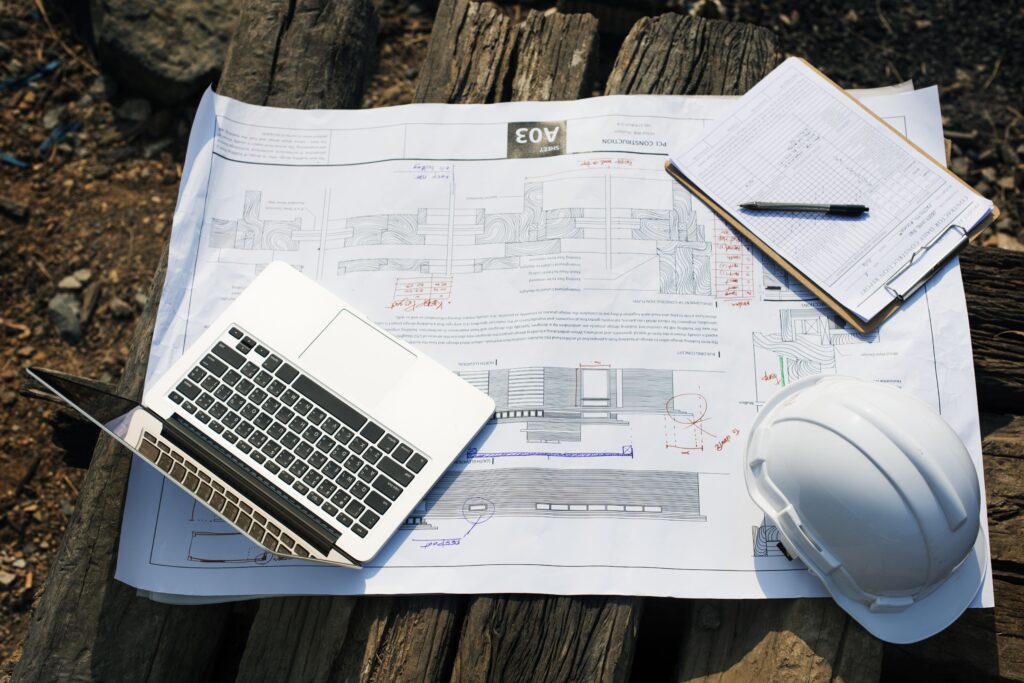
Understanding realistic timelines helps set proper expectations for your basement remodeling project. While everyone wants quick completion, rushing important steps leads to mistakes, failed inspections, and disappointing results. Key Takeaways: ✅ Total Timeline: Most Michigan basement remodels take 8-12 weeks from start to finish* ✅ Planning Phase: Allow 2-4 weeks for design, permits, and contractor selection ✅ Permit Processing: Michigan municipalities typically need 1-3 weeks for approvals ✅ Construction Phases: Framing (1 week), electrical/plumbing (1-2 weeks), drywall (2 weeks) ✅ Weather Impact: Michigan’s climate can add delays, especially for exterior work ✅ Size Factor: Every 500 square feet adds approximately 1-2 weeks to timeline ✅ Complexity Additions: Bathrooms add 1-2 weeks, custom features extend schedules ✅ Inspection Requirements: Factor in time for mandatory inspections between phases *Timeline estimates may vary based on project complexity, permit processing, weather conditions, and unforeseen circumstances. Contact Michigan Rose Construction for accurate timeline assessment specific to your project. Ready to start planning your basement transformation? Get your detailed project timeline from Michigan Rose Construction today. Click Here Complete Basement Construction Schedule Pre-Construction Phase (2-4 Weeks) Week 1-2: Design and Planning Initial consultations and space measurements Creating preliminary designs and layouts Material selection and finish discussions Budget review and final specifications Week 2-3: Contractor Selection Obtaining multiple detailed bids Checking references and reviewing portfolios Negotiating contracts and project terms Scheduling construction start dates Week 3-4: Permit Applications Preparing detailed construction drawings Submitting applications to local municipalities Responding to plan review requirements Securing all necessary approvals Michigan permit processing varies: Ann Arbor typically requires 2 weeks, while smaller communities like Brighton or Novi may need 1-3 weeks depending on workload. Phase 1: Preparation and Demolition (3-5 Days) Days 1-2: Site Protection and Setup Installing protection in living areas Setting up dust barriers and ventilation Creating safe worker access routes Protecting HVAC systems from debris Days 2-4: Demolition Work Removing existing finishes or partitions Clearing debris and cleaning workspace Addressing discovered structural issues Preparing surfaces for new construction Days 4-5: Moisture Assessment Conducting comprehensive moisture tests Sealing cracks and penetrations Installing vapor barriers where needed Addressing water intrusion problems Michigan’s climate makes moisture control critical. Discovering water issues may add 3-7 days for proper remediation, but protects your entire investment. Need assessment of your basement’s specific challenges? Request your free estimate from Michigan Rose Construction’s experienced team. Click Here Phase 2: Framing and Structural Work (1-2 Weeks) Week 1: Primary Framing Installing treated bottom plates Building partition walls per approved design Framing around existing mechanicals Creating door and window openings Week 2: Specialized Construction Building soffits for ductwork or plumbing Framing for special features (bars, built-ins) Installing backing for fixtures and TVs Completing structural modifications Old Michigan homes sometimes reveal surprises like abandoned cisterns or unusual foundations requiring creative solutions. Phase 3: Mechanical Systems (1-2 Weeks) Electrical Rough-In (3-4 Days) Running new circuits from main panel Installing outlet and switch boxes Wiring for lighting and specialty circuits Adding dedicated appliance circuits Plumbing Rough-In (2-3 Days) Installing supply lines for new fixtures Running drain lines (may require concrete cutting) Proper venting system installation Pressure testing all connections HVAC Modifications (2-3 Days) Extending or modifying existing ductwork Installing additional return air pathways Balancing system for new basement space Adding bathroom ventilation Michigan code requirements mean each trade needs separate inspections. Smart scheduling minimizes delays. Want a realistic timeline for your specific project? Contact Michigan Rose Construction for detailed scheduling. Click Here Phase 4: Insulation and Drywall (2-3 Weeks) Insulation Installation (3-5 Days) Installing rigid foam against exterior walls Sealing all gaps and penetrations Insulating rim joists thoroughly Adding vapor barriers per Michigan code Drywall Installation (1-2 Weeks) Hanging drywall on walls and ceilings Taping and mudding all seams Multiple finishing coats and sanding Preparing surfaces for paint Michigan’s energy codes require specific R-values. Proper installation ensures first-attempt inspection approval. Phase 5: Painting and Finishing (1-2 Weeks) Painting Work (1 Week) Priming all new drywall surfaces Applying ceiling and wall finish colors Multiple coats for optimal coverage Trim installation and touch-ups Flooring Installation (3-5 Days) Luxury Vinyl Plank: 2-3 days installation Carpet with Moisture Barrier: 3-4 days Tile Installation: 4-5 days with cure time Basement flooring must handle Michigan’s humidity fluctuations. Proper installation prevents future moisture problems. Phase 6: Final Fixtures and Completion (1 Week) Fixture Installation (3-4 Days) Installing electrical switches and outlets Mounting light fixtures and ceiling fans Setting plumbing fixtures and connections Connecting major appliances Final Details (3-4 Days) Installing doors and hardware Mounting shelving and built-in features Adding bathroom and utility accessories Comprehensive cleanup and inspection Project completion includes municipal final inspections and comprehensive walkthrough. Factors Affecting Your Timeline Project Size and Complexity Timeline additions for common features: Adding bathroom: 1-2 additional weeks Home theater installation: 1 week Wet bar with plumbing: 3-5 days Custom built-ins: 3-7 days Every 500 square feet of space adds approximately 1-2 weeks to overall completion time. Michigan Weather Considerations Weather impacts on basement projects: Exterior waterproofing requires dry conditions Extreme cold affects material deliveries Spring flooding can delay project starts High humidity slows drywall drying times Late spring through early fall typically provides smoothest project schedules. Inspection and Permit Factors Required inspection points: Framing inspection Electrical and plumbing rough-in Insulation compliance check Final building and electrical approvals Each inspection potentially adds 1-2 days to project timeline. Building inspector relationships and proactive scheduling minimize delays. Change Orders and Timeline Impact Common homeowner changes and timeline effects: Minor modifications (outlet additions): 1-2 days Moderate changes (wall relocations): 3-5 days Major additions (bathroom additions): 1-2 weeks Thorough upfront planning minimizes change orders and maintains project schedules. Warranty and Service Commitment Quality Warranty Standards: Minimum one-year labor warranty coverage Clear craftsmanship and installation protection Material warranty explanations by manufacturer Post-completion service commitments Michigan Rose Construction provides comprehensive one-year warranty on all labor, demonstrating confidence in our workmanship quality. Let Michigan Rose Construction handle complex planning details. Schedule your consultation with Michigan Rose Construction today. Click Here Getting Professional Help With Michigan Rose Construction
How to Choose the Best Basement Contractor in Michigan?

Finding the right basement contractor can make the difference between a smooth renovation and months of headaches. Michigan’s unique climate and soil conditions create specific challenges requiring specialized knowledge and proven solutions. Key Takeaways: ✅ Verify Licensing: Always confirm contractors hold valid Michigan licenses (#262300264) and comprehensive insurance ✅ Michigan Expertise Required: Eastern Michigan basements face unique moisture and soil challenges ✅ Realistic Pricing: Basement remodeling typically costs $20,000-$50,000; extremely low bids signal problems ✅ Ask Critical Questions: Inquire about moisture control, warranties, and local building code compliance ✅ Written Documentation: Professional contractors provide detailed proposals and clear warranty terms ✅ Proper Planning: Thorough planning prevents costly mistakes and ensures code compliance ✅ Local References: Verify recent basement projects in your specific area ✅ Insurance Verification: Confirm general liability and workers’ compensation coverage Ready to find the perfect contractor for your project? Get your free consultation with Michigan Rose Construction today. Click Here Understanding Michigan’s Unique Basement Challenges Climate and Environmental Factors Michigan basements face distinct challenges requiring specialized expertise: Moisture Management: Great Lakes proximity creates higher humidity levels Seasonal water table fluctuations cause seepage issues Clay-heavy soil shifts and settles, affecting foundations Temperature Considerations: Deep frost lines require specific foundation approaches Extreme temperature variations demand robust insulation solutions Energy efficiency requirements for Michigan’s harsh winters Regional Building Requirements Eastern Michigan contractors must understand: Local building codes designed for regional conditions Permit requirements varying by municipality Aging foundation considerations in older Michigan homes Proper drainage and waterproofing techniques Need assessment of your basement’s specific challenges? Request your free estimate from Michigan Rose Construction’s experienced team. Click Here Essential Contractor Qualifications Licensing and Legal Compliance Michigan License Verification: Michigan requires contractors to maintain proper licensing for remodeling work. Verify licenses through the Michigan Department of Licensing and Regulatory Affairs (LARA). Professional Standards: Licensed contractors meet state experience requirements Regulatory accountability protects homeowners Michigan Rose Construction license #262300264 demonstrates compliance Comprehensive Insurance Coverage Required Insurance Types: General liability protection Workers’ compensation coverage Property damage protection Verification Process: Request certificates directly from insurance providers, not photocopies. This protects you from financial responsibility during construction. Michigan-Specific Experience Essential Experience Areas: Basement moisture control and waterproofing Local building code compliance Michigan soil and foundation considerations Regional HVAC and insulation requirements Experience Verification Questions: How many basement projects completed in your area? Familiarity with local permit requirements? Experience with Michigan basement moisture issues? Understanding of proper insulation for our climate? Looking for proven Michigan expertise? Schedule your consultation with our experienced local team. Click Here Critical Warning Signs to Avoid Pricing Red Flags Unrealistic Low Bids: Basement remodeling typically ranges $20,000-$50,000+ depending on scope. Significantly low bids often indicate: Corner-cutting on materials or workmanship Lack of proper insurance or licensing Plans for numerous change orders Use of inexperienced labor Remember: Correcting poor workmanship costs more than quality construction initially. High-Pressure Sales Tactics Warning Signs: Demanding immediate signature decisions “Limited time” discounts expiring today Refusing detailed written estimates Discouraging multiple quote comparisons Professional contractors understand basement remodeling requires careful consideration and planning. Documentation Problems Missing Professional Elements: Vague project descriptions No written warranty terms Unclear payment schedules Absence of detailed material specifications What contractors should provide: Itemized estimates showing labor and materials Specific project timelines with milestones Written warranty terms and conditions Clear payment schedules tied to completion stages Essential Interview Questions Technical Expertise Assessment Moisture Control Questions: “How do you address moisture control in Michigan basements?” Look for: Understanding of waterproofing membranes, proper drainage, vapor barriers Problem-Solving Approach: “What’s your process for handling unexpected construction issues?” Look for: Clear procedures for addressing unforeseen problems in older homes Experience and References Local Project History: “Can you provide references from recent basement projects in this area?” Request: Local references with similar challenges and project scope Quality Assurance: “What warranties do you offer on your work?” Expect: Clear warranty coverage and post-project support terms Code Compliance Building Code Knowledge: “How do you ensure compliance with local building codes?” Look for: Familiarity with permit requirements and inspection processes Have specific questions about your basement project? Schedule a free consultation with our experienced team for expert answers. Evaluating Contractor Proposals Detailed Scope Analysis Comprehensive Work Descriptions: Professional proposals include specific details about: Framing and insulation methods Electrical and plumbing modifications Flooring and ceiling treatments Moisture control measures Finish materials and fixture specifications Timeline and Scheduling Reality Realistic Project Timelines: Most basement projects: 6-12 weeks completion Consider permit approval timeframes Weather impact considerations Coordination with subcontractors Red Flags: Extremely short timelines suggesting rushed work Excessively long timelines indicating poor planning Warranty and Service Commitment Quality Warranty Standards: Minimum one-year labor warranty coverage Clear craftsmanship and installation protection Material warranty explanations by manufacturer Post-completion service commitments Michigan Rose Construction provides comprehensive one-year warranty on all labor, demonstrating confidence in our workmanship quality. Planning and Project Management Thorough Pre-Construction Planning: Detailed space measurements and analysis Moisture and structural assessments Building code compliance reviews Permit application preparation Subcontractor coordination Planning Phase Benefits: Prevents costly construction mistakes Ensures safety requirement compliance Maximizes finished space functionality Streamlines construction timeline Let Michigan Rose Construction handle complex planning details. Schedule your consultation with Michigan Rose Construction today. Click Here Making Your Final Contractor Selection Objective Evaluation Criteria ✅ Valid Michigan licensing and insurance✅ Comprehensive, detailed project proposals✅ Clear communication and professionalism✅ Fair pricing reflecting quality workmanship✅ Strong references from similar local projects✅ Written warranty terms and conditions Trust Your Professional Instincts! Comfort level with contractor communication Genuine interest in understanding your goals Professional appearance and organization Responsiveness to questions and concerns If something feels wrong, investigate further or consider other options. Getting Professional Help With Michigan Rose Construction Our Michigan-Focused Expertise 5+ years of specialized experience with Michigan homes and businesses Deep understanding of local building codes and climate requirements Award-winning design-build services tailored to Michigan homeowners Comprehensive project management from permits to final cleanup Transparent pricing and detailed quotes with no hidden costs Industry-leading warranty coverage for complete peace of mind Partner with Michigan’s Basement
Do I Need a Permit for Basement Remodeling in Michigan?

Most basement remodeling projects in Michigan require permits to ensure safety, code compliance, and protect your investment. Understanding permit requirements upfront prevents costly delays, fines, and future complications with insurance or home sales. Key Takeaways: ✅ Permits Required: Yes, most basement remodeling projects need multiple permits in Michigan ✅ Multiple Permit Types: Building, electrical, plumbing, and mechanical permits typically required ✅ Total Costs: Permit fees range from $500-$2,000 depending on project scope and municipality ✅ Processing Time: 1-3 weeks for approval in most Michigan communities ✅ Serious Consequences: Skipping permits risks fines, insurance issues, and sale complications ✅ Professional Advantage: Licensed contractors should handle permit applications and inspections ✅ Safety Protection: Building codes protect your family and home value ✅ Investment Security: Proper permits ensure work meets safety standards and protects resale value Ready to ensure your project is fully compliant? Get your free permit consultation with Michigan Rose Construction today. Click Here Understanding Michigan Basement Permit Requirements When Permits Are Always Required Michigan building codes require permits for any basement work involving: Structural changes – Adding or removing walls, modifying support beams Electrical modifications – New circuits, outlets, lighting, or panel upgrades Plumbing installations – Bathrooms, wet bars, or utility connections HVAC system changes – Extending ductwork or adding heating/cooling Creating living space – Converting storage areas to habitable rooms Window modifications – Installing egress windows for bedrooms Limited Exceptions (No Permits Needed) Only basic cosmetic work typically avoids permit requirements: Painting existing finished walls Replacing flooring with same type Installing shelving or cabinets Minor repairs maintaining existing systems Important: Even seemingly simple projects often require permits. Adding a partition wall needs permits because it affects structure and typically involves electrical work. Unsure about your project requirements? Contact Michigan Rose Construction for expert permit guidance. Click Here Essential Permit Types for Basement Projects Building Permits ($300-$800+) Building permits cover structural and general construction work: Framing new walls and ceilings Installing insulation and vapor barriers Adding or modifying windows (especially egress windows) Creating room divisions and doorways Michigan building code requirements include: 7-foot minimum ceiling heights for living spaces Proper egress windows in bedrooms Adequate insulation values (R-15 minimum for walls) Fire blocking between floor levels Electrical Permits ($150-$400) Required for all electrical system modifications: Adding circuits from main panel Installing outlets, switches, and lighting Bathroom ventilation fans Dedicated appliance circuits Michigan electrical codes require: GFCI protection within 6 feet of water sources Arc-fault protection for bedroom circuits Proper outlet spacing (maximum 6 feet apart) Adequate lighting for safety Plumbing Permits ($150-$500) Essential when adding bathrooms or wet bars: Water supply line installation Drain and waste connections Vent system installation Fixture installations Mechanical Permits ($100-$300) Cover HVAC system modifications: Extending ductwork to basement Adding return air pathways Installing exhaust fans Supplemental heating/cooling systems *Disclaimer: Permit costs vary significantly by municipality, project complexity, and current fee schedules. These ranges represent typical costs across Michigan but actual fees may be higher or lower. Contact your local building department or Michigan Rose Construction for accurate pricing specific to your project and location. Unsure about your project requirements? Contact Michigan Rose Construction for expert permit guidance. Click Here The Michigan Permit Process Simplified Step 1: Plan Preparation Professional contractors prepare required documentation: Scaled floor plans showing new layout Electrical plans with circuit details Plumbing plans if applicable Cross-sections showing ceiling heights Step 2: Application Submission Each permit requires separate applications including: Property and project information Detailed scope of work Contractor license numbers Plan sets and permit fees Step 3: Municipal Review Review times vary by location: Ann Arbor: 2-3 weeks typically Canton: 1-2 weeks Smaller communities: 1-3 weeks Step 4: Permit Approval and Construction Once approved, you receive: Official permit cards for display Inspection schedules Approved plan stamps Project timelines Permit Costs Across Michigan Typical Fee Structure Breakdown by permit type: Building Permit: $300-$800 (based on project value) Electrical Permit: $150-$400 (based on circuits/devices) Plumbing Permit: $150-$500 (based on fixture count) Mechanical Permit: $100-$300 (based on equipment) Additional Cost Considerations Plan review fees Re-inspection fees if work fails Permit extensions for project delays Engineering reviews for complex projects Serious Consequences of Skipping Permits Immediate Penalties Getting caught without proper permits results in: Stop work orders halting all construction Fines starting at $500 per violation Double permit fees for after-the-fact applications Required removal of completed work Long-Term Financial Impact Claims denied for unpermitted work Policy cancellation possibilities No coverage for damage from faulty installations Home Sale Issues: Required disclosure of unpermitted work Buyer demands for permits or price reductions Failed home inspections and deal cancellations Safety and Legal Risks: Electrical fires from improper wiring Structural failures from inadequate support Legal liability for injuries Costly corrections to meet code standards Michigan Building Code Essentials Critical Requirements for Basement Living Spaces Ceiling Heights: 7 feet minimum for habitable rooms 6 feet 8 inches acceptable for bathrooms Egress Windows: Required in every basement bedroom Minimum 5.7 square feet opening Maximum 44-inch sill height Safety Standards: GFCI electrical protection near water Proper insulation and vapor barriers Adequate ventilation systems Fire-rated materials where required Local Code Variations While Michigan follows state residential codes, municipalities may add requirements: Ann Arbor has strict energy efficiency standards Some communities require radon testing Historic districts have special restrictions Ensure full code compliance Contact our code specialists at Michigan Rose Construction. Click Here Required Inspection Process Typical basement projects require inspections at: Rough Framing – Wall construction and structural elements Rough Electrical – Wiring methods and circuit installation Rough Plumbing – Drain lines and water supply (if applicable) Insulation – R-values and vapor barrier installation Final Inspection – Overall compliance and safety verification Inspection Preparation Successful inspections require: Work completed to proper stage Clear access to all areas Permit cards prominently displayed Approved plans available on-site Unsure about the best flooring for your basement? Get expert recommendations from Michigan Rose Construction’s design team. Click Here Working with Licensed Professionals Licensed contractors like Michigan Rose Construction provide: Code expertise for current Michigan requirements Professional plan
Top 10 Basement Design Mistakes to Avoid in Michigan Homes
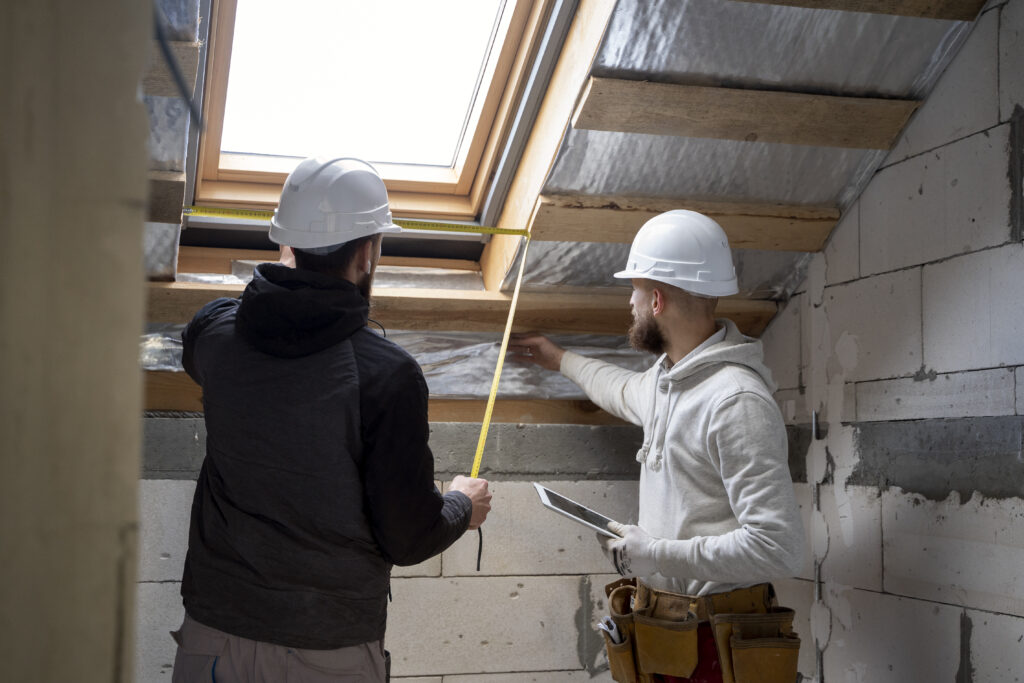
Planning a basement remodel represents one of the best investments Michigan homeowners can make. However, even well-intentioned projects can go wrong when homeowners and contractors make critical design mistakes. At Michigan Rose Construction, we’ve renovated hundreds of basements across Eastern Michigan and have seen these costly errors repeatedly. Learning from others’ mistakes can save you thousands of dollars and months of frustration. Key Takeaways: Inadequate moisture control is the #1 mistake that leads to mold, damage, and costly repairs Skipping proper permits can result in fines and require expensive tear-outs Poor lighting plans create dark, uninviting spaces that feel like traditional basements Ignoring ceiling height requirements leads to code violations and cramped spaces Insufficient insulation causes comfort issues and high energy bills in Michigan’s climate DIY electrical work poses serious safety risks and often fails inspection Overlooking emergency exits violates safety codes and endangers your family Choosing wrong flooring results in water damage and replacement costs Poor HVAC planning creates uncomfortable temperatures year-round Rushing the planning phase leads to costly changes and regret Ready to explore your basement’s potential? Get your free consultation today and discover how much value you can add to your home. Click Here 1. Inadequate Moisture Control: The Most Expensive Mistake Michigan’s proximity to the Great Lakes and our clay-heavy soil create the perfect storm for basement moisture problems. Failing to address water intrusion before finishing your basement isn’t just a mistake—it’s a disaster waiting to happen. Common moisture control failures include: Skipping professional moisture testing before construction Using standard drywall instead of moisture-resistant materials Inadequate vapor barriers behind walls Poor exterior grading that directs water toward foundations Ignoring existing cracks or seepage points The consequences? Mold growth, rotting materials, musty odors, and potentially tens of thousands in remediation costs. We’ve seen beautiful finished basements destroyed within two years due to hidden moisture issues. Solution: Invest in proper waterproofing before any finishing work begins. This might include exterior excavation, interior drainage systems, sump pumps, and commercial-grade vapor barriers. Yes, it adds to upfront costs, but it protects your entire investment. Concerned about moisture in your basement? Schedule a free assessment with Michigan Rose Construction’s waterproofing experts. Click Here 2. Skipping or Inadequate Permits: A Legal and Financial Nightmare Many homeowners view permits as unnecessary bureaucracy and expense. This mindset can cost you dearly. Michigan municipalities require permits for basement finishing, and for good reason—they ensure work meets safety standards. Permit requirements typically include: Building permits for framing and insulation Electrical permits for new circuits and outlets Plumbing permits for bathroom additions Mechanical permits for HVAC modifications Without proper permits, you face: Fines and stop-work orders Required tear-out of completed work Inability to sell your home without disclosure Insurance claim denials for unpermitted work Safety hazards from substandard construction Solution: Work with licensed contractors who pull all required permits. At Michigan Rose Construction, we handle the entire permit process, ensuring full compliance with local codes. The cost (typically $500-$2,000) is minimal compared to potential consequences. 3. Poor Lighting Design: Creating a Cave Instead of Living Space Nothing screams “basement” more than inadequate lighting. Michigan’s long, dark winters make proper illumination even more critical. Yet many homeowners treat lighting as an afterthought, resulting in dim, uninviting spaces. Lighting mistakes include: Relying solely on overhead fixtures Using too few light sources Ignoring natural light opportunities Choosing wrong color temperatures Failing to include dimmer switches Proper basement lighting requires layered approaches: Recessed ceiling lights for general illumination Task lighting for specific areas Accent lighting for visual interest Natural light through egress windows LED bulbs with warm color temperatures Solution: Plan lighting during the design phase, not after framing. Include multiple circuits for flexibility and consider adding more fixtures than you think necessary—it’s easier to dim lights than to add them later. 4. Ignoring Ceiling Height Requirements: A Cramped, Illegal Space Michigan building codes require minimum ceiling heights for habitable basement spaces—typically 7 feet. Many older homes have lower ceilings, and homeowners often proceed without addressing this issue. Height-related mistakes: Installing dropped ceilings that reduce headroom Ignoring beam and ductwork obstructions Creating rooms in low-ceiling areas Failing to explore ceiling-raising options Low ceilings create multiple problems: Code violations preventing legal occupancy Claustrophobic feeling that reduces usability Reduced home value due to non-conforming space Difficulty selling without expensive corrections Solution: Measure carefully before planning. If ceiling height is borderline, consider solutions like recessing ductwork, using creative design around obstructions, or even lowering the floor in extreme cases. Some areas might work better as storage than living space. 5. Insufficient Insulation: Energy Bills Through the Roof Michigan’s temperature extremes—from sub-zero winters to humid summers—demand proper insulation. Yet many basement projects use minimal insulation to save money, creating uncomfortable spaces with astronomical energy bills. Insulation mistakes include: Using faced fiberglass against concrete walls Inadequate R-values for our climate Missing rim joist insulation Poor air sealing around penetrations Ignoring sound insulation between floors Without proper insulation: Heating and cooling costs skyrocket Condensation forms on cold surfaces Pipes freeze in extreme weather Uncomfortable temperature variations occur Sound travels freely between floors Solution: Use rigid foam insulation against concrete walls, achieving minimum R-15 values. Seal all penetrations and insulate rim joists thoroughly. Consider sound insulation for home theaters or bedrooms. The extra investment pays for itself through energy savings. 6. DIY Electrical Work: Playing with Fire Electrical work seems straightforward—until something goes wrong. Michigan law requires licensed electricians for good reason. Basement electrical systems need careful planning to handle modern demands safely. Common electrical mistakes: Insufficient outlets forcing dangerous extension cord use Improper GFCI protection in required areas Overloaded circuits causing frequent trips Amateur wiring creating fire hazards Missing or inadequate emergency lighting DIY electrical work risks: House fires from faulty connections Electrocution hazards Failed inspections requiring complete rewiring Insurance claim denials Legal liability for accidents Solution: Hire licensed electricians who understand basement requirements. Plan for adequate outlets (every 6 feet along walls), dedicated circuits for major appliances, and proper GFCI protection. Never compromise on electrical
Michigan Basement Remodeling: Transform Your Home’s Potential

Michigan homeowners are discovering that basement remodeling delivers exceptional value and additional living space. With stable material prices and improved contractor availability, now represents an ideal time to transform your lower level into functional, comfortable living space. Key Takeaways: ✅ Strong ROI: Well-executed basement renovations return 70-75% of investment and help homes sell 25% faster in Michigan ✅ Year-Round Comfort: Professional basement finishing adds valuable indoor living space perfect for Michigan’s climate ✅ Energy Savings: Modern insulation and climate control reduce whole-home energy costs by 20-30% ✅ Current Market Advantages: Stable material prices, improved contractor availability, and favorable financing options ✅ Michigan Expertise Matters: Local building codes, climate considerations, and waterproofing requirements need specialized knowledge ✅ Timing Benefits: Spring/early summer starts ensure completion before winter indoor season begins Ready to explore your basement’s potential? Get your free consultation today and discover how much value you can add to your home. Click Here Why Michigan Homeowners Choose Basement Remodeling Market Conditions Favor Home Improvements Current market conditions create compelling reasons to renovate rather than relocate. With Michigan’s housing shortage, moving costs in the Ann Arbor area now exceed $35,000 when including realtor fees, closing costs, and moving expenses. Basement remodeling typically costs $25,000 to $50,000, delivering additional living space without relocation stress. Well-executed basement renovations return approximately 70-75% of investment at resale in Michigan markets. Material Availability and Pricing Stability Construction materials have stabilized after years of volatility. Lumber, drywall, and finishing materials are readily available without extended lead times. Michigan suppliers have expanded capacity, reducing project delays. Don’t wait for prices to increase! Schedule your free consultation to lock in current favorable pricing. Click Here Benefits of Professional Basement Finishing Immediate Lifestyle Improvements Finished basements provide versatile space for: Home offices and remote work areas Entertainment and media rooms Guest suites and additional bedrooms Exercise and recreation spaces Storage and organization solutions Enhanced Property Value and Market Appeal Michigan homes with finished basements typically sell 25% faster than comparable properties with unfinished space. This improved marketability provides valuable flexibility during uncertain economic times. Basement conversions also increase usable square footage without expanding your home’s footprint, making them ideal for urban areas like Ann Arbor where lot sizes are limited. Energy Efficiency and Comfort Benefits Modern basement insulation and climate control systems reduce energy costs by 20-30% compared to unfinished spaces. Michigan’s climate makes proper basement insulation essential for whole-home energy efficiency. Professional basement finishing also eliminates cold floors and drafts that affect upper levels, creating more consistent temperatures throughout your home. Michigan-Specific Considerations Climate and Moisture Management Michigan’s freeze-thaw cycles and seasonal moisture require specialized waterproofing solutions. Professional basement remodeling addresses: Advanced waterproofing systems Proper insulation for below-grade spaces Humidity control and ventilation Temperature regulation year-round Building Codes and Permits Michigan building codes specify requirements for basement living spaces, including: Minimum ceiling heights Egress window requirements Electrical and plumbing standards Insulation and moisture barriers Seasonal Timing Advantages Spring through early summer offers ideal conditions for basement projects in Michigan. Ground has thawed, weather is moderate, and projects complete before families spend more time indoors during fall and winter. Modern Basement Remodeling Technology Advanced Waterproofing Solutions New crystalline waterproofing compounds and interior drainage systems provide superior protection against water intrusion. These systems address Michigan’s primary basement concern with long-lasting results. Basement waterproofing technology includes vapor barriers, sump pump systems, and French drain installation – all critical for successful lower level finishing in Michigan’s climate. Insulation Innovations for Lower Level Comfort Modern spray foam and rigid foam insulation deliver exceptional thermal performance and moisture resistance. These systems maintain comfortable temperatures while preventing condensation in below-grade spaces. Proper basement insulation also reduces sound transmission between floors, creating quieter living spaces above and below. Smart Home Integration and Automation Today’s basement remodels incorporate: Programmable lighting and climate control systems Entertainment and sound systems with smart controls Security features and monitoring capabilities Smartphone-controlled automation for convenience HVAC Solutions for Basement Conversions Basement HVAC requires specialized consideration for Michigan homes: Ductless mini-split systems for zone control Radiant floor heating for consistent warmth Dehumidification systems for moisture control Energy recovery ventilation for fresh air circulation Professional Basement Remodeling Process Planning and Design Phase Successful basement remodeling begins with comprehensive planning: Initial Assessment – Evaluate existing conditions, moisture levels, and structural elements Design Development – Create layouts optimized for your family’s needs Material Selection – Choose finishes balancing quality, durability, and budget Permit Acquisition – Handle all required approvals and inspections Construction Timeline Most comprehensive basement renovations in Michigan require 8-12 weeks: Design and permits: 2-3 weeks Material procurement: 1-2 weeks Construction phase: 4-6 weeks Final inspections: 1 week Quality Assurance Professional contractors provide: Regular progress updates and communication Quality inspections at every phase Problem resolution and change management Final walkthrough and warranty coverage Ready to start your project? Get your free quote and timeline assessment. Click Here Homeowner education: Care and maintenance instructions for new materials Warranty information for appliances and fixtures Cleaning product recommendations to protect finishes Maintenance schedule to keep everything looking new Quality guarantee: Reputable contractors provide 1-year warranty on workmanship and help coordinate manufacturer warranties. Create the perfect guest retreat. Schedule your consultation with Michigan Rose Construction today. Click Here Ready to start your budget kitchen remodel with confidence? Our experienced renovation team understands how to maximize value while delivering beautiful, functional results that enhance your daily life. Avoiding Common Basement Remodeling Mistakes Moisture and Waterproofing Issues Never skip proper waterproofing in Michigan basements. Address moisture concerns before finishing to prevent mold, mildew, and structural damage. Inadequate Planning Rushing into basement remodeling without proper planning leads to cost overruns and disappointing results. Invest time in design development and material selection. Choosing Inexperienced Contractors Basement remodeling requires specialized knowledge of below-grade construction, waterproofing, and Michigan building codes. Select contractors with proven basement expertise. Getting Professional Help With Michigan Rose Construction Our Michigan-Focused Expertise 5+ years of specialized experience with Michigan homes and businesses Deep understanding of local building codes and climate requirements Award-winning
Budget Kitchen Remodel Timeline: Your Complete 7-Phase Guide to Success
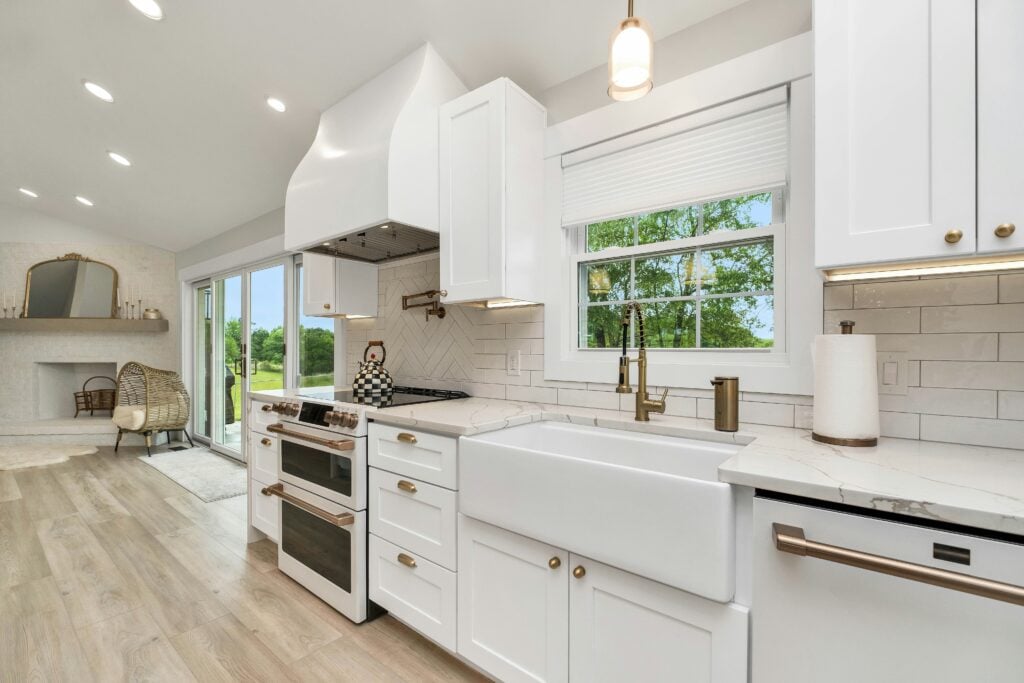
Tired of outdated cabinets, broken tiles, and flickering lights? Your kitchen—and you—deserve better. If you’re planning a budget kitchen remodel but feeling overwhelmed by the process, you’re not alone. Kitchen renovation isn’t as simple as picking your favorite finishes. It’s a technical process requiring careful planning, proper sequencing, and experienced professionals. That’s why having a clear kitchen remodeling timeline is essential for staying sane, on budget, and on schedule. Let’s explore the complete budget kitchen remodel timeline so you know exactly what to expect and how to stay ahead of potential delays. Key Takeaways: ✅ Complete budget kitchen remodel takes 6-10 weeks from design to completion✅ Design phase (1-3 weeks) sets foundation for successful renovation✅ Permits and planning (2-4 weeks) prevent costly delays later✅ Professional demolition (1 week) protects your home during teardown✅ Infrastructure work (1-2 weeks) ensures long-lasting, code-compliant results✅ Installation phase (2-3 weeks) brings your kitchen vision to life✅ Finishing touches (1-2 weeks) add personality and functionality✅ Expert contractors manage delays and keep projects on schedule✅ Proper planning prevents budget overruns and timeline delays✅ Quality results don’t require rushing – careful execution matters most Ready to start your budget kitchen renovation? Get your free consultation and timeline estimate → Click Here Phase 1: Design Consultation and Planning (1-3 Weeks) Every successful budget kitchen remodel begins with smart planning. This isn’t just browsing Pinterest or saving Instagram posts—though those help! The real work starts with a professional kitchen design consultation. What happens during kitchen design phase: In-home assessment of your current space and structural limitations Budget planning session to maximize value within your price range Layout optimization to improve function without major structural changes Material selection for cabinets, countertops, flooring, and fixtures Mood board creation to ensure cohesive design aesthetic Detailed cost estimate with no hidden fees or surprises Why professional design consultation matters for budget renovations: Avoid costly mistakes that can blow your budget later Maximize existing space without expensive structural changes Select materials that offer best value for money Create realistic timeline based on your specific project scope Budget tip: Investing 10-15% of your renovation budget in professional design saves 20-30% in potential mistakes and change orders. Phase 2: Final Plans, Material Orders, and Permits (2-4 Weeks) Once your kitchen design is finalized, the behind-the-scenes work begins. This phase might feel slow, but it’s crucial for smooth kitchen renovation timeline execution. Critical tasks in planning phase: Final design approval and signed contracts Material ordering – custom cabinets and specialty items ordered first Permit applications submitted to local building departments Contractor scheduling and timeline coordination Site preparation planning to protect your home during construction Common timeline factors affecting budget kitchen remodels: Custom cabinets: 4-8 weeks lead time Granite/quartz countertops: 2-3 weeks for templating and fabrication Specialty appliances: 2-6 weeks depending on availability Building permits: 1-3 weeks for approval (varies by municipality) Ann Arbor Area permit requirements: Ann Arbor: Building permits required for electrical, plumbing, structural changes Plymouth: Permits needed for major layout modifications Canton: Electrical and plumbing permits mandatory Novi: Building permits required for substantial alterations Pro tip: Starting material orders immediately after design approval prevents delays later in your kitchen remodeling timeline. Phase 3: Professional Demolition and Site Preparation (1 Week) Demo day arrives! While exciting, professional kitchen demolition requires careful planning to protect your home and family. What professional kitchen demolition includes: Home protection: Floors covered, adjacent rooms sealed off Dust containment systems to minimize mess throughout house Safe removal of cabinets, countertops, appliances, fixtures Hidden issue discovery – outdated wiring, plumbing problems, structural concerns Debris removal and disposal following local regulations Site cleanup and preparation for next phase Why professional demolition matters for budget renovations: Avoid damage to existing features you’re keeping Discover hidden issues early before they become expensive surprises Proper disposal prevents additional cleanup costs Safety compliance with lead paint and asbestos regulations (in older homes) Timeline factor: Professional crews complete demolition 2-3 times faster than DIY approaches while protecting your home. Phase 4: Infrastructure – Plumbing, Electrical, and Structural Work (1-2 Weeks) This kitchen renovation phase isn’t glamorous, but it’s essential for long-term success. All the “behind-the-walls” work happens here. Critical infrastructure improvements: Electrical updates: New outlets, lighting circuits, appliance connections Plumbing modifications: Relocated sinks, dishwasher connections, garbage disposal HVAC adjustments: Ventilation improvements, ductwork modifications Structural changes: Wall removal, beam installation, framing adjustments Code compliance: Ensuring all work meets current building standards Common budget kitchen infrastructure needs: Outlet additions: Modern kitchens need outlets every 4 feet on countertops Lighting circuits: Separate circuits for under-cabinet, pendant, and recessed lighting Appliance circuits: Dedicated 220V lines for ranges, 120V for dishwashers/disposals Ventilation improvements: Proper exhaust fan sizing and venting Quality assurance: All electrical and plumbing work includes city inspections to ensure safety and code compliance. Investment insight: Proper infrastructure work adds 10-15% to your home’s value and prevents costly repairs later. Phase 5: Cabinet Installation, Flooring, and Countertops (2-3 Weeks) The transformation begins! This kitchen remodeling phase brings your design vision to life as your space starts looking like a kitchen again. Installation sequence for optimal results: Week 1: Flooring Installation Hardwood, vinyl, or tile installed before cabinets for seamless look Subflooring repairs if needed for level, stable surface Transition strips planned for adjoining rooms Week 2: Cabinet Installation Base cabinets installed first, leveled, and secured Upper cabinets mounted with proper wall support Crown molding and trim for finished appearance Cabinet hardware installed – knobs, pulls, hinges adjusted Week 3: Countertop Installation Digital templating after cabinet installation for perfect fit Custom fabrication (1 week for granite/quartz) Professional installation with undermount sink cutouts Final polishing and protective treatments Budget-friendly material options: Cabinets: Refaced existing vs. full replacement saves 40-60% Countertops: Quartz alternatives, butcher block, or ceramic tile Flooring: Luxury vinyl plank offers hardwood look at fraction of cost Quality checkpoint: This phase should show 70% completion of your budget kitchen remodel visual transformation. Ready to embrace industrial farmhouse style? Schedule your consultation with Michigan Rose Construction. Click Here Phase 6: Finishing Touches – Backsplash, Fixtures,
10 Kitchen Trends Taking Ann Arbor Area Homes by Storm
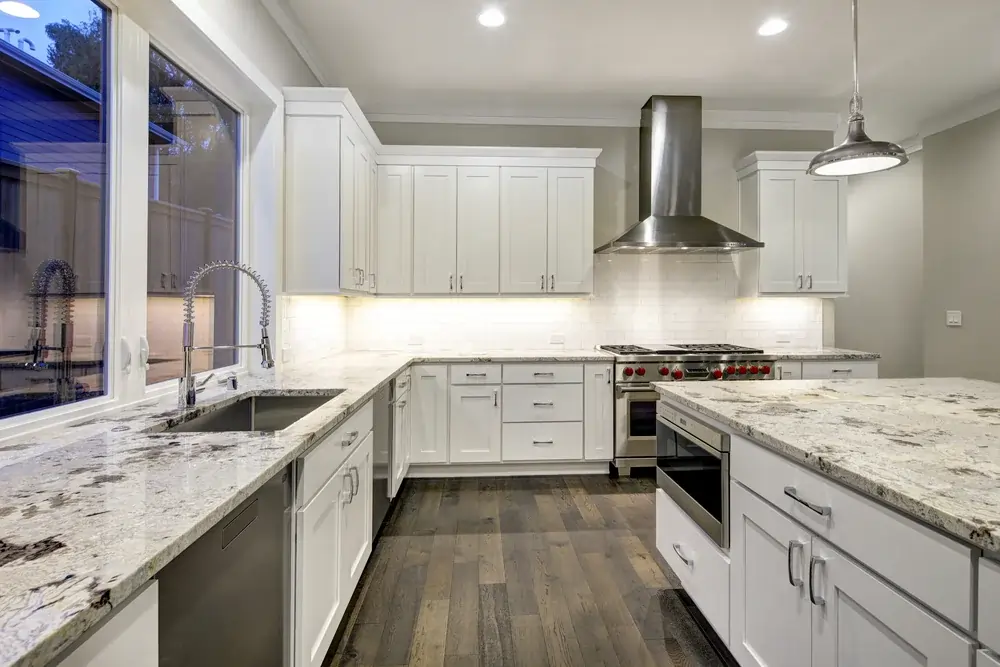
Thinking about updating your kitchen? You’re not alone. Homeowners across the Ann Arbor area—from Plymouth’s charming neighborhoods to Novi’s modern developments—are transforming their kitchens into stunning, functional spaces that reflect both style and practicality. Whether you’re in Canton, Brighton, Farmington Hills, or anywhere in the greater Ann Arbor region, these popular kitchen trends are reshaping how families cook, gather, and create memories. Key Takeaways: ✅ Open-concept layouts continue dominating Ann Arbor area renovations for better family flow✅ Two-tone cabinets add sophisticated character without major overhauls✅ Smart technology integration makes Michigan winters more manageable and efficient✅ Natural materials bring outdoor beauty inside while supporting local suppliers✅ Bold dark colors create luxury feels rivaling high-end establishments✅ Multi-functional islands serve as command centers for busy families✅ Hidden storage solutions maximize space in older Plymouth and Canton homes✅ Sustainable features reduce utility costs during long heating seasons✅ Personal touches reflect University of Michigan lifestyle and local culture✅ Expert local contractors understand regional building codes and climate needs Ready to start planning your dream kitchen? Get your free consultation with Ann Arbor’s top kitchen contractors Click Here 1. Open-Concept Kitchens: The Heart of Ann Arbor Area Homes Open-concept designs continue dominating kitchen renovations throughout the Ann Arbor region. This enduring layout removes barriers between your kitchen, dining, and living areas, creating seamless flow perfect for entertaining during those long Michigan winter months. Why Ann Arbor area homeowners love it: Maximizes natural light during shorter winter days Creates inclusive spaces for family gatherings Makes smaller ranch-style homes in Plymouth and Canton feel more spacious Perfect for hosting during University of Michigan game day parties Pro tip: Extra-wide kitchen islands with seating are becoming the new family room, especially popular in Novi and Farmington Hills communities. 2. Two-Tone Cabinet Combinations: Adding Character to Ann Arbor Kitchens The era of all-white kitchens is evolving. Ann Arbor area homeowners are embracing sophisticated two-tone cabinet designs that add depth and personality to their spaces. Popular color combinations in the Ann Arbor region: Soft whites with deep navy (reflecting Michigan’s university colors) Cream uppers with forest green lowers (bringing in natural Michigan beauty) Light oak with charcoal gray accents This trend works exceptionally well in both traditional farmhouses common in Saline and Milan, and contemporary homes in Brighton and Northville. 3. Natural Materials: Bringing Michigan’s Outdoors to Ann Arbor Homes The Ann Arbor region’s rich natural landscape continues to inspire today’s kitchen designs. Homeowners in Canton, Plymouth, and surrounding areas are incorporating reclaimed wood, natural stone, and organic textures that connect their homes to Michigan’s beautiful forests and natural areas. Trending natural elements: Reclaimed barn wood: Perfect for accent walls or open shelving Local stone countertops: Sourced from Michigan quarries Live-edge wood islands: Showcasing Michigan’s hardwood heritage Natural stone backsplashes: Using local materials for authentic charm These materials not only look stunning but also support local suppliers throughout the Ann Arbor region and reflect the area’s commitment to sustainability. 4. Smart Kitchen Technology: Innovation Meets Practicality Tech-savvy Ann Arbor area residents continue embracing smart kitchen solutions that make daily life easier, especially during harsh Michigan winters when efficiency matters most. Must-have smart features: Voice-controlled assistants: Perfect for hands-free recipe reading Smart faucets: Touchless operation ideal for busy families in Novi and Farmington Hills Connected appliances: Monitor your groceries while commuting to Ann Arbor or nearby areas Automated lighting: Adjust brightness during Michigan’s varying daylight hours Investment range: Most smart kitchen upgrades typically range from several hundred to a few thousand dollars, with significant energy savings over time. 5. Statement Backsplashes: Personal Expression in Design Ann Arbor area homeowners are using backsplashes as focal points to express personality and add visual interest without major renovations. Trending backsplash styles: Geometric patterns: Popular in modern Northville and Brighton homes Subway tiles with colored grout: Adding subtle personality Natural stone: Reflecting Michigan’s geological diversity Metallic accents: Copper and bronze elements adding warmth Budget-friendly tip: A striking backsplash can transform your kitchen affordably, making it perfect for homeowners wanting maximum impact with reasonable investment. Ready to embrace industrial farmhouse style? Schedule your consultation with Michigan Rose Construction. Click Here 6. Bold Dark Colors: Sophisticated Drama for Ann Arbor Area Homes While light kitchens remain popular, dramatic dark colors continue gaining popularity across the Ann Arbor region, especially in upscale neighborhoods like parts of Ann Arbor, Northville, and Novi. Popular dark color palettes: Deep forest greens: Reflecting Michigan’s natural forests Rich navy blues: Creating sophisticated, timeless appeal Charcoal grays: Perfect for contemporary homes in Brighton and Canton Matte black: Creating striking contrast in modern spaces These sophisticated colors work beautifully with brass or copper hardware, creating luxurious feels that rival high-end establishments throughout the Ann Arbor area. Create an eco-luxury bathroom. Schedule your consultation with Michigan Rose Construction. Click Here 7. Sustainable Kitchen Solutions: Environmental Responsibility Ann Arbor area homeowners prioritize eco-friendly choices that reduce environmental impact while saving money on utilities—crucial during long Michigan heating seasons. Sustainable kitchen features: Energy Star appliances: Reducing utility costs year-round LED lighting systems: Perfect for Michigan’s limited winter daylight Recycled materials: Using reclaimed wood from local Michigan sources Low-VOC paints: Improving indoor air quality during closed-window months Water-efficient fixtures: Important for preserving our natural resources Environmental bonus: Many sustainable upgrades qualify for Michigan energy rebates and local utility incentives. 8. Multi-Functional Kitchen Islands: Command Centers for Busy Families Kitchen islands have evolved beyond simple prep space into command centers that support Ann Arbor area families’ active lifestyles. Essential island features: Hidden storage: Perfect for storing seasonal items and sports equipment Built-in charging stations: Keeping devices powered during outages Secondary sinks: Ideal for large families or entertaining Beverage storage: Showcasing local craft beverages Homework zones: Supporting families with University of Michigan connections and local schools Size considerations: Most Ann Arbor area homes accommodate islands between 4-8 feet long, with 3-foot clearance around all sides. 9. Hidden Storage Solutions: Maximizing Space in Ann Arbor Area Homes Clean, organized kitchens are essential for busy Ann Arbor area families juggling work, school, and
6 Ideas of Basement Bedrooms That Add Value to Michigan Homes
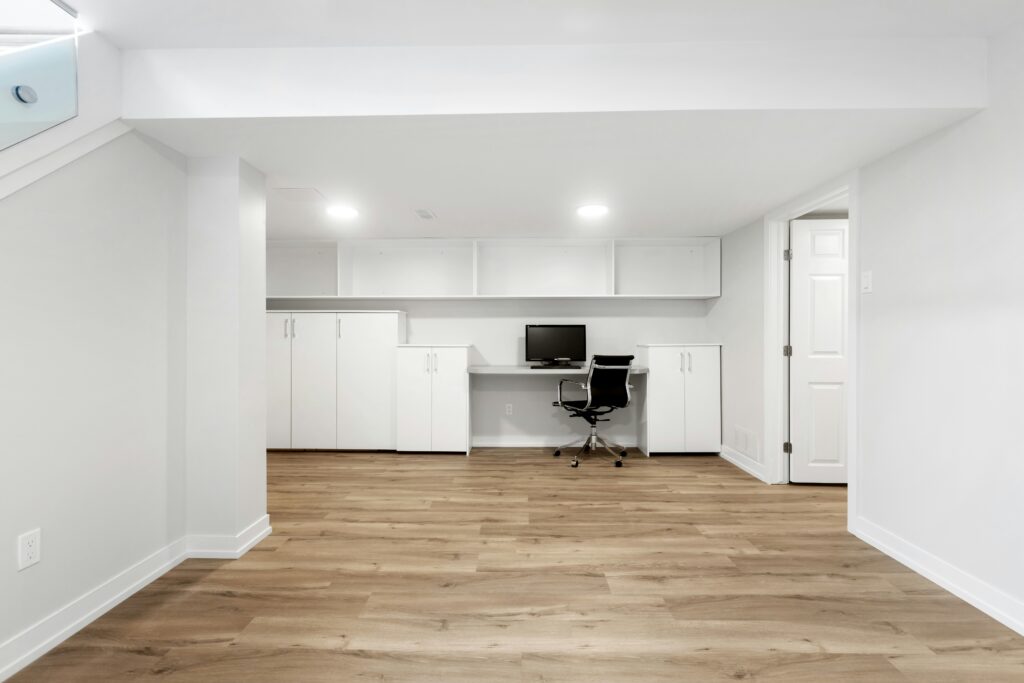
That basement isn’t just wasted space; it’s money sitting there doing nothing. Most Michigan homeowners walk past their basement stairs every single day. Down there? Pure chaos. Christmas decorations from when the kids were little, exercise equipment that hasn’t seen action since 2019, and boxes labeled “miscellaneous” that nobody wants to open. Meanwhile, upstairs gets more crowded by the day. Kids outgrow sharing rooms; in-laws visit more often, and work-from-home situations demand extra space. The solution’s been sitting right underneath their feet this whole time. That’s when you need to utilize the space for something more useful. Here are the top six ideas for basement bedrooms that would add value to your Michigan home: Key Takeaways: Basement conversions add valuable living space without expensive additions Code requirements including egress windows and ceiling height aren’t negotiable in Michigan Underground hotel suite concept uses layered lighting and dark colors to create luxury feel Secret garden hideaways combat Michigan winters with indoor plants and natural elements Industrial farmhouse style embraces exposed elements while meeting code requirements Kids’ basement bedrooms provide privacy and quiet study spaces with proper safety features Guest suites need temperature control, quality bedding, and bathroom access Professional installation ensures moisture control and code compliance for lasting value 1. An Underground Hotel Suite Five-star hotels spend millions figuring out how to make guests feel pampered. Steal their tricks for basement bedrooms and watch the magic happen. Lighting Is Everything Lighting makes or breaks these spaces. Those horrible fluorescent strips? Ditch them immediately. Hunt for table lamps at garage sales, string up some warm LED strips and maybe grab one knockout ceiling fixture. Layer different light sources, and suddenly, that dreary basement becomes a cozy retreat. Paint colors can fool the eye big time. Bright whites show every crack, every weird basement imperfection. Dark colors, though? They hide flaws while creating intimate vibes. Navy blues, forest greens, and even charcoal gray work wonders down there. Climate control can’t be an afterthought. Nobody sleeps well when it’s freezing in January or stifling in August. Mini-split systems handle temperature perfectly, plus they’re quieter than trying to retrofit existing HVAC. Basement bedroom windows usually can’t accommodate regular window units anyway. Transform your basement into a luxury suite Contact Michigan Rose Construction for a design consultation. Click Here If you live here, you already know: Michigan doesn’t do “mild.” It’s either snow or sun, and your bathroom needs to be ready for both. That means materials that withstand moisture, sudden temperature shifts, and the occasional muddy boot from a backyard detour. Smart Material Choices Do you want porcelain or ceramic tile with heating in the floor? Yes, please. Quartz countertops that look like marble but don’t need a lot of care? Of course. Wood-look finishes that don’t warp and let the outside in? That’s a smart way to remodel, and it’s what Michigan Rose Construction does best. If you’re thinking about those Pinterest-perfect wood vanities, make sure to use engineered or treated materials that won’t warp in high humidity. Untreated wood doesn’t do well in Michigan air. 2. Secret Garden Hideaway Indoor gardens in basements sound nuts until seeing one done right. Then it’s pure genius, especially during Michigan’s endless winters when everyone craves green space. Plants That Thrive Underground Certain plants thrive in low-light basement conditions. Snake plants practically grow themselves. Pothos vines trail beautifully from shelves. Zanzibar plants handle neglect like champs. Add some grow lights, and the whole space comes alive. Plus, plants actually clean the air, which helps with musty basement odors. Reclaimed materials add character without destroying budgets. Old barn wood (Michigan’s got plenty) creates gorgeous accent walls. Stone textures, bamboo details, and earthy paint colors complete the outdoor vibe indoors. Tiny water features seem excessive until you experience how they mask furnace noise and create genuine relaxation sounds. Just handle drainage properly; basements and water need careful management in Michigan’s climate. 3. Create a Cozy Reading Nook Book lovers instantly understand this concept. Everyone else needs to see finished results before believing. Then they want one, too. Built-In Storage Solutions Built-in bookshelves transform basement proportions completely. Floor-to-ceiling versions make rooms appear taller. They organize collections while breaking up awkward layouts that basements often have. Seating requires investment in comfort over appearance. Cheap chairs look okay initially, but feel terrible after reading sessions. Estate sales and consignment shops offer quality pieces at reasonable prices. That perfect worn leather chair with actual back support? Worth hunting for. Storage becomes an obsession once it starts. Window seats hiding blankets underneath, floating shelves displaying favorites, under-bed drawers sliding smoothly. Future buyers notice thoughtful storage everywhere. 4. Industrial Farmhouse Design This style happened because people got tired of fighting the basement reality. Work with it instead. Exposed brick walls become features, not problems. Concrete floors get polished up and celebrated. Visible pipes get painted in dramatic colors. Embracing Basement Elements Barn doors solve multiple basement problems at once. Regular doors may not fit unusual layouts or swing smoothly. Barn doors slide sideways, save space, and scream farmhouse style. Win-win-win situation. Metal fixtures mixed with reclaimed wood beams and soft fabrics create the perfect balance. The industrial edge gets softened by cozy textiles. Basement bedroom code requirements actually help here – exposed structural elements become design features instead of code violations to hide. Michigan offers tons of authentic reclaimed materials. Old barns get demolished regularly. Factory buildings get renovated. Score genuine pieces without paying boutique markup prices. Ready to embrace industrial farmhouse style? Schedule your consultation with Michigan Rose Construction. Click Here 5. Carve Out a Kid’s Bedroom Kids outgrow shared bedrooms faster than parents expect. Suddenly, that sweet sibling bonding turns into daily battles over space, privacy, and who gets the good side of the room. Safety First for Kids’ Spaces Basement bedrooms give kids their own territory without major home additions. The underground location actually works in their favor – naturally quieter for homework, friends can hang out without bothering parents upstairs, and
Master Bath Spa Ideas: Creating Your Michigan Luxury Retreat
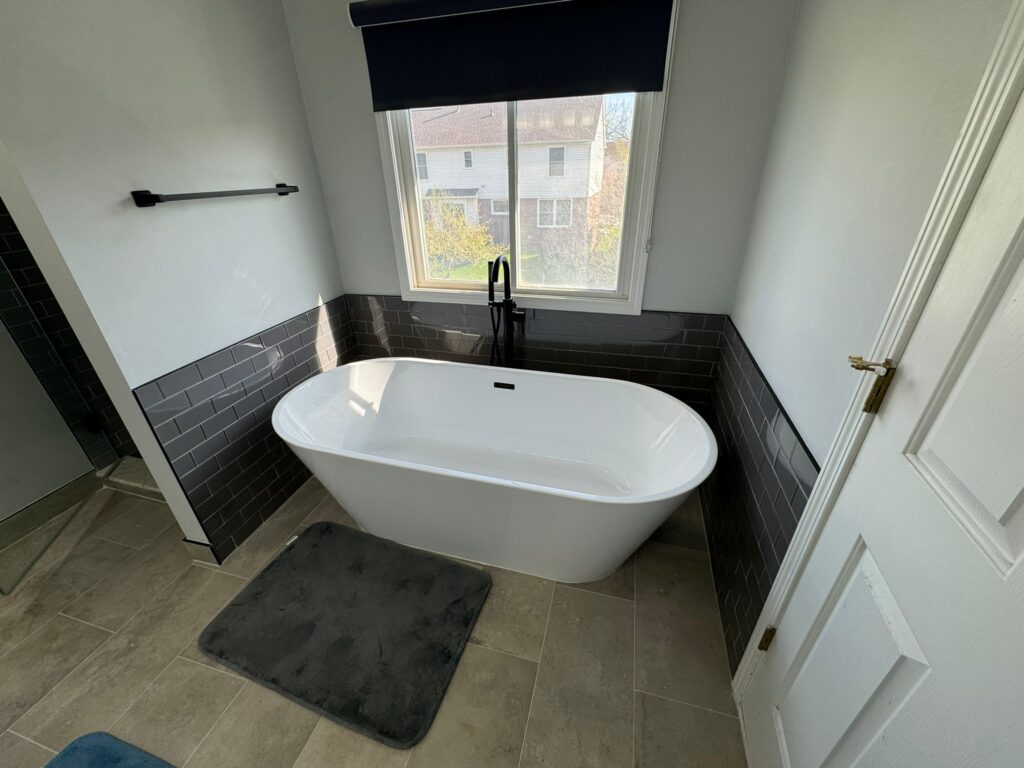
Long day? Retreat to your bathroom, not your living room. There’s a reason why people are turning their master bathrooms into serene, spa-like sanctuaries. After all, if you’re going to spend that much time in a room every day, why not make it somewhere you actually want to be? Especially in Michigan, where the winters bite, your master bath should feel like an escape, not a chore. Key Takeaways: Michigan’s harsh winters make spa-like bathrooms essential for daily comfort and relaxation Heated floors and towel warmers aren’t luxuries—they’re necessities in Michigan homes Materials matter: Choose moisture-resistant options like porcelain, quartz, and treated wood Walk-in showers with steam features and freestanding tubs create true spa experiences Layered lighting transforms clinical bathrooms into warm, inviting retreats Smart storage solutions maintain the serene atmosphere essential to spa design Eco-conscious upgrades reduce utility costs while maintaining luxury feel Professional design ensures materials withstand Michigan’s temperature swings and humidity Michigan’s Hidden Luxury: Your Own Spa at Home Let’s face it. You’ve daydreamed about soaking in a tub, candles flickering, and gentle music playing in the background. That’s not just vacation material anymore. With the right master bath ideas, you can turn your existing space into something straight out of a luxury retreat brochure. We’re talking about more than just a bathroom upgrade here. We’re talking about luxury bathroom design tailored for Michigan homes. Michigan Rose Construction provides you with warm lighting, elegant finishes, and smart functionality. All these efforts are conducted to make you feel pampered every single day. Ready to create your spa retreat? Contact Michigan Rose Construction for a design consultation. Click Here From Basic to Beautiful: What Makes a Spa Bathroom Work A spa-like master bathroom doesn’t really say “luxury.” Sound, color, and texture all work together to make you feel calm as soon as you walk in. Colors that make you feel calm, like soft taupes, muted greens, and foggy grays, are a lot like the quiet of Michigan winters. The Power of Sensory Design Don’t forget how strong your senses are. It feels good to “ahhhh” in front of soft towels, heated floors, and showers that feel like rain. A high-end bathroom should look nice and make you feel good. A stand-alone tub, a boldly tiled wall, or a custom vanity are all common places for designers to start. After that, they make the energy of the whole room fit around it. That style is liked by many people, not just you. All over Michigan, people are using these master bathroom ideas. Tiling, Textures, and the Michigan Climate If you live here, you already know: Michigan doesn’t do “mild.” It’s either snow or sun, and your bathroom needs to be ready for both. That means materials that withstand moisture, sudden temperature shifts, and the occasional muddy boot from a backyard detour. Smart Material Choices Do you want porcelain or ceramic tile with heating in the floor? Yes, please. Quartz countertops that look like marble but don’t need a lot of care? Of course. Wood-look finishes that don’t warp and let the outside in? That’s a smart way to remodel, and it’s what Michigan Rose Construction does best. If you’re thinking about those Pinterest-perfect wood vanities, make sure to use engineered or treated materials that won’t warp in high humidity. Untreated wood doesn’t do well in Michigan air. It’s All About the Shower (and the Tub, Too) Let’s get real. A glorified showerhead won’t cut it anymore. Walk-In Shower Excellence Today’s best master bath ideas feature walk-in, doorless showers with frameless glass panels, rain shower systems, and steam features. Some even have seating built in, so you can steam away your stress like you’re in an upscale sauna. Statement Soaking Tubs But don’t forget the soaking tub. Even if you’re more of a shower person, a deep, freestanding tub makes a serious visual statement. Pair it with a chandelier (yes, a chandelier in the bathroom) or a large frosted window for that high-end spa feel. Can’t decide between the two? Don’t. Your new master bath should do both, and do it beautifully. The Power of Lighting (You Need More Than You Think) Lighting might be the most overlooked feature in bathroom remodeling. And yet it changes everything. Spa bathrooms don’t feel clinical. They’re warm, soft, and layered. Recessed ceiling lights give you general brightness, while vanity sconces provide function. Add under-cabinet lighting or backlit mirrors, and suddenly your bathroom glows, not glares. Natural Light Solutions Natural light plays a role, too. Skylights or frosted windows allow for privacy without sacrificing sunshine. In winter, that little bit of light can lift your mood, and help you wake up faster. Want your lighting design to reflect Michigan’s unique light patterns? Start with the professionals at Michigan Rose Construction. They know exactly how to balance ambiance and functionality, no matter the season. Smart Features That Actually Make Sense There’s “cool,” and then there’s “cool and useful.” The latest master bath ideas are leaning toward both. Here’s what’s trending, and what also works: Heated floors: Michigan floors in February? Enough said. Bluetooth speakers: Because spa playlists matter. Towel warmers: Subtle luxury you’ll miss the moment you stay at a hotel without one. Smart mirrors: Anti-fog, backlit, and sometimes voice-controlled. Yes, really. Water-efficient fixtures: Luxurious without being wasteful. These aren’t just gimmicks. They elevate your daily routine without adding unnecessary noise or complexity. Good luxury bathroom design should feel intuitive. Transform your bathroom lighting. Schedule your consultation with Michigan Rose Construction. Click Here Organization: The Unsung Hero of a Spa Retreat Here’s a truth bomb: a messy spa is not a spa. So when remodeling, don’t skip smart storage. Deep drawers with built-in dividers, floating shelves for your rolled towels and essential oils, or even sleek wall niches – all help keep the space serene. Custom Storage Solutions Clutter clutters the mind. A clean master bath clears it. Plus, customized storage solutions are easier to add than you think, especially when working with a contractor
5 Smart Home Technology Integration in Basement Remodeling
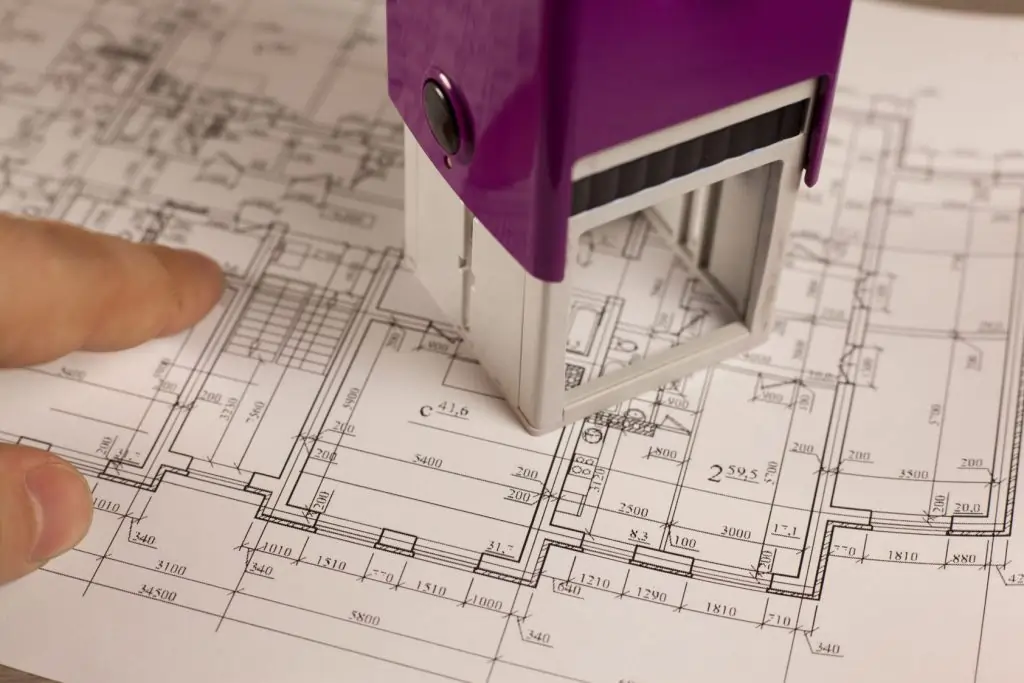
Basement remodeling with smart home technology creates spaces that would have seemed impossible just a few years ago. What used to be dark, damp storage areas now become sophisticated living environments. Michigan’s wild weather swings create basement nightmares. Smart systems solve these problems automatically, maintaining perfect conditions without constant fussing. In this blog, we will discuss everything you need to know about smart home integration in basement remodeling. Key Takeaways: Smart climate control automatically manages Michigan’s humidity and temperature extremes Intelligent lighting systems reduce energy costs while creating perfect ambiance Automated moisture monitoring prevents mold and protects your investment Motion sensors and smart bulbs eliminate dark stairways and forgotten lights Wi-Fi connectivity challenges require mesh networks or powerline adapters in basements Professional installation during renovation ensures proper infrastructure for future devices Energy monitoring can reduce basement electricity usage by 30-40% Voice-controlled entertainment systems transform basements into sophisticated living spaces Why Smart Technology Changes Everything for Basement Remodels? Energy efficiency drives most smart home adoption. Basements waste tremendous energy through poor climate control and forgotten lighting. Smart systems learn usage patterns and adjust accordingly. Heat empty spaces less. Light unused areas never. You can also learn more on this article. Michigan basements face unique challenges. Where on one hand humid summers create moisture problems that destroy finishes and furniture, colder temperatures make lower areas even more difficult to live in. But, Smart climate control handles both extremes without human intervention. Lighting is another important factor that transforms basement atmospheres completely. Poor illumination makes any space feel unwelcoming. Smart systems create perfect ambiance for any activity while cutting electricity costs dramatically. Ready to modernize your basement? Contact Michigan Rose Construction for smart renovation solutions. Click Here Must-Have Smart Features for Basement Renovations Intelligent Lighting Systems Motion sensors eliminate fumbling for light switches on basement stairs. Automated dimming creates perfect movie-watching environments and the scheduled lighting mimics natural daylight patterns. Smart bulbs cost more upfront but last longer and use less electricity. Their color-changing capabilities let you match lighting to activities. Bright white for work, warm yellow for relaxation, colored themes for parties. Climate Control That Works Standard thermostats fail in basements due to temperature differences across the floors. Smart systems learn these patterns and compensate automatically. Another problem that is commonly seen in basements is mold and honestly, nobody wants to deal with it. So to avoid that, you can get a dehumidifier that automatically adjusts itself based on the dampness of the area. Makes a huge difference in keeping everything at the right moisture level. Comprehensive Security Solutions Window sensors monitor basement entry points that homeowners often overlook. Door contacts track access to finished basement spaces. Motion detectors distinguish between family members and intruders. Smart cameras provide visual confirmation of alerts. Modern systems avoid false alarms while maintaining security. Phone notifications let you check basement activity from anywhere. Entertainment Integration Voice commands control multiple systems simultaneously. Say “movie time” and lights dim, temperature adjusts, and sound system activates. Gaming modes optimize settings for interactive entertainment. Everything responds to single commands. Automated Window Coverings Privacy control becomes important when basements become living spaces. Smart blinds and curtains operate on schedules or voice commands. Open for natural light during day, close for privacy at night. Motorized window treatments look expensive but cost less than expected. Installation during renovation hides wiring and provides a clean finished appearance. Michigan-Specific Automation Solutions Basement Office Optimization Working from home requires professional environments. Smart lighting adjusts throughout the day to reduce eye strain. Temperature control maintains comfort during long work sessions. Noise reduction systems filter out household sounds from upstairs. Important for video calls and concentration. Smart speakers can also generate white noise or nature sounds for focus. Entertainment Room Automation Home theaters benefit enormously from integrated control. Lighting scenes match content types—bright for sports, dimmed for movies, colored for gaming. Temperature drops automatically before groups gather. Smart furniture exists but remains expensive. Motorized recliners and adjustable tables add luxury but aren’t necessary for good automation systems. Moisture and Humidity Management You know how it is in Michigan, your basement’s always got moisture issues. Doesn’t matter if it’s spring with all that melting snow, summer when it’s so muggy you can barely breathe, or fall when the temperature’s all over the place. Your poor basement takes a beating. These days you can get sensors that keep track and they’ll watch the humidity levels, check the temperature, and even test how clean the air is. Energy Monitoring and Control Basement workshops and hobby areas often contain power-hungry equipment. Smart outlets monitor usage and can shut off forgotten devices automatically. Phantom power drawn from entertainment systems adds up quickly. Smart power strips eliminate standby consumption while maintaining device settings and memories. Transform your basement with smart technology. Schedule your consultation with Michigan Rose Construction. Click Here Planning Smart Integration During Renovation Timing matters enormously for smart home integration. Install wiring and networking infrastructure before finishing walls. Add smart devices after construction but before final cleanup. Essential Infrastructure Planning Electrical planning requires extra outlets and dedicated circuits for some smart devices. Low-voltage wiring for sensors and networking needs planning alongside standard electrical work. Wi-Fi coverage often fails in basements. Concrete and metal interference require careful planning. Mesh networks or dedicated access points solve connectivity problems. Device compatibility prevents future headaches. Stick with major platforms like Alexa, Google, or Apple HomeKit. Avoid proprietary systems that might not integrate with future purchases. Professional vs. DIY Installation Professional installation makes sense for complex systems. Electricians familiar with smart home technology can plan infrastructure properly. DIY installation works for simple devices but risks problems with complex integration. Budget for smart technology during renovation planning. Costs vary widely based on features and integration complexity. Basic automation costs less than full integration but provides fewer benefits. Smart basement renovation creates spaces that rival any room in your house. Proper planning during construction provides the foundation for technology that makes basements actually enjoyable to use. Common Challenges