
Top 10 Basement Design Mistakes to Avoid in Michigan Homes
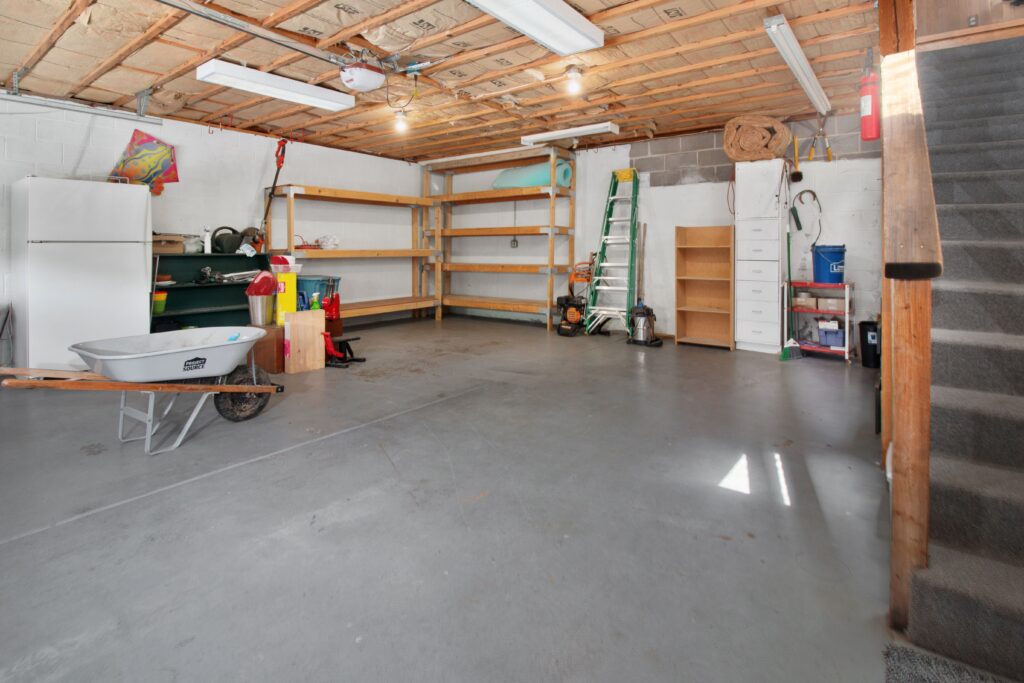
By Sean Kurtz, Founder — Michigan Rose Construction | LARA Licensed Residential Builder #262300264 Basements can either be your favorite room or your biggest regret. In Michigan homes, a basement holds massive potential. You can transform them into home theaters, laundry rooms, home gyms, etc. But to get there, you need more than just vision. You need to avoid the common design mistakes that many fall into. The right basement remodeling tips can save you from costly repairs, code violations, or even complete do-overs. At MichRose Construction, we’ve helped dozens of Michigan homeowners navigate their remodels with confidence. And we’ve seen just about every mistake in the book. Let’s make sure you do not repeat them. Key Takeaways Fix moisture before anything else. Interior sealants, a sump pump, vapor barriers, and proper exterior grading come before framing, flooring, or finishes. Everything built over a wet slab eventually gets torn out. Skip fiberglass batt insulation below grade. Rigid foam board or spray foam resists moisture, holds its R-value, and will not sag or feed mold the way batts do in a damp Michigan basement. Michigan code requires 7 feet of ceiling height for habitable space. Flat ceilings with recessed lighting preserve that clearance better than soffits and dropped duct runs. Egress windows are non-negotiable for basement bedrooms and living areas. They are both a code requirement and the difference between a finished space and one that fails inspection. Layer your lighting instead of relying on windows. Recessed ceiling lights for overall brightness, sconces or under-cabinet strips for atmosphere, lamps for task work, and warm-toned bulbs throughout. Plan airflow during design, not after drywall. HVAC extension alone often falls short, so budget for a dedicated dehumidifier, ERV, or ductless mini-split while walls are still open. Choose below-grade flooring materials. Luxury vinyl plank, LVT, ceramic tile, and epoxy handle moisture and wear far better than hardwood, engineered wood, or thick carpet. Favor open layouts with defined zones. Over-partitioning wastes square footage, and utility areas still need clearance and easy access for service. Soundproof any room that sits under living space. Insulation, double drywall, acoustic panels, and underlayment keep a basement gym or theater from turning the main floor into an echo chamber. Leave structural, plumbing, and electrical work to licensed pros. Permits and code compliance are where DIY basement projects get expensive, while paint and finish work are reasonable to take on yourself. Planning a basement project this year? Talk to the Michrose Construction team about your space. We will walk through moisture conditions, ceiling clearance, and egress requirements before you commit to a single design decision. Click Here Why Michigan Basements Demand Extra Attention Michigan has its own basement challenges. From freeze-thaw cycles and high humidity to older home foundations and strict local building codes, this is not a one-size-fits-all remodeling scenario. Ignoring local considerations is one of the most common basement problems. Waterproofing, insulation, and even layout choices work differently in a climate like ours. That is why every remodeling plan in Michigan needs a region-specific checklist. Michigan has its own basement challenges. From freeze-thaw cycles and high humidity to older home foundations and strict local building codes, this is not a one-size-fits-all remodeling scenario. Ignoring local considerations is one of the most common basement problems. Waterproofing, insulation, and even layout choices work differently in a climate like ours. That is why every remodeling plan in Michigan needs a region-specific checklist. Mistake #1: Skipping Waterproofing Prep One of the most important basement remodeling tips is that water is the basement’s worst enemy. Even before you think about wall colors or furniture, you need to ask: is the space dry? Too many homeowners jump into flooring and framing without checking for leaks, condensation, or foundation cracks. Then comes the mold. The buckling floors. The musty smell that never leaves. Proper waterproofing includes interior sealants, sump pumps, vapor barriers, and often exterior work like grading. Basement remodeling tips always start with this: fix moisture first; design later. At MichRose, we inspect every surface before anything is built in. Explore our complete remodeling process here. Mistake #2: Choosing the Wrong Insulation Some materials just do not belong underground. Fiberglass batt insulation might seem cheap and easy, but it’s a magnet for mold in damp environments. What works best in Michigan basements? Rigid foam boards or spray foam. They resist moisture, insulate well against the cold, and don’t sag over time. Ignoring insulation is a shortcut to shivering winters. It also increases heating costs. Whether you’re building a rec room or rental unit, one of the key basement remodeling tips is to insulate smart and stay warm. Want to know your options? Reach out to us directly. Mistake #3: Low Ceilings and Poor Planning Ceiling height can make or break your basement’s usability. Michigan building code requires at least 7 feet of height for habitable spaces. Forgetting such basement remodeling tips is more common than you’d think. Dropping ceilings further with unnecessary soffits or duct runs can leave your space feeling tight and unfinished. If utilities are in the way, plan around them or find a layout that minimizes bulkiness. MichRose often recommends flat ceilings with recessed lighting to maximize vertical space without sacrificing design. Small basement remodeling tips like this make basements feel bigger and more inviting. Mistake #4: Forgetting About Egress Windows Here’s a safety issue that also affects legality. Bedrooms and living spaces in Michigan basements require egress windows. Without such basement remodeling tips, your remodel might fail inspection or become a serious hazard. These windows offer emergency exits and let in valuable natural light. Yes, they can require digging and structural changes; but they’re non-negotiable if you want a finished, code-compliant space. If you’re looking to install a guest room or home office downstairs, we can help you handle permits and design with egress in mind. Mistake #5: Lighting That Leaves You in the Dark Natural light in basements is limited.
Michigan Basement Ideas That Actually Work Downstairs
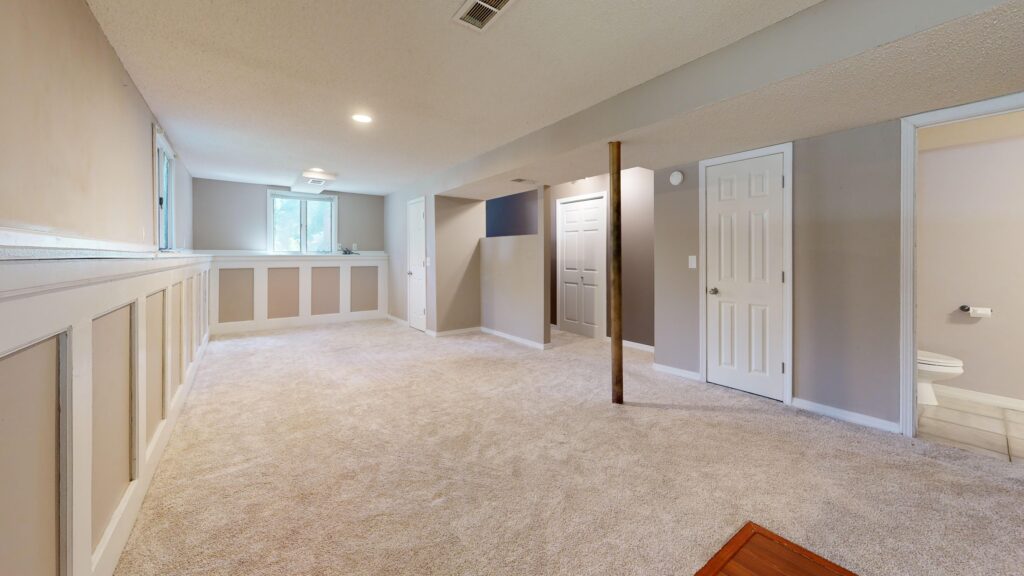
By Sean Kurtz, Founder — Michigan Rose Construction | LARA Licensed Residential Builder #262300264 What if I told you that musty space downstairs could be the solution to half your family’s problems? Michigan homeowners spent years figuring out their basements and let me tell you, some of the coolest spaces start as complete disasters. Stone walls that look like they belong in a medieval dungeon. Concrete floors that had seen better decades. Ceilings so low you had to duck around the ductwork. But here’s what I’ve learned: Michigan basements are different. We’re not dealing with the same issues as people in Arizona or Florida. Our basements have personality, sometimes too much personality. Let’s walk through ten basement floor plans that actually work in Michigan homes. Not Pinterest-perfect spaces that fall apart after one humid summer, but real solutions for real families who need their basements to pull their weight. Key Takeaways Match the layout to your square footage. Big open basements (600+ sq ft) handle multi-use “everything spaces”; smaller basements do better with a single focused zone like a gym or office. Keep seating off exterior walls. Foundation walls stay cold even with good insulation, so plan furniture layout around that. Egress windows are mandatory for basement bedrooms. Any guest suite counted as a bedroom under Michigan code needs one, no exceptions. Luxury vinyl plank is the go-to basement flooring for most layouts since it resists moisture better than hardwood or carpet. Permits and professional input matter most for electrical, plumbing, and structural work. Cosmetic work (paint, flooring, furniture) is reasonable to DIY. Michigan’s seasons shape the ROI. Layouts that add usable space for the long winter stretch (Nov to March) get the most year-round use. Ready to Start Your Basement Project? Michigan Rose Construction has helped homeowners across Ann Arbor, Saline, Ypsilanti, Canton, and Plymouth turn unused basements into the most-used room in the house. Our team handles everything from planning and permits to the final finishing touches, so you don’t have to guess your way through Michigan’s building codes. Click Here Layout #1: The Everything Space (For Big Basements) If you’ve got a big rectangular basement, say 600 square feet or more, consider yourself lucky. This is where you can really go crazy with an open concept layout that handles everything your family throws at it. Let’s imagine that you are walking downstairs and it reveals one flowing space that somehow manages to be a TV room, game room, and party space all at once. The trick is creating zones without walls. Area rugs define different areas – maybe a big sectional facing the TV, a separate conversation area with chairs, and a game zone with a pool table. Here’s what works specifically well for Michigan families: keep your main seating away from exterior walls. Even with good insulation, those foundation walls stay cold. Nobody wants to watch the Lions lose while their back is freezing against a concrete wall. Use those perimeter areas for bars, storage, or decorative stuff. For flooring, a luxury vinyl plank is a smart choice. It looks like hardwood but handles moisture way better, and it’s warmer under your feet than tile. If you really want to get fancy, radiant floor heating isn’t as expensive as you might think and makes a huge difference during endless winters. The best part about this layout? It works year-round. Summer barbecue got rained out? Move the party downstairs. January and everyone’s going stir-crazy? There’s room for the whole family to spread out without stepping on each other. Layout #2: The Family Zone Approach Not every family needs one giant room. Sometimes you need your basement to be a little bit of everything for everyone. This is where the multi-zone approach really shines. Think about dividing your space into different areas: a kids’ play zone with washable carpet and toy storage, an adult relaxation area with comfy chairs and good reading light, maybe a workout corner with rubber flooring, and a study nook with built-in desk space. The secret is using dividers that don’t make the space feel chopped up. Tall bookcases work great – they give you storage and separation without blocking all the light. Curtains on ceiling tracks work well too. You can close off areas when you need privacy but keep everything open most of the time. This layout is perfect for Michigan families because it handles everyone’s indoor needs during long winters. Mom can do yoga while dad watches the game, kids can play without bothering anyone, and everyone stays sane when it’s been snowing for three weeks straight. Layout #3: The Guest Suite Setup Here’s something you see a lot in Michigan: families with guests. Lake houses, hunting cabins, and families scattered around the Midwest. Everyone needs somewhere to put visitors, and a basement guest suite can be absolutely perfect. Your guest suite needs a comfortable sleeping area (could be a permanent bed or a really nice sleeper sofa), a sitting area where guests can hang out without bothering your family, and access to a bathroom. If you don’t have a basement bathroom, adding one might be worth it for the convenience. Now, here’s the important Michigan part: if you’re calling it a bedroom, you need an egress window. Michigan building codes don’t mess around with this. The window has to be big enough for emergency exit. It’s not cheap, but it’s not optional either. Extra insulation and heated floors for guest areas are always recommended. Nothing says “welcome to Michigan” like warm floors on a January morning. Add a mini-fridge and coffee setup, and your guests won’t even need to come upstairs until they’re ready to face the world. Layout #4: The Work-From-Home Command Center The pandemic changed everything about home offices, and basements turned out to be perfect for working from home. There’s something about being below grade that just naturally creates focus. Less noise, fewer distractions, steady temperature. Design your office with
How to Choose the Right Contractor for a Second-Story Addition or Whole-Home Remodel in Michigan

By Sean Kurtz, Founder — Michigan Rose Construction | LARA Licensed Residential Builder #262300264 Key Takeaways Verify the contractor’s Michigan residential builder license before you compare prices. A second-story addition is judged first by structure (foundation, framing, roof). A whole-home remodel is judged by coordination (trades, sequencing, systems). Get a written scope, payment schedule, and change-order process before any work starts. Ask who pulls permits and who handles engineering, and get the answer in the contract. Michigan Rose Construction (MichRose) serves Ann Arbor, Saline, Ypsilanti, and nearby Eastern Michigan communities. Ready to create more space without leaving the home you love? Explore Second-Story Additions with Michigan Rose Construction and discover the possibilities for your home. Click Here Build Up or Remodel Inside? Start With the Right Questions When your home stops fitting your family, you usually have three paths: remodel what you have, build upward, or do both. A second-story addition adds bedrooms or a primary suite without giving up your yard. A whole-home remodel fixes layouts, finishes, and aging systems across many rooms. Either way, the contractor matters as much as the floor plan. This guide walks through six checks to run before you sign anything. Verify the License First Michigan requires a residential builder or maintenance and alteration contractor license for most residential work above a small dollar threshold. Confirm the current rules and look up any contractor on the state’s license lookup at the Michigan Department of Licensing and Regulatory Affairs (LARA). Check three things: the license is active, the name matches the company on your contract, and the contractor carries liability insurance and workers’ compensation coverage. Ask for certificates, not verbal assurances. MichRose’s founder, Sean Kurtz, is a LARA-licensed residential builder (license number 262300264), and the company is a member of the Builders & Remodelers Association of Greater Ann Arbor. Look up the license yourself. It takes two minutes. Compare Proposals Line by Line, Not Just the Bottom Line The lowest bid is rarely the lowest final cost. A solid proposal for a major project should spell out: The full scope of work and what is excluded Materials, brands, and allowances (and who covers overages) Payment schedule tied to milestones Who handles structural engineering, permits, and inspections How changes are priced and approved in writing Estimated start date and duration If two bids differ by a lot, the gap is usually in scope, allowances, or excluded items. Ask each contractor to explain the difference rather than choosing the cheaper number. MichRose provides written project scopes and proposals, which makes side-by-side comparison easier. Match the Contractor to the Project Type Second-story addition Whole-home remodel Main risk Whether the existing foundation and framing can carry a new level Coordinating many trades and decisions at once Key questions Who evaluates the structure? How is the roof removed and protected during construction? How will HVAC, plumbing, and stairs connect old and new? Who sequences the trades? How are electrical and plumbing updates handled behind walls? What happens when hidden conditions appear? Living situation Often livable during early phases, but weather protection is critical Plan for stretches without kitchen or bathrooms Typical early step Structural evaluation and engineering Detailed scope and finish selections Thinking about updating multiple rooms or transforming your home’s layout? Explore Whole-Home Remodeling with MichRose to learn more about your renovation options. Click Here Know Your Local Permit and Review Process Permit rules vary by municipality, and major projects often involve zoning review, building permits, separate trade permits, and inspections. Start with your local building department: City of Ann Arbor Building and Rental Services City of Saline City of Ypsilanti Ann Arbor adds a wrinkle for many homeowners. If your home is in a local historic district, exterior changes, including an added story, may need review by the Historic District Commission before a permit is issued. Older neighborhoods also tend to have older framing, knob-and-tube or outdated wiring, and foundations that were never designed for a second floor, so early structural evaluation is not optional. Michigan’s climate matters too. Roof design, insulation, and framing for a new level must account for snow load and winter heat loss, so ask how the contractor addresses both. Ask directly: who submits the permit applications, who pays the fees, and who schedules inspections? MichRose lists permit coordination as part of its second-story addition services. Confirm exactly what is included in your agreement. Test Their Communication Before You Hire Major remodels last months. The way a contractor communicates during the estimate is the best preview of how they will communicate during construction. Ask: Who is my single point of contact? How often will I get updates, and in what form? What happens when you uncover an unexpected condition? Will you get my written approval before any extra work? Slow, vague answers now rarely become fast, clear answers later. Get the Warranty and References in Writing Ask for the warranty terms as a document, including what is covered, for how long, and how to report a problem. MichRose describes a one-year labor warranty covering craftsmanship and installation. Request the current written terms, including exclusions. Then call references. Ask past clients whether the project finished on schedule, how changes were handled, and whether they would hire the contractor again. Red Flags to Watch For A request for a large upfront payment before any work or materials Pressure to sign quickly or “limited-time” discounts Vague proposals with no scope detail No written change-order process An unwillingness to show a license number or insurance certificates Suggesting you skip permits to save money About Michigan Rose Construction MichRose is a residential remodeling company based in Saline, serving Ann Arbor and surrounding Eastern Michigan communities. Its services include second-story additions and whole-home renovations. Judge it by the same checklist above: license, proposal detail, permit responsibilities, communication, and warranty. Ready to discuss your project? Call Michigan Rose Construction at (734) 307-2019 or visit michrose.com to request a free, no-obligation
Second Story Addition Permits in Ann Arbor: What Homeowners Need to Know
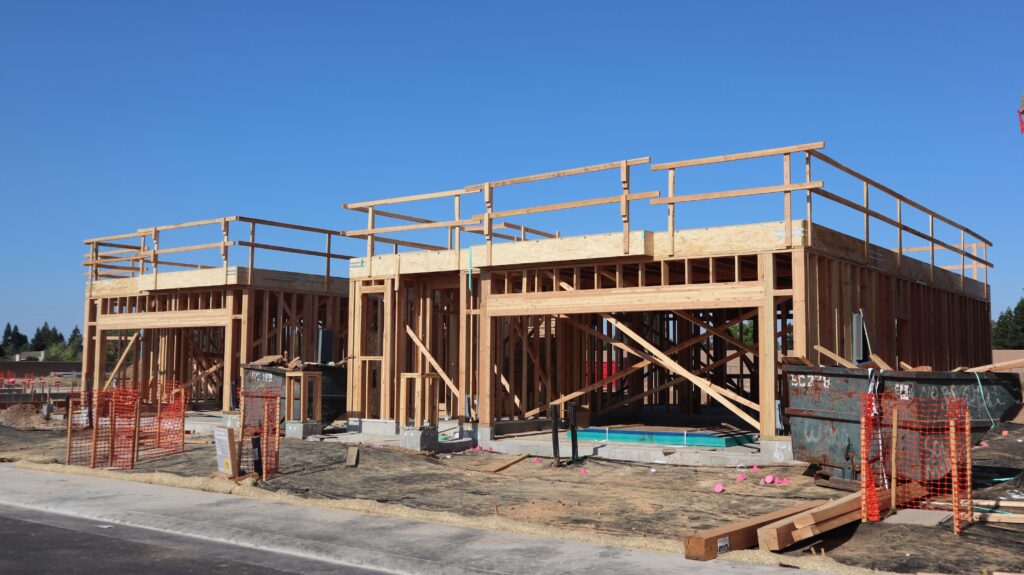
By Sean Kurtz, Founder — Michigan Rose Construction | LARA Licensed Residential Builder #262300264 Planning a second-story addition involves more than choosing a floor plan. Homeowners must understand local zoning requirements, building permits, structural documentation, and inspections before construction begins. For homeowners in Ann Arbor and Washtenaw County, understanding these requirements early can help prevent avoidable redesigns and delays. Here is what to consider before moving forward with your second-story addition. Key Takeaways A second-story addition typically requires building permits and may also require zoning review and trade permits. Requirements depend on the municipality, property, and details of the proposed work. Zoning rules can affect building height, setbacks, lot coverage, and other site conditions. Structural plans and professional evaluations help demonstrate how the existing home will support the new level. Required inspections should be planned into the project schedule, not treated as a final formality. A qualified local contractor can help coordinate documentation, permit applications, and inspection stages. Ready to create more space in your home? Explore second story addition services in Ann Arbor and discover options for a layout that fits your family’s needs. Click Here Start by Confirming Which Local Rules Apply Start by identifying whether your home falls within Ann Arbor city limits or another municipality in Washtenaw County. Different cities and townships may have different application procedures and local requirements. For properties within Ann Arbor, the City’s building permits page explains how construction projects are reviewed. The city uses its STREAM online permitting system for applications, project management, and inspection requests. You should also review the applicable Michigan requirements through the state’s building permit information page. Do not assume that approval for a similar neighboring property guarantees approval for yours. Your property’s location, existing structure, and proposed design all matter. Understand the Zoning Questions Before Design Is Finalized Zoning determines whether a proposed structure meets applicable land-use and property development rules. For a second-story addition, relevant considerations may include building height, setbacks, and other site-specific restrictions. Some properties may also be subject to historic-district review or homeowners association requirements. These reviews are separate from ordinary building-code compliance. For Ann Arbor properties, consult the city’s zoning and planning resources. Ask whether additional approvals apply before committing to a final design. Addressing zoning questions early can help your design team identify potential conflicts before detailed drawings and construction documents are completed. Prepare for Structural Documentation Adding another floor changes the loads carried by the existing house. The foundation, footings, framing, and load-bearing components must be evaluated to determine whether they can support the proposed addition. Depending on the home’s condition and project scope, structural calculations, engineered drawings, or reinforcement plans may be needed. Older homes deserve particular attention because their original construction may differ from current requirements. A professional evaluation can identify limitations that affect the design and construction plan. Ask your contractor who will coordinate the structural assessment, prepare the necessary documents, and address any reinforcement identified during the review. Ask Which Permits and Trade Reviews Are Needed A second-story addition commonly involves a building permit, but the full scope may also require separate permits or reviews for electrical, plumbing, mechanical, or other work. The exact requirements depend on the project and the authority having jurisdiction. Before signing a construction agreement, ask for an explanation of which permits are expected, who will apply for them, and which fees are included in the estimate. Confirm whether the contractor will coordinate the required trade permits and inspections. Do not begin regulated construction work before the required approvals are in place. Start Planning Your Home Expansion Make room for your family’s next chapter without leaving the neighborhood you love. Contact Michigan Rose Construction to discuss your second story addition project. Click Here Plan Inspections as Part of the Schedule Permit compliance continues after construction begins. Depending on the approved plans, inspections may be required for framing, structural work, insulation, electrical systems, plumbing, mechanical systems, and final completion. Inspections must occur at the appropriate stages, sometimes before work is covered by subsequent construction. Ask your contractor who will request each inspection, communicate with the local authority, and resolve any corrections. You can review Ann Arbor’s official inspection information for local scheduling procedures. Allow inspection requirements to inform the project schedule. Delays in approvals, corrections, or inspection availability can affect when the next construction phase begins. Questions to Ask Your Second-Story Addition Contractor Before construction starts, clarify how permitting and compliance will be managed. Ask these questions: Who verifies the zoning requirements for my property? Who prepares the construction drawings and coordinates engineering? Which building and trade permits will be required? Are permit fees and engineering services included in the estimate? Who schedules inspections and handles corrections? How will design changes affect approvals and the construction schedule? Will I receive copies of approved plans, permits, and inspection records? Clear answers help establish responsibilities and reduce misunderstandings during the project. Plan Your Addition With Michigan Rose Construction Michigan Rose Construction serves homeowners in Ann Arbor and surrounding Eastern Michigan communities. Led by founder Sean Kurtz, the company is a Michigan LARA-licensed residential builder (License #262300264) and handles permitting as part of its second-story addition services. Whether you are considering additional bedrooms, a primary suite, or a full second floor, the first step is understanding your home’s existing conditions and the requirements that apply to your property. Learn more about second-story additions in Ann Arbor or explore home addition costs in Ann Arbor to continue planning. Ready to discuss your project? Call Michigan Rose Construction at (734) 307-2019 or visit michrose.com to request a free, no-obligation consultation. Click Here Michigan Rose Construction has spent 15+ years helping homeowners throughout Washtenaw County, Ann Arbor, Saline, and Ypsilanti transform their backyards into beautiful, functional outdoor living spaces. As a fully licensed (License #2601230264), bonded, and insured residential builder, we deliver custom paver patio installations designed to enhance your home’s beauty, value, and long-term
Living at Home During a Second Story Addition: What Ann Arbor Homeowners Should Expect
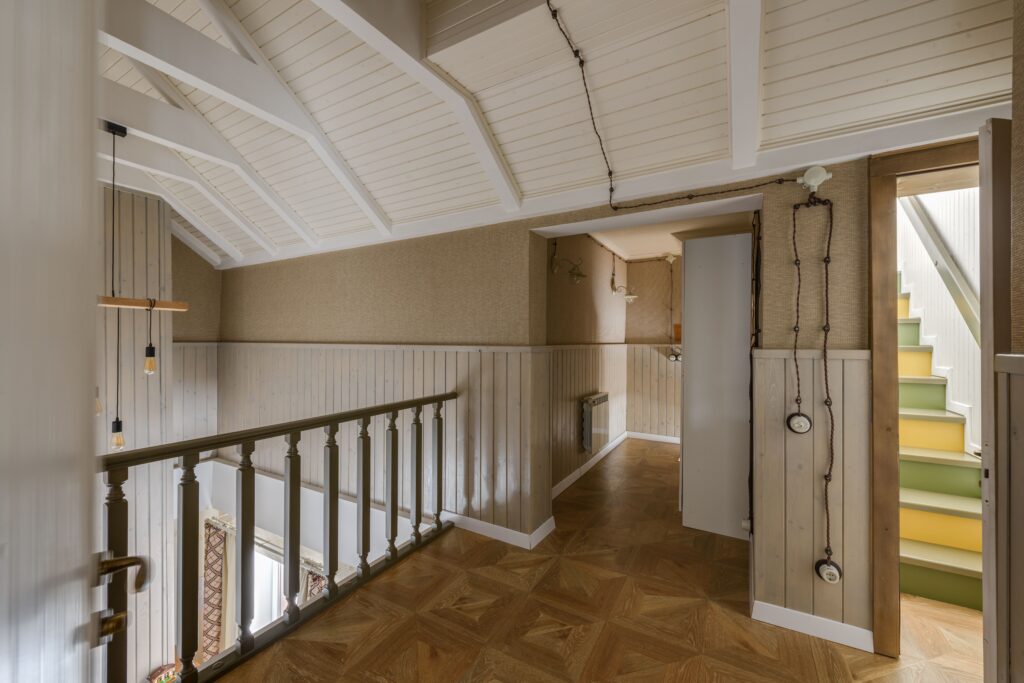
By Sean Kurtz, Founder — Michigan Rose Construction | LARA Licensed Residential Builder #262300264 A second story addition can create much-needed living space without requiring you to leave the Ann Arbor neighborhood you love. However, adding another floor is a major construction project that can affect how you use your existing home. Before construction begins, many homeowners ask the same question: Can we continue living in our house while the second story is being built? The answer depends on the home’s layout, construction methods, project schedule, and the extent of the work. Understanding the disruption ahead of time can help your family prepare, make practical decisions, and avoid unnecessary stress. Key Takeaways Living at home during a second story addition may be possible during some phases, but temporary relocation is often necessary. Roof removal, structural work, dust, noise, and restricted access can affect everyday routines. Contractors should establish a plan for weather protection, construction access, and household safety. Families should prepare for schedule changes and unexpected conditions. A project-specific consultation helps determine what living arrangements make sense. Ready to create more space in your home? Explore second story addition services in Ann Arbor and discover options for a layout that fits your family’s needs. Click Here Understand Which Construction Stages Affect Daily Life Not every stage of a second story addition affects your household in the same way. Early planning, engineering, and permitting generally create less disruption inside your home. Once construction begins, however, the work becomes more intensive. The existing roof may need to be removed or modified before the new floor can be framed. Workers may also need to reinforce structural components, install new framing, extend utilities, and connect the new level to the existing layout. During these stages, parts of the house may become inaccessible or unsuitable for everyday use. Ask your contractor to explain the expected sequence of work before construction begins. Knowing when the most disruptive activities will occur makes it easier to arrange childcare, work schedules, meals, and temporary accommodations. Prepare for Noise, Dust, and Limited Access Construction noise is one of the most noticeable changes homeowners experience. Framing, cutting, drilling, demolition, and material deliveries can make working from home or maintaining a regular sleep schedule difficult. Dust may also travel into occupied areas if appropriate containment measures are not maintained. Before work starts, discuss how the contractor will separate the construction zone from the rest of the house. Practical preparations include: Moving furniture and personal belongings away from work areas. Protecting valuables and electronics from dust. Identifying which entrances and rooms will remain accessible. Establishing designated construction access for workers. Confirming cleanup procedures and expected working hours. If you work remotely, consider arranging an alternative workspace during particularly noisy construction days. Plan for Weather Protection During Roof Removal Weather protection is one of the most important considerations when adding a second story. Once the existing roof is opened, the house needs an appropriate temporary protection plan until the new roof assembly is sufficiently weather-resistant. Rain, wind, and changing Michigan weather conditions make scheduling and site protection particularly important. Ask your contractor how the exposed structure will be protected, how unexpected weather will be handled, and what milestones must be reached before the house is considered weather-tight. You should also clarify how the contractor will communicate delays caused by rain, snow, or other unfavorable conditions. A clear protection plan helps you understand what to expect and how the project team will respond when weather affects the schedule. Decide Whether Temporary Housing Makes Sense Some homeowners hope to remain in their houses throughout construction. Others arrange temporary accommodation during the most disruptive stages. The right decision depends on the project rather than a universal rule. Consider temporary housing if the work significantly affects essential living spaces, creates safety concerns, interrupts utilities, or leaves the home exposed during critical construction stages. Families with young children, pets, or people who need a quiet environment may also find relocation more practical. Before deciding, ask your contractor which phases may make the house unsuitable for occupancy. Discuss anticipated utility interruptions, bathroom access, kitchen availability, and safe entry and exit routes. If temporary housing is necessary, confirm the likely dates and duration with your contractor. Build some flexibility into your arrangements because construction schedules can change. Start Planning Your Home Expansion Make room for your family’s next chapter without leaving the neighborhood you love. Contact Michigan Rose Construction to discuss your second story addition project. Click Here Protect Your Family and Establish Clear Boundaries An active construction site presents hazards that require careful planning. Children and pets should never enter restricted work areas, even when workers are not present. Tools, materials, open floor sections, and unfinished stairs can create risks. Work with your contractor to establish secure barriers and clearly defined household access routes. Also discuss: Where construction materials will be stored. How workers will enter and exit the property. Whether driveway or parking access will change. How deliveries and debris removal will be managed. Whom to contact when an urgent concern arises. These conversations help everyone understand their responsibilities and reduce avoidable disruptions. Keep Communication Open Throughout Construction Even with detailed plans, renovation projects can uncover unexpected conditions. Existing framing, concealed utilities, or structural issues may require additional evaluation before work continues. Regular communication helps you understand how these discoveries affect the schedule and the work being performed. Ask for a reliable contact person, routine progress updates, and advance notice of major construction milestones. If a change affects your household, request an explanation of the reason, its expected impact, and any available alternatives. Keep written records of approved changes, schedule updates, and important project decisions. A well-organized communication process makes it easier to address concerns before they become larger problems. Choose a Contractor Who Plans Beyond the New Floor A successful second story addition involves more than building additional rooms. The contractor must coordinate structural work, weather protection, site
Second Story Addition Design Ideas: How to Plan Your New Floor
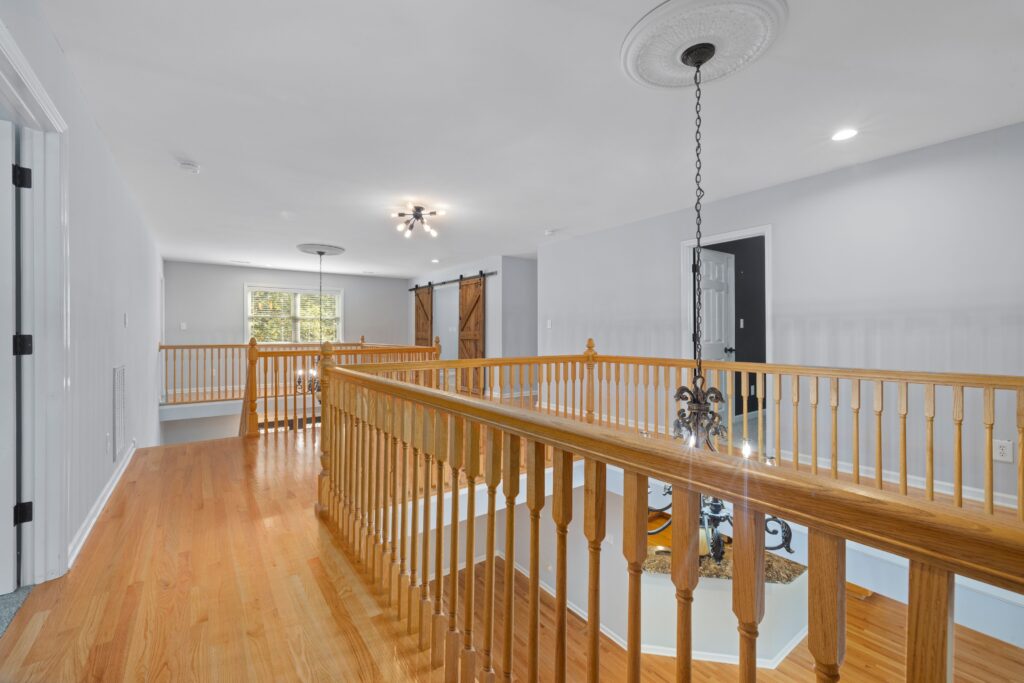
By Sean Kurtz, Founder — Michigan Rose Construction | LARA Licensed Residential Builder #262300264 Adding a second floor can transform how your home looks, feels, and functions. For homeowners in Ann Arbor, Michigan, a second story addition offers an opportunity to create additional bedrooms, a private primary suite, or dedicated living space without expanding the home’s footprint significantly. However, adding another floor involves more than deciding how many rooms you need. The layout must work with your existing home, accommodate stairs and utilities, and provide comfortable spaces for everyday living. Before beginning construction, consider how you want your new floor to function and how it will connect to your existing layout. These planning decisions can help you create an addition that serves your family for years to come. Key Takeaways Plan the upstairs layout around your household’s daily needs and long-term goals. Consider stair placement early because it affects the available space on both floors. Group bedrooms and bathrooms strategically for privacy and convenience. Maximize natural light, storage, and usable floor space. Coordinate architectural design, structural requirements, and local approvals before construction. Ready to create more space in your home? Explore second story addition services in Ann Arbor and discover options for a layout that fits your family’s needs. Click Here Start With Your Family’s Space Requirements The best second story addition begins with a clear understanding of how your family uses the home. A growing family may need two additional bedrooms, while homeowners planning to stay in their property long-term may prioritize a comfortable primary suite. Remote workers might benefit from a dedicated office separated from busy living areas. Before developing a floor plan, identify your priorities: How many additional bedrooms do you need? Would an upstairs bathroom make daily routines easier? Do you need a dedicated office or guest room? Is extra closet or linen storage important? Could your household’s needs change in the coming years? Prioritizing essential rooms helps your designer allocate space efficiently instead of filling the new floor with rooms that may not be useful. Choose a Layout That Fits Your Existing Home Your new floor should feel like a natural extension of the existing house rather than a disconnected addition. Bedroom-Focused Layout If your family needs more sleeping space, consider placing multiple bedrooms around a shared hallway with convenient bathroom access. This arrangement can help keep private areas separate from the main living spaces downstairs. Primary Suite Layout A second floor can accommodate a larger bedroom, walk-in closet, and private bathroom. Consider how doors, windows, storage, and furniture placement will affect comfort and circulation. Flexible Living Space If your needs are less predictable, a spare room could serve as a home office today and a guest bedroom later. Designing for flexibility can help the addition remain useful as your household changes. The final layout should reflect your home’s dimensions, structural requirements, and available budget. Plan Stair Placement Early Stair placement is one of the most important decisions in a second story addition because the staircase connects both floors and occupies valuable interior space. A poorly positioned staircase can disrupt the existing ground-floor layout or create awkward circulation upstairs. When evaluating staircase locations, consider how people will move between floors, whether the stairs interfere with existing rooms, and how much usable space remains around the landing. The staircase should also be designed with appropriate dimensions, headroom, handrails, and safety requirements. Discuss several placement options with your designer before finalizing the floor plan. Moving stairs later can affect framing, room dimensions, and project costs. Design Bedrooms for Privacy and Comfort An upstairs bedroom should provide enough space for furniture, storage, and comfortable movement. Consider the location of bedroom doors relative to the hallway and bathroom. Families with young children may prefer bedrooms near one another, while homeowners creating a guest suite may want greater separation from the primary bedroom. Window placement also matters. Natural light can make bedrooms feel more inviting, while thoughtful window positioning can improve privacy from neighboring properties. Built-in closets and carefully planned storage can help reduce clutter without taking up unnecessary floor space. Start Planning Your Home Expansion Make room for your family’s next chapter without leaving the neighborhood you love. Contact Michigan Rose Construction to discuss your second story addition project. Click Here Make Bathrooms Convenient and Functional Adding a bathroom upstairs can make the new floor more practical, especially when several bedrooms share the same level. A shared bathroom may be sufficient for a family-focused layout, while a private bathroom can make a primary suite feel more independent. Consider the following during planning: Convenient access from bedrooms. Adequate space for the shower, toilet, vanity, and door clearance. Ventilation and moisture management. Plumbing routes and connections to existing systems. Storage for towels, toiletries, and cleaning supplies. Bathroom placement can affect plumbing complexity and construction costs. Have your contractor and design professionals evaluate practical locations before finalizing the plan. Maximize Natural Light and Storage A new floor should feel bright and comfortable rather than cramped. Windows can improve daylight and create a more open atmosphere. Their size and placement should account for privacy, exterior appearance, and applicable building requirements. Storage deserves equal attention. Closets, linen cabinets, and built-in shelving can help make better use of available space, particularly in hallways and bedrooms. For sloped ceilings or roofline transitions, carefully planned storage may make otherwise awkward areas more useful. The goal is to make every part of the new floor functional without overcrowding the layout. Match the New Floor to Your Home’s Exterior A second story addition changes the home’s overall appearance, so exterior design should be considered alongside the interior floor plan. Rooflines, siding, windows, trim, and exterior proportions should complement the existing structure. A design that ignores these details may make the addition look disconnected from the original house. For ranch homes and bungalows in Ann Arbor, the appropriate approach depends on the existing architecture and the amount
How to Plan a Whole-Home Remodel in Michigan
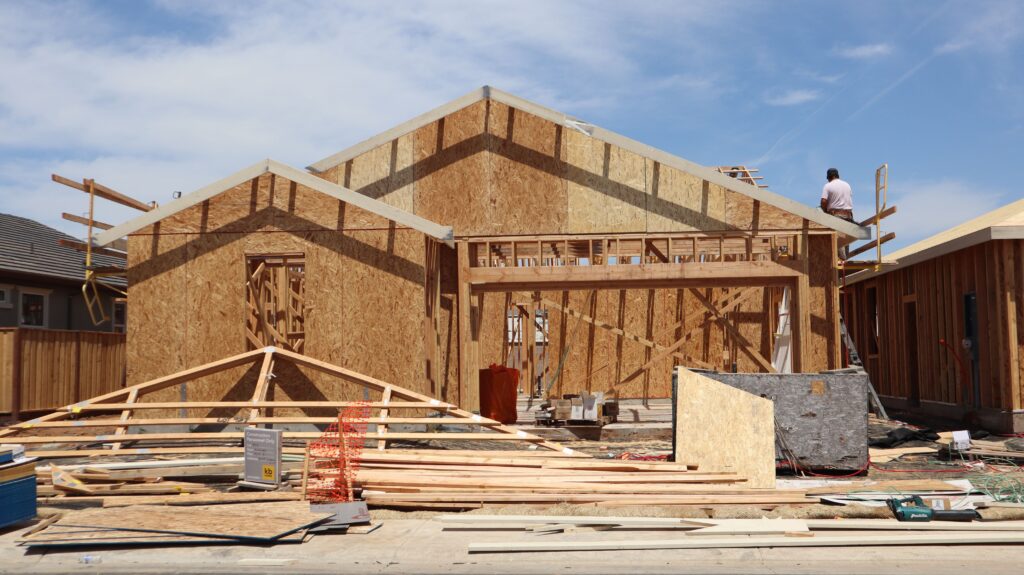
By Sean Kurtz, Founder — Michigan Rose Construction | LARA Licensed Residential Builder #262300264 A whole-home remodel is a major investment, but it can also completely change how you experience your home. Instead of renovating one room at a time, homeowners can address multiple spaces, improve the layout, update aging systems, and create a consistent design throughout the property. For Michigan homeowners considering a major renovation, careful planning is especially important. Older homes may have outdated electrical systems, plumbing, inefficient layouts, or structural limitations that need to be addressed before cosmetic improvements begin. If you’re considering a whole-home remodel in Michigan, here are the key steps to take before construction starts. Key Takeaways Start with your goals: Determine what you want your whole-home remodel to accomplish before choosing materials or finishes. Evaluate the entire home: Consider rooms, layout, electrical, plumbing, HVAC, structural elements, and other systems that may need attention. Prioritize functionality: Address safety, structural, and functional issues before focusing on cosmetic upgrades. Plan your budget carefully: Account for construction, materials, labor, permits, and potential changes to the project scope. Create a cohesive design: Coordinate flooring, cabinetry, lighting, colors, fixtures, and finishes so the remodeled home feels connected. Understand permit requirements: Structural, electrical, plumbing, and mechanical work may require permits depending on your Michigan municipality. Plan for construction disruption: Decide whether your family can comfortably remain in the home during renovation. Choose an experienced contractor: Look for proven remodeling experience, clear communication, detailed proposals, and strong project management. Think long-term: Design the home around your family’s current needs while considering how those needs may change over time. Plan before construction starts: A well-developed whole-home remodeling plan can help reduce surprises, improve coordination, and create a more functional finished home. Start With Your Goals Before choosing flooring, cabinets, paint colors, or fixtures, determine what you want the remodel to accomplish. Ask yourself: Does the current layout work for your family? Which rooms feel outdated? Do you need more functional living space? Would an open-concept layout improve the home? Are there electrical, plumbing, or structural concerns? Do you plan to stay in the home for many years? Starting with your goals helps you build a remodeling plan around how you actually use your home instead of simply updating its appearance. Decide Which Areas Need Attention A whole-home renovation does not necessarily mean every surface needs to be replaced. Some homeowners may need a complete interior transformation, while others may primarily need several connected areas updated. Common areas to consider include: Kitchens Bathrooms Living and dining areas Bedrooms Hallways and entryways Flooring Basements You should also consider what’s behind the walls. Electrical wiring, plumbing, HVAC, insulation, and structural components can affect the design and long-term performance of your remodeled home. Addressing these elements as part of one coordinated project can prevent the need to reopen finished areas later. Think About the Layout Before the Finishes One of the biggest advantages of whole-home remodeling is the opportunity to rethink how your home functions. For example, you may want to remove a wall between the kitchen and living room, create better connections between rooms, improve storage, or relocate doors and fixtures. However, some walls may be load-bearing, and moving plumbing or electrical systems can significantly affect the project. That’s why layout decisions should be made before selecting final finishes. A professional remodeling contractor can help determine what changes are practical and what structural or system considerations need to be addressed. Planning a major renovation? Request a free consultation with Michigan Rose Construction to discuss your home’s needs and potential project scope. Click Here Establish a Realistic Remodeling Budget Your budget should reflect the entire project—not just the visible finishes. Consider costs associated with: Demolition Structural modifications Electrical work Plumbing HVAC Cabinets Countertops Flooring Tile Lighting Fixtures Painting Permits and inspections Labor and project management It’s also important to understand that changing the scope after construction begins can affect both cost and schedule. A detailed proposal can help you understand exactly what is included before work starts and reduce surprises during construction. Create a Priority List Not every remodeling decision has the same level of importance. Separate your plans into three categories: Must-Haves These are improvements that address safety, structural problems, functionality, or major system issues. High-Priority Improvements These might include a kitchen renovation, bathroom upgrades, new flooring, improved lighting, or additional storage. Nice-to-Have Features These are upgrades that improve the look or comfort of the home but may not be essential to the project. Having priorities makes it easier to make decisions if your scope or budget needs to change. Plan the Design as One Home One common problem with renovating rooms separately is that the finished spaces may not feel connected. With a whole-home remodel, you can establish a design direction before construction begins. Think about: Flooring transitions Cabinet styles Interior doors Trim Hardware Lighting Paint colors Tile Countertops Fixtures The goal isn’t for every room to look exactly the same. Instead, the materials and design choices should complement one another so the finished home feels intentional. Understand Permits and Construction Requirements Major remodeling projects may involve structural, electrical, plumbing, or mechanical work that requires permits and inspections. Permit requirements can vary depending on the work and the local municipality, so homeowners should discuss these requirements with their remodeling contractor before construction begins. A qualified contractor can also help coordinate the necessary inspections and ensure that work is completed according to applicable building requirements. Decide Where Your Family Will Stay Living through a whole-home renovation can be challenging. Before construction begins, consider: Whether your kitchen will be available How many bathrooms remain usable Noise and construction dust Children and pets Work-from-home requirements Temporary storage Construction access Whether temporary housing is necessary If several essential areas are being renovated simultaneously, staying somewhere else for part of the project may make the process significantly easier for your family. Choose a Contractor
Second Story Additions in Ann Arbor, MI: Is Building Up Right for Your Home?
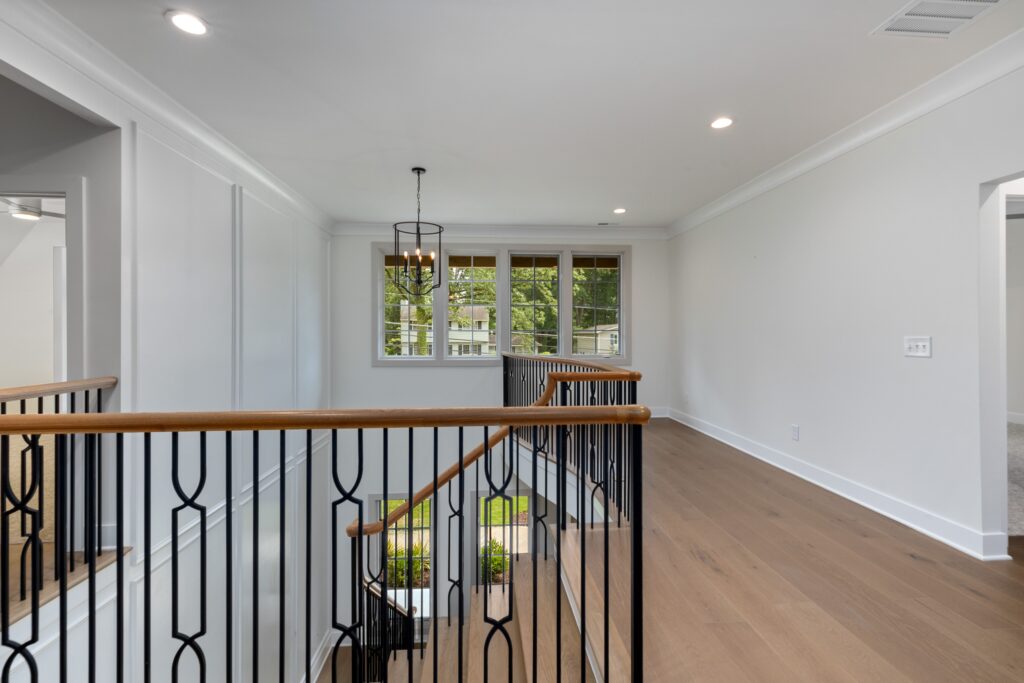
By Sean Kurtz, Founder — Michigan Rose Construction | LARA Licensed Residential Builder #262300264 When your Ann Arbor home no longer has enough space, you may be considering an addition. But if your property has a small yard, tight setbacks, or limited room to build outward, expanding horizontally may not be the best option. A second story addition can give your family the extra space you need while preserving the footprint of your existing home. Michigan Rose Construction provides second story addition and home remodeling services throughout Ann Arbor and Eastern Michigan. Whether you want additional bedrooms, a primary suite, or a dedicated home office, building upward can transform a single-story home without taking away valuable yard space. Key Takeaways A second story addition can add valuable living space without sacrificing your yard. Building upward can be a practical option for Ann Arbor ranch homes, bungalows, and properties with limited space. Your home’s foundation, framing, and structural condition should be evaluated before construction. Second story additions can create bedrooms, primary suites, bathrooms, home offices, and guest spaces. Project costs depend on size, structural requirements, engineering, permits, utilities, and finishes. Michigan’s snow, wind, and freeze-thaw conditions should be considered during planning and construction. A professional contractor can help determine whether your home is a good candidate for a second story addition. Ready to Create More Space Without Giving Up Your Yard? Schedule a free, no-obligation consultation with Michigan Rose Construction to discuss your second story addition in Ann Arbor. Click Here What Is a Second Story Addition? A second story addition involves constructing a new level above an existing single-story portion of your home. Depending on the home’s structure and your goals, the addition can cover the entire house or only part of it. Homeowners may use a new second floor for: Additional bedrooms A primary bedroom suite New bathrooms A home office Guest accommodations Additional storage or living space Second story additions are particularly common for ranch-style homes and some bungalows. Instead of purchasing a larger property, homeowners can increase their usable living space while remaining in a neighborhood they already enjoy. Is Building Up Better Than Building Out? Building up isn’t automatically the right choice for every home, but it can be a practical solution when your property has limited room for a ground-level addition. A ground-level addition requires additional foundation work and takes up part of your yard. Depending on the property, zoning requirements and setbacks can also limit where a new addition can be placed. A second story addition uses the home’s existing footprint. This can help preserve your backyard, driveway, landscaping, and other outdoor areas. However, building upward requires a detailed evaluation of the existing structure. Your foundation, framing, and other structural components need to be capable of supporting the additional load, or reinforcement may be necessary. What Can You Add to a Second Floor? One of the biggest advantages of a second story addition is the flexibility it provides. Add Bedrooms for a Growing Family If your family has outgrown your current bedrooms, a second floor can provide the additional rooms you need without requiring a larger property. Build a Home Office A dedicated upstairs office can provide separation from the main living areas and create a quieter space for working from home. Add a Guest Suite A second-floor guest bedroom and bathroom can give visiting family and friends their own comfortable space. Not Sure What Your Second Story Addition Would Cost? Let Michigan Rose Construction evaluate your home and provide a project-specific estimate based on your space, structure, and goals. Click Here Can Your Ann Arbor Home Support a Second Story? Before construction begins, the existing home needs to be evaluated carefully. Adding another floor changes the structural demands on the house. Important considerations can include: Existing foundation condition Footings and foundation walls Structural framing Roof structure Load-bearing walls Plumbing and electrical systems HVAC requirements Local building requirements Older homes may require additional evaluation or reinforcement before construction can begin. Michigan’s climate also makes structural planning particularly important because buildings must account for snow, wind, and seasonal freeze-thaw conditions. A professional contractor can evaluate the existing structure and determine what work may be necessary before adding another level. What Does a Second Story Addition Cost in Ann Arbor? The cost of a second story addition depends heavily on the size and complexity of the project. Michigan Rose Construction currently lists second story additions starting at $150,000+, with many projects falling between approximately $175,000 and $350,000+. Several factors can affect the final cost, including: Size of the new second floor Existing foundation condition Structural reinforcement Engineering requirements Permits Roof modifications Number of bathrooms Plumbing and electrical work Windows and exterior materials Interior finishes Rather than relying on a generic online estimate, an on-site consultation can provide a more realistic understanding of what your particular home and project will require. What Is the Process for Adding a Second Story? A second story addition requires more planning than a typical interior remodeling project. The process generally begins with an on-site consultation to understand your goals, available space, and existing home. The structure can then be evaluated to determine whether reinforcement or other preparation is needed. From there, the project may involve design and engineering, permit applications, structural work, roof removal or modification, framing, exterior construction, utilities, and interior finishing. Once the new level is framed, the project can move into the finishing stages, including insulation, drywall, flooring, electrical fixtures, plumbing fixtures, trim, and paint. Because a second story involves major structural changes, homeowners should also prepare for significant construction activity and potential disruption to the home during certain stages of the project. How Long Does a Second Story Addition Take? Every project has a different timeline. Engineering, permits, project size, structural conditions, weather, material availability, and interior finishes can all affect the schedule. Michigan Rose Construction notes that second story projects can take several
Whole-Home Remodeling in Michigan: What to Expect Before You Start
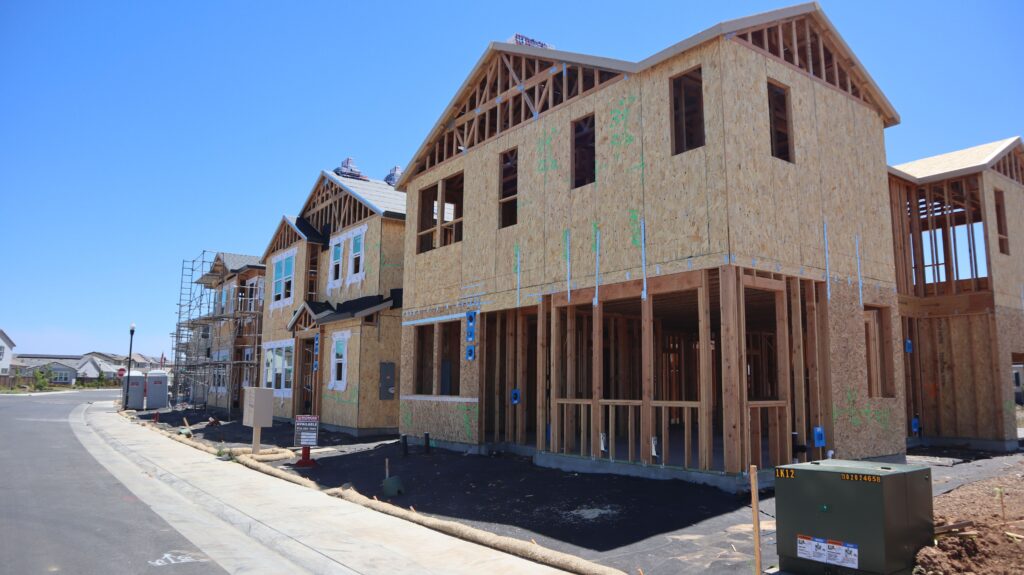
By Sean Kurtz, Founder — Michigan Rose Construction | LARA Licensed Residential Builder #262300264 Planning a major renovation can feel overwhelming, especially when your kitchen, bathrooms, flooring, layout, and other parts of your home all need attention. Instead of completing separate projects over several years, many Michigan homeowners consider a whole-home remodel to coordinate everything under one renovation plan. Whole-home remodeling involves more than updating the appearance of a house. It can include structural modifications, electrical and plumbing updates, new flooring, kitchen and bathroom renovations, and coordinated interior finishes. Understanding what the process involves can help you determine whether a comprehensive renovation is right for your home. Key Takeaways Whole-home remodeling combines multiple renovation projects into one coordinated plan. Projects can include kitchens, bathrooms, living areas, bedrooms, flooring, electrical, plumbing, and structural modifications. Planning the work together can help coordinate different trades and create a consistent finished design. Michigan Rose Construction’s whole-home projects start at $100,000, with comprehensive renovations commonly ranging from $125,000 to $250,000+ depending on scope and complexity. Major renovations require careful planning, permits, trade coordination, and a detailed project scope. Michigan Rose Construction serves homeowners throughout Eastern Michigan. Ready to Plan Your Whole-Home Remodel? Request a Free On-Site Consultation to discuss your renovation plans and determine what your project may involve. Click Here What Is Whole-Home Remodeling? A whole-home remodel addresses several areas of a house as one coordinated project rather than treating every room as an independent renovation. For example, a homeowner may want to remove a wall between the kitchen and living room, renovate the kitchen, update multiple bathrooms, replace flooring throughout the house, and upgrade electrical or plumbing systems. Completing these improvements together allows the project to be planned around the new layout and overall design. A comprehensive renovation may include: Kitchen remodeling Bathroom remodeling Living and bedroom renovations Floor plan changes Wall removal or structural modifications Electrical and plumbing updates New flooring Cabinets, countertops, tile, lighting, and fixtures Permit coordination and inspections Michigan Rose Construction describes its whole-home remodeling projects as coordinated renovations where structural work, systems, and finishes are planned together. When Should You Consider a Whole-Home Remodel? A whole-home renovation may make sense when several areas of your home require significant updates at the same time. You may be a candidate for a comprehensive remodel if your home has an outdated floor plan, multiple rooms that need renovation, aging electrical or plumbing systems, or finishes that no longer match the way you want your home to look and function. It can also make sense when structural changes are necessary. Moving walls, changing room layouts, or rerouting plumbing and electrical systems can affect multiple areas of the house. Planning those changes as one project can help avoid repeatedly opening finished areas later. What Does a Whole-Home Remodel Include? Every renovation has a different scope, but major interior remodeling commonly combines several types of work. Kitchen and Bathroom Remodeling Kitchens and bathrooms often require coordination between cabinetry, plumbing, electrical work, flooring, tile, lighting, and fixtures. When these spaces are renovated as part of a larger project, their finishes can be selected to complement the rest of the home. Structural and Layout Changes Some homeowners want more than new finishes. A whole-home remodel can include removing or adding walls, modifying load-bearing structures, or reconfiguring the floor plan. Structural work should be planned carefully because it can affect electrical, plumbing, HVAC, flooring, and other parts of the home. Flooring and Interior Finishes Replacing flooring throughout several rooms can create a more consistent appearance. Depending on the design, homeowners may choose hardwood, luxury vinyl plank, tile, or other flooring materials. Paint, doors, trim, lighting, hardware, and fixtures can also be coordinated throughout the renovation. How Much Does Whole-Home Remodeling Cost in Michigan? The cost of a whole-home renovation depends on the size and condition of the home, number of rooms, materials, structural modifications, and systems being updated. Michigan Rose Construction currently lists whole-home and major interior remodeling projects starting at $100,000, with comprehensive multi-room renovations commonly ranging from $125,000 to $250,000+ depending on scope, materials, and structural complexity. A detailed proposal should identify the work included, materials, labor, permits, and other project costs before construction begins. For major renovations, having an itemized scope is particularly important because structural or system changes can significantly affect the overall investment. What Is the Whole-Home Remodeling Process? A major renovation typically requires several stages. How Long Does a Whole-Home Remodel Take? The timeline depends on the size of the renovation, structural complexity, materials, permitting, and other project-specific factors. Michigan Rose states that most whole-home or major multi-room renovations take approximately 3 to 6 months from demolition through final walkthrough, with the specific timeline provided as part of the project proposal. Because these projects can affect much of the home, homeowners should plan ahead and discuss living arrangements, access, kitchens, bathrooms, and other daily necessities before construction begins. Choosing a Whole-Home Remodeling Contractor Choosing the right contractor is an important part of planning a major renovation. Look for a contractor who can coordinate multiple trades, provide a detailed written proposal, manage permits, communicate throughout construction, and explain how changes will be handled. Michigan Rose Construction is a LARA-licensed residential builder, member of the Builders & Remodelers Association of Greater Ann Arbor, and provides a 1-year labor warranty. The company serves communities throughout Eastern Michigan, including Ann Arbor, Saline, Ypsilanti, Canton, Plymouth, Chelsea, Dexter, and surrounding areas. Is Whole-Home Remodeling Right for Your Michigan Home? If several rooms need renovation or your home’s layout and systems no longer fit your needs, a whole-home remodel may provide a way to address those issues through one coordinated project. Instead of planning separate renovations years apart, you can establish the desired layout, materials, systems, and finishes before construction begins. For homeowners considering a major renovation in Eastern Michigan, starting the planning process early can help clarify the project’s scope, expected investment, and
Garage Replacement vs. Remodeling: Which Is Right for Your Michigan Home?
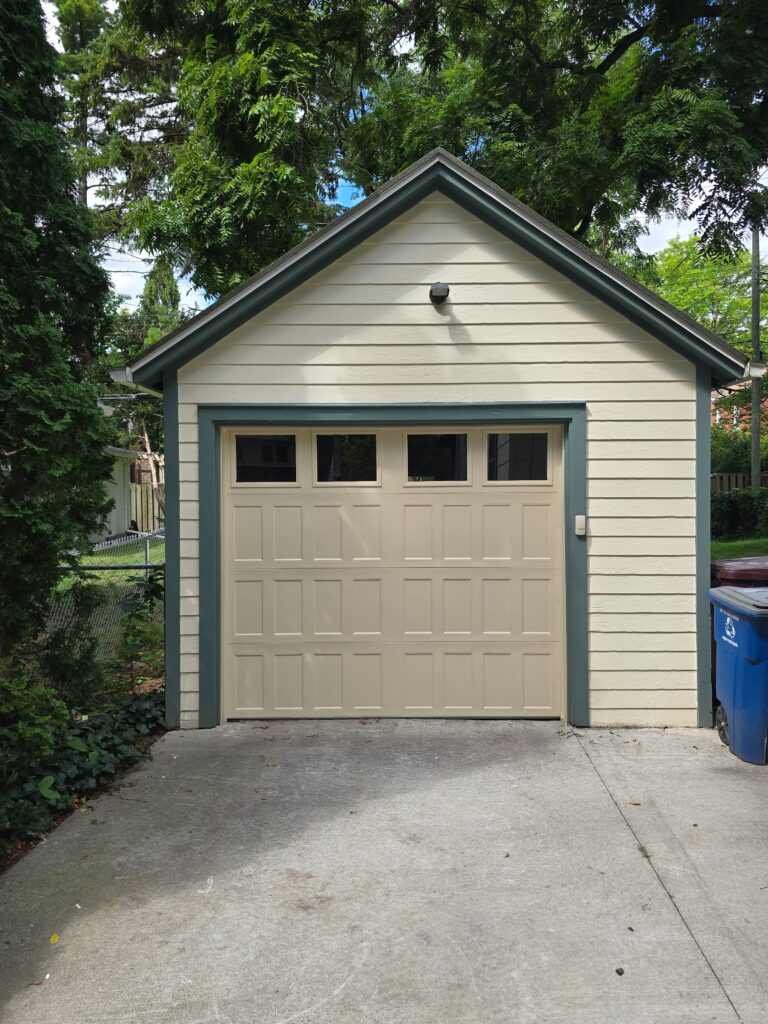
By Sean Kurtz, Founder — Michigan Rose Construction | LARA Licensed Residential Builder #262300264 If your garage is showing its age, has structural problems, or simply no longer meets your family’s needs, you may be wondering whether you should remodel it or replace it completely. For some Michigan homeowners, a garage remodel can provide the improvements they need without rebuilding the entire structure. For others, extensive deterioration, foundation issues, or an outdated layout may make replacement a more practical option. There are also other possibilities. You could build an attached garage addition, expand your existing garage, or convert the space into living space. Understanding the differences between these options can help you determine which type of garage project makes sense for your home. Key Takeaways Garage remodeling may make sense when the existing structure is still sound but needs functional or cosmetic improvements. Garage replacement starts at $75,000–$85,000+ and may be appropriate when the existing structure has significant deterioration or no longer meets your needs. Attached garage additions start at $100,000+ and can provide additional parking, storage, and convenient access to the home. Garage-to-living-space conversions start at $60,000–$75,000+ and can turn underused garage space into a home office, family room, gym, or other usable space. Michigan weather and frost conditions should be considered when evaluating foundations and planning a new garage. The best option depends on the condition of the existing structure, your goals, property limitations, and project scope. A professional evaluation can help determine whether remodeling, replacement, an addition, or conversion is appropriate for your property. Not Sure Which Garage Project Is Right for Your Michigan Home? Choosing between remodeling, replacement, an attached addition, or a garage conversion starts with understanding the condition of your existing structure and what you want the space to accomplish. Click Here Should You Remodel or Replace Your Garage? The first question to ask is whether the existing garage is structurally capable of supporting the improvements you want to make. A garage remodel may be appropriate when the foundation, framing, roof structure, and other major components remain in good condition. In this situation, improvements such as new garage doors, insulation, lighting, storage, flooring, or electrical upgrades may significantly improve the space. Replacement may be worth considering when the garage has extensive structural deterioration or major problems that would require substantial reconstruction. Here are some situations to consider: Garage Situation Potential Solution Cosmetic damage Remodeling Outdated finishes Remodeling Poor storage layout Remodeling Limited functionality Remodeling or expansion Major structural deterioration Replacement Significant foundation problems Replacement or structural repair Garage is too small Replacement or addition Need additional living space Conversion This is only a general guide. A professional evaluation is important before deciding which approach is appropriate. When Garage Remodeling Makes Sense Garage remodeling can be a practical option when the underlying structure remains in good condition. Instead of rebuilding the entire garage, you can focus on improving how the existing space looks and functions. Common garage remodeling improvements include: New garage doors Insulation Drywall Interior painting Improved lighting Additional electrical outlets Flooring Storage systems Workshop improvements Windows For example, a homeowner who already has enough parking space may not need a completely new garage. Improving insulation, lighting, storage, and electrical capacity could make the existing structure much more useful. However, remodeling becomes more complicated when major structural components need to be replaced. If the foundation, framing, roof structure, or other critical components have extensive problems, it may be worth comparing the cost of major repairs with the cost of a new garage. When Garage Replacement May Be the Better Option Garage replacement starts at approximately $75,000–$85,000+. Replacement may be considered when the existing garage has significant deterioration or when the structure no longer meets your needs. Potential reasons for replacement include: Major structural damage Significant foundation problems Extensive water damage Severe deterioration An outdated or inefficient layout Insufficient garage space A need for additional storage or workspace One advantage of replacing the garage is that you are not necessarily limited by the existing layout. A new garage can be designed around how you actually plan to use the space. Depending on the property and project requirements, this could include additional vehicle space, storage, a workshop, larger doors, or a loft. Michigan Rose Construction’s detached garage services include custom configurations designed around the homeowner’s intended use and property. What About Adding an Attached Garage? If your current garage is too small or your property does not have enough detached garage space, an attached garage addition may be another option. An attached garage addition starts at approximately $100,000+. An attached garage can provide convenient access to the home while adding parking and storage space. However, connecting a new structure to an existing house introduces additional construction considerations. These can include: Foundation construction Connecting the new roof to the existing home Structural modifications Exterior siding and trim Electrical work Interior access Drainage Setbacks and zoning Permit requirements The design also needs to work with the existing architecture of the house. Matching the roofline, siding, windows, doors, and other exterior details can help create a cohesive appearance. Could Your Garage Become Living Space? Not every homeowner needs more parking. Sometimes the bigger need is additional usable space inside the home. A garage-to-living-space conversion starts at approximately $60,000–$75,000+. Depending on the property and applicable requirements, a garage could potentially be converted into: Home office Family room Home gym Guest space Studio Bedroom A conversion, however, is more involved than simply finishing the walls. The existing space may need improvements to: Insulation Heating and cooling Electrical systems Flooring Drywall Windows Lighting Plumbing, if required Egress and other code requirements If you are considering converting a garage into a bedroom or another regulated living area, the project must meet the applicable building-code requirements. An evaluation of the existing structure can help determine whether conversion is practical for your property. How Michigan Weather Can Affect Your Garage Decision Michigan’s climate should be part of the planning